"Dulce periculum."
Hi and welcome to my website, I hope you enjoy your visit, I hope to add loads of stuff as I go on. I will be adding loads more in the coming weeks/months/years so keep checking.
At the moment I have a section on the History of Wrexham, Buildings and Places of Wrexham Past and Present, Villages and Places around Wrexham, Broughton Community, The Moss Valley and Gatewen Hall.
Please feel free to email me here with any questions, advice or photos you would like to add.
The above photo of my families bus company called Guy's buses.
At the moment I have a section on the History of Wrexham, Buildings and Places of Wrexham Past and Present, Villages and Places around Wrexham, Broughton Community, The Moss Valley and Gatewen Hall.
Please feel free to email me here with any questions, advice or photos you would like to add.
The above photo of my families bus company called Guy's buses.
Gatewen Hall
History
The earliest known record of Gatewen Hall dates from the year 1678 when the house was occupied by an Edward Jeffreys who remained there until his death and subsequent burial at Wrexham in May 1680. He was of the Jeffreys family of Acton Hall, and was, in fact an uncle of infamous George Jeffreys and Lord Chancellor of England, known to history as the 'hanging judge' after his harsh judgements at the 'Bloody Assizes' following Monmouth's Rebellion.
Another family member through marriage, was Dame Dorothy Jeffreys who is
still remembered to this day for her generousity in founding educational charities in the Wrexham area.
In the days of Edward Jeffreys, Gatewen Hall was not considered to be a large habitation, yet, it was rated for six hearths.
Following his death, the property passed through many hands until in 1810, it was owned by Mr Thomas Hayes, who is credited with enlarging the structure of the house. Thomas Hayes made his money from the slave trade.
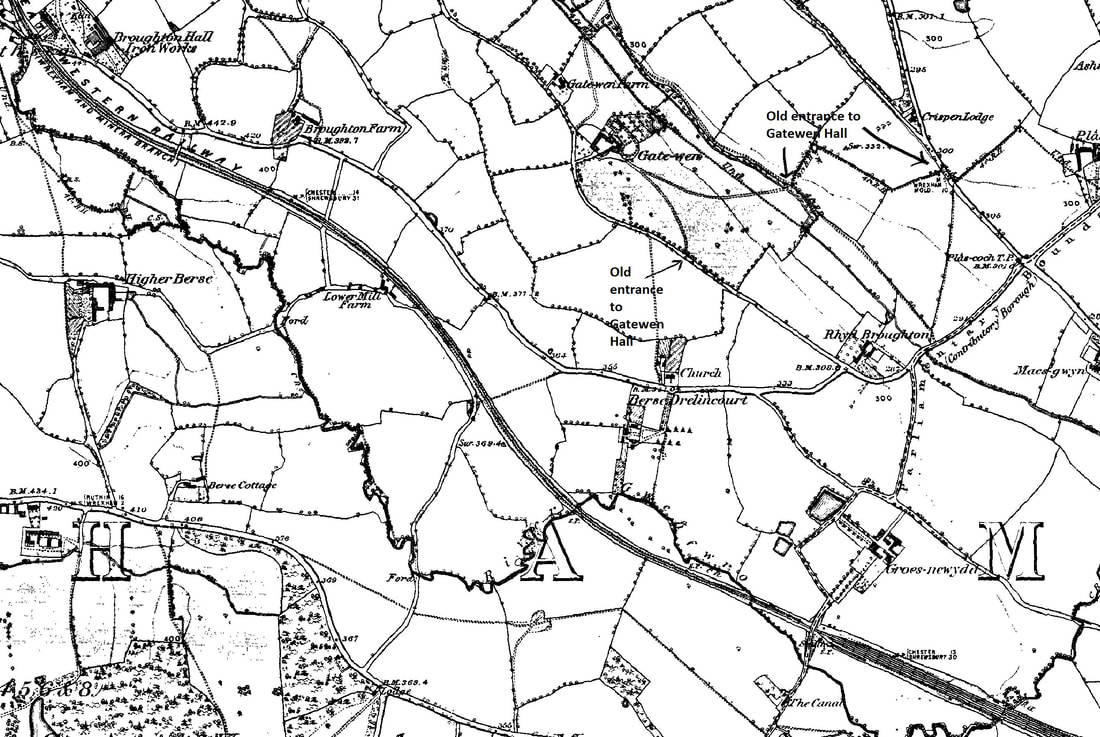
Today's drive to the Gatewen Hall frontage has been in use for over the past century, but it was not the original approach.
In 1844, a tree-lined drive from the house passed down the park for a distance of about a quarter of a mile,and then it branched into two directions, one dropped into the valley, and then rose again up the opposite slope to join the Summerhill road near to Crispin Lodge
which, today,stands on the verge of a large roundabout on the Mold Road junction with the Wrexham By-pass.
The other branch joined the Gatewen Road at a point between two small-holdings where the remains of the original drive entrance can still be seen (see photo). Near to Gatewen Hall is another property, known today as Gatewen Farm, but which,at one time, had the name Plas Newydd (New Hall). In 1798,it was occupied by a Captain Davies, but when he died in April 1807, Edward Hayes purchased the property and added it to the
growing Gatewen Estate.
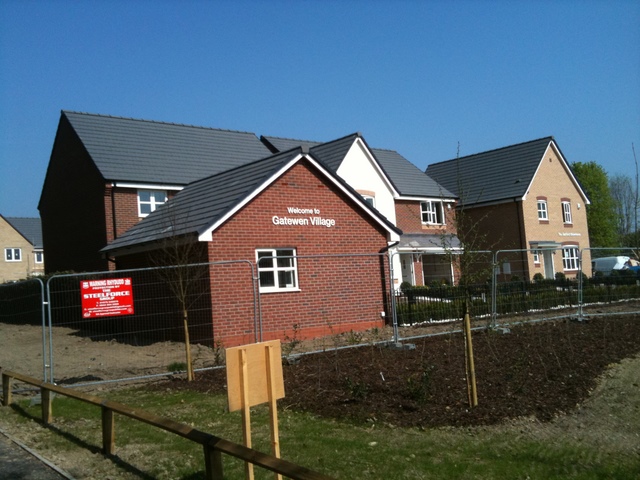
The name Gatewen, roughly translated as Whitegate, is obviously a corrupted word where 'gate' is an English word and 'wen', meaning white, is Welsh. Gatewen Hall today is a private residence. Very close by, there is the new Gatewen Village which has up to 300 houses built on the site of the old Gatewen Colliery.
The original entrance gates and old map of Gatewen Hall.
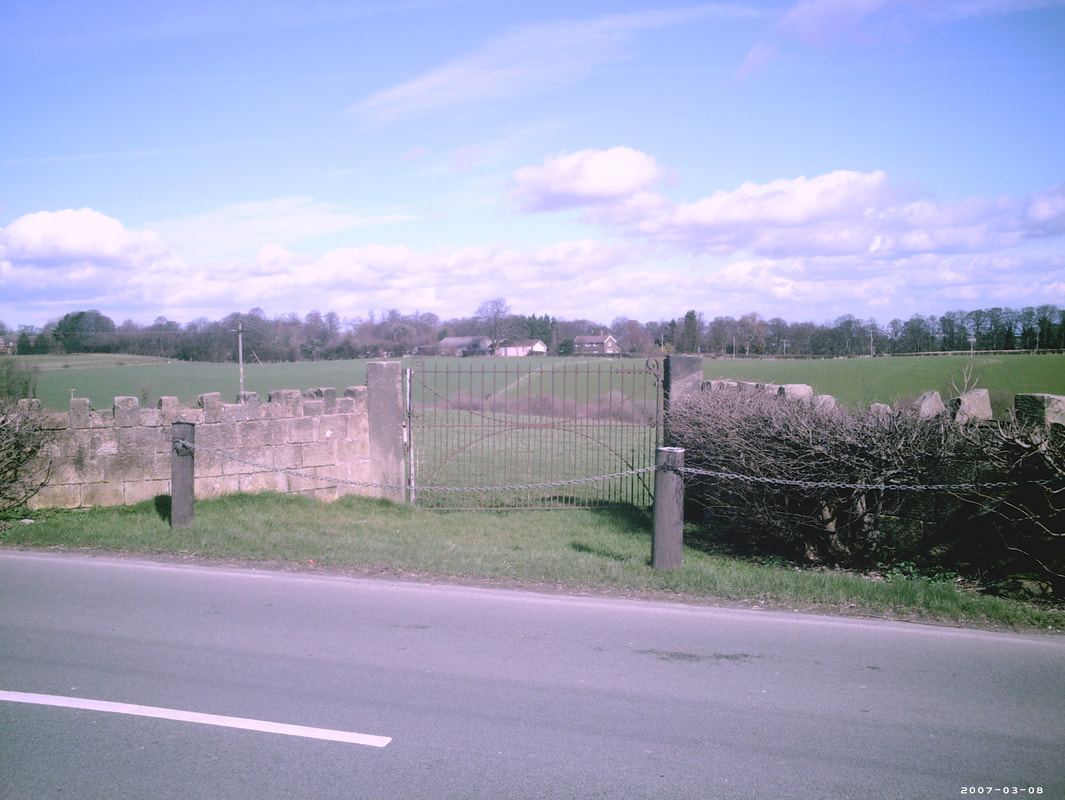
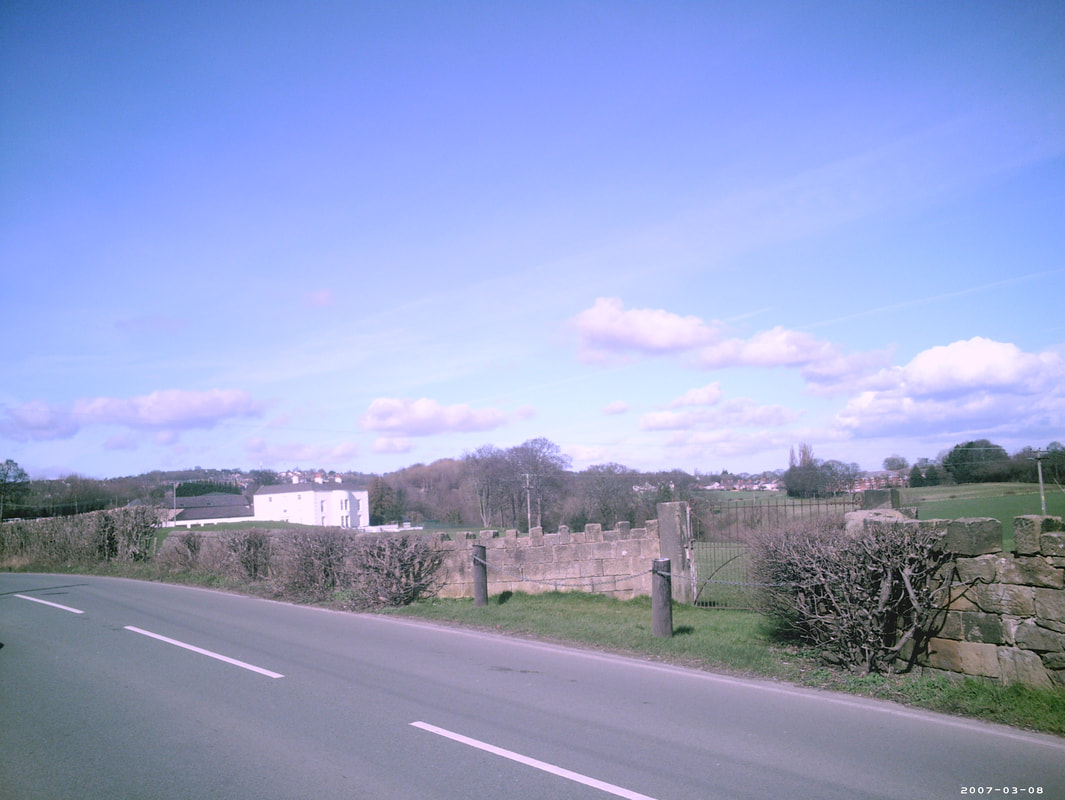
Photos of Gatewen Hall, much thanks to the owners.
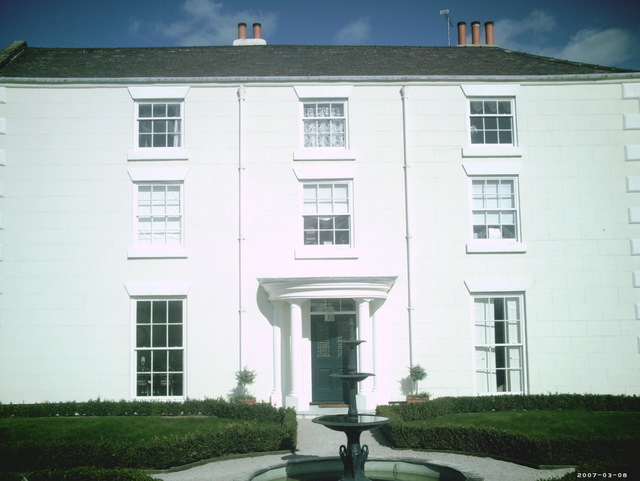
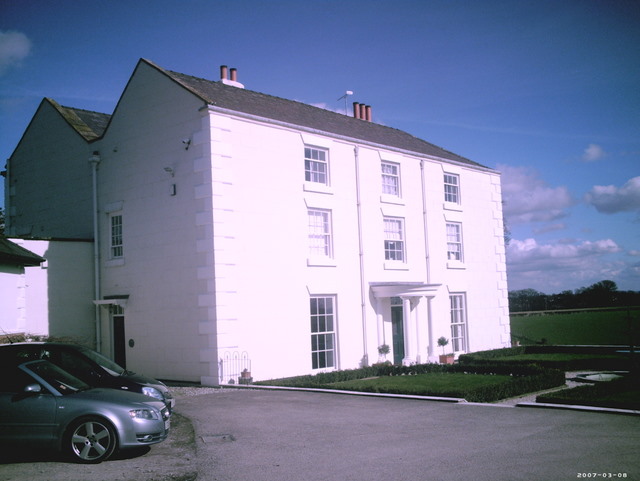
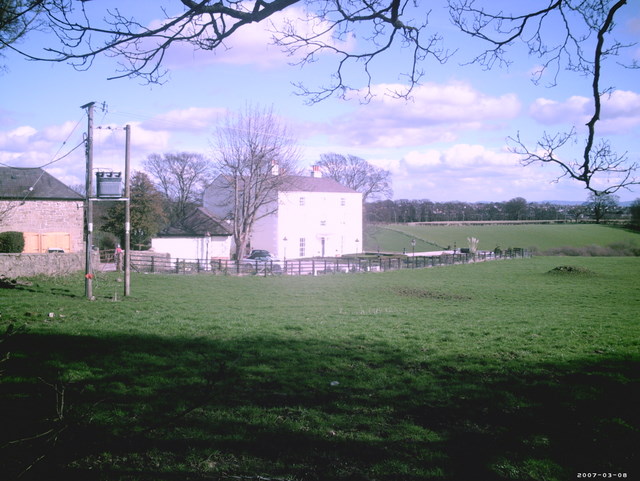
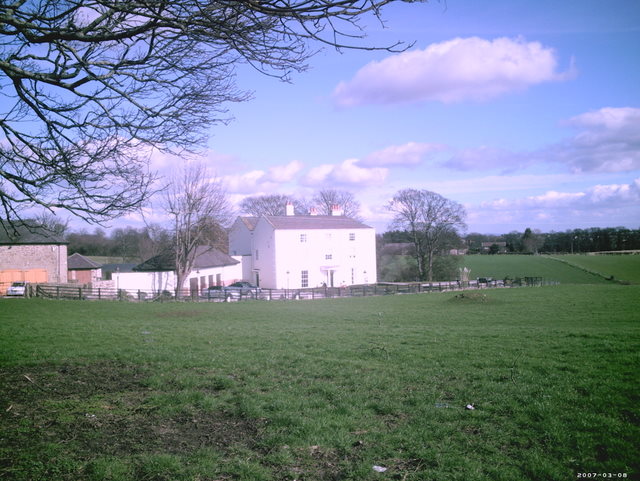
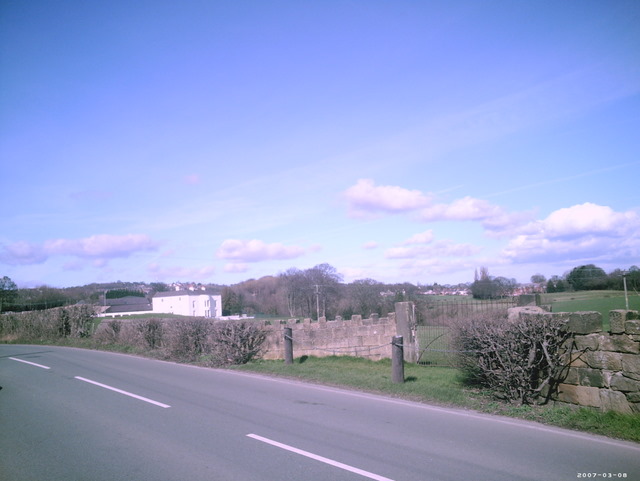
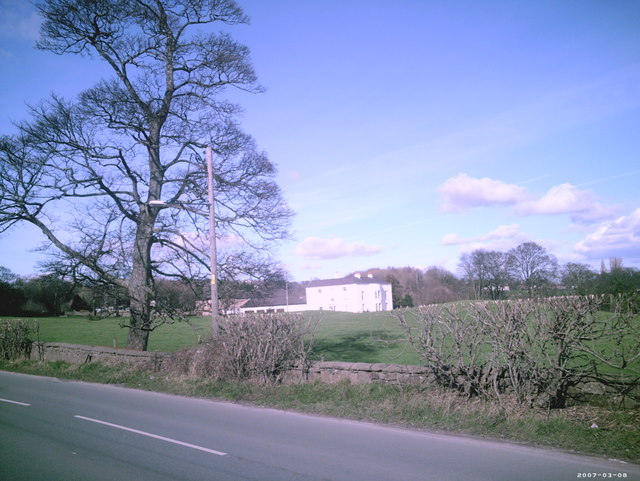
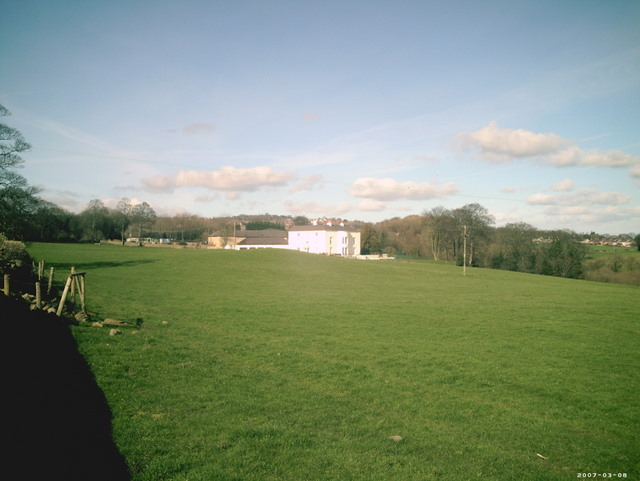
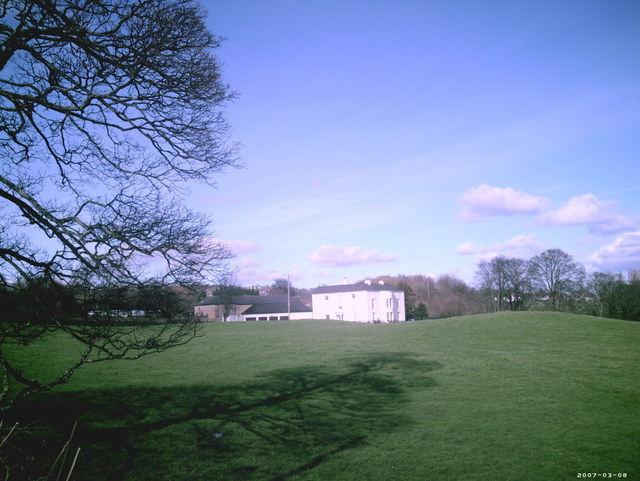
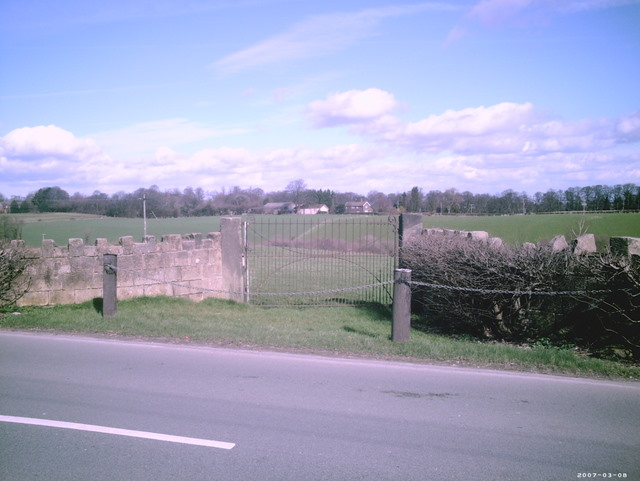
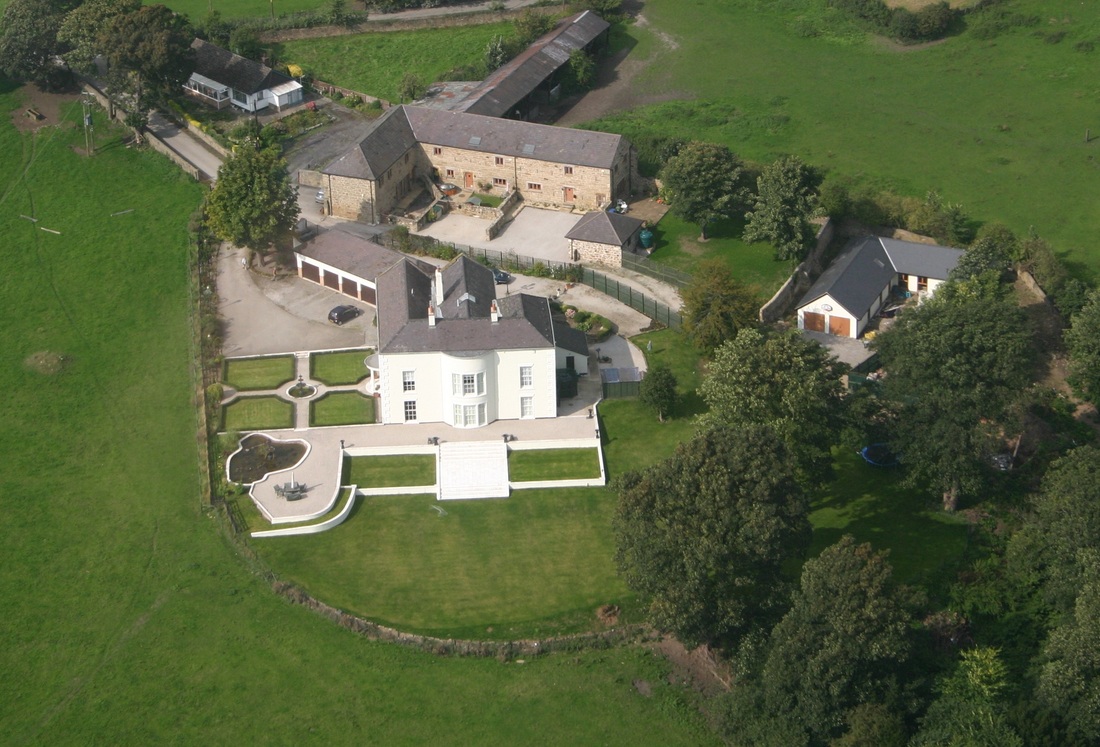
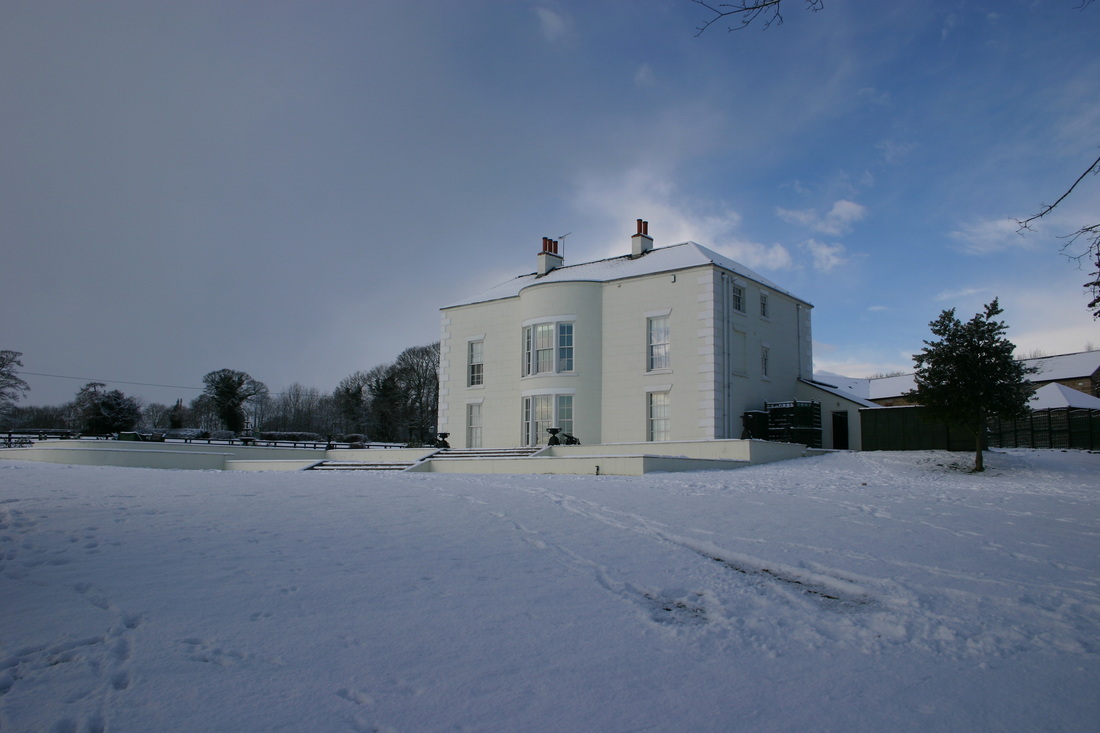
Please visit this fantastic Gatewen Hall website here
Gatewen Village
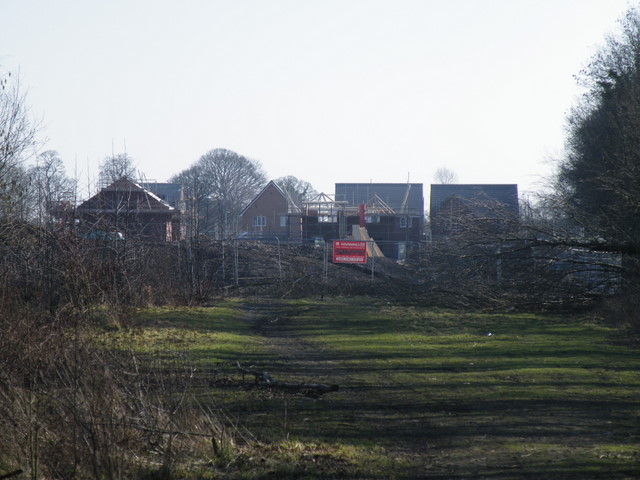
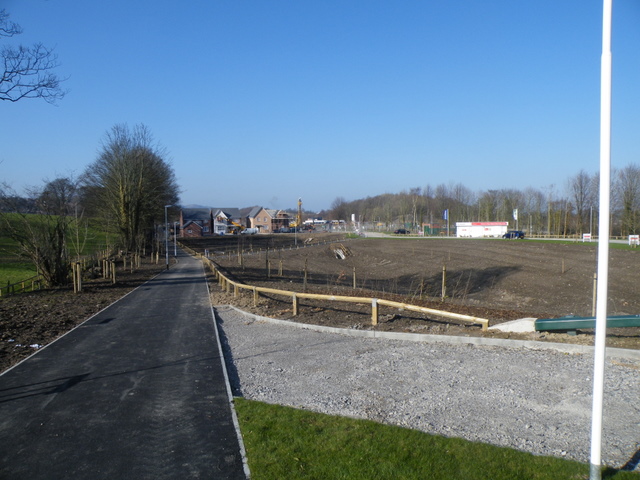
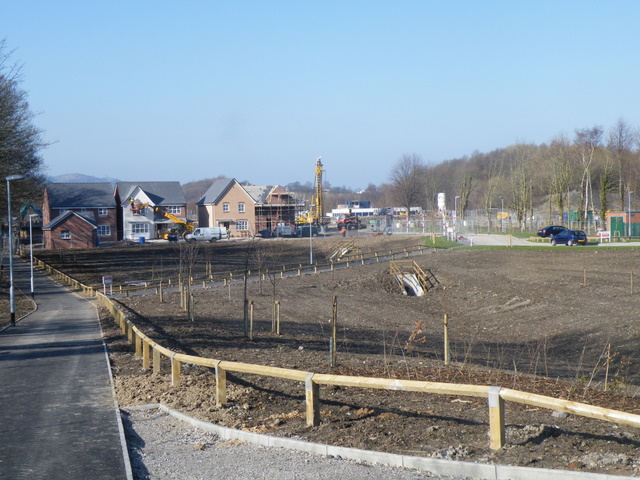
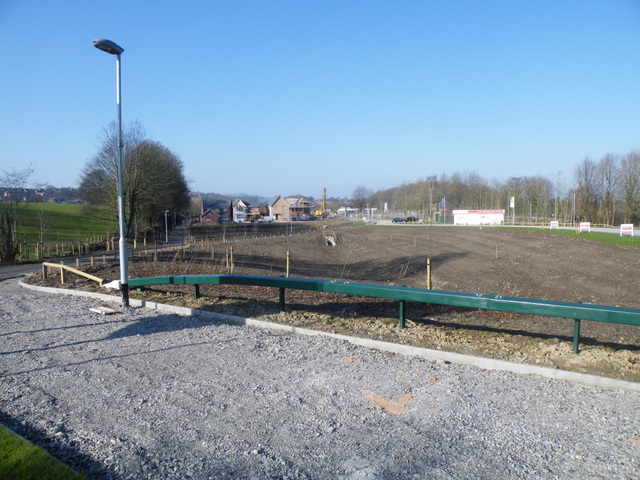
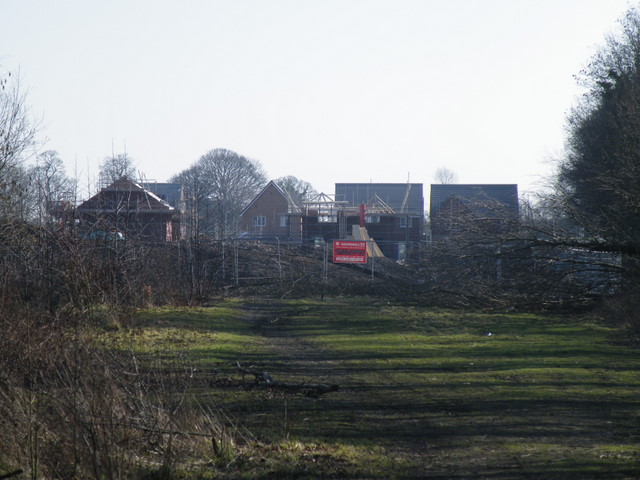
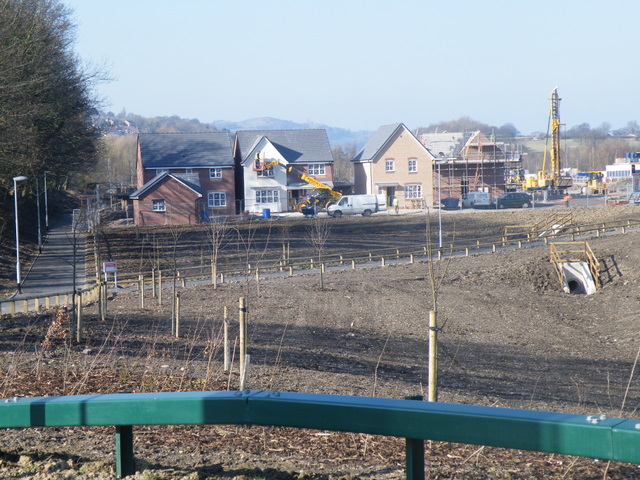
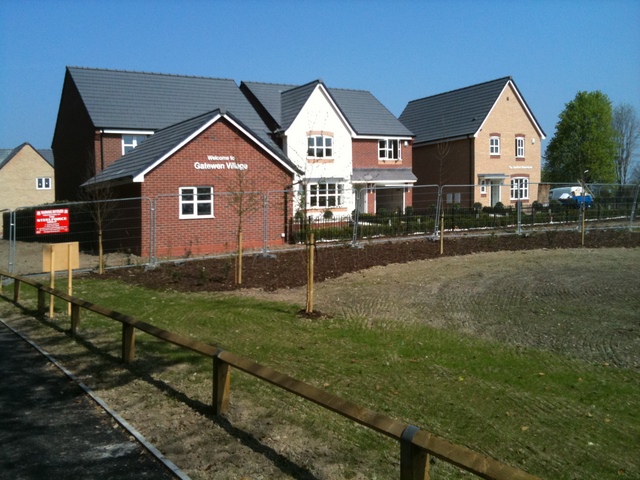
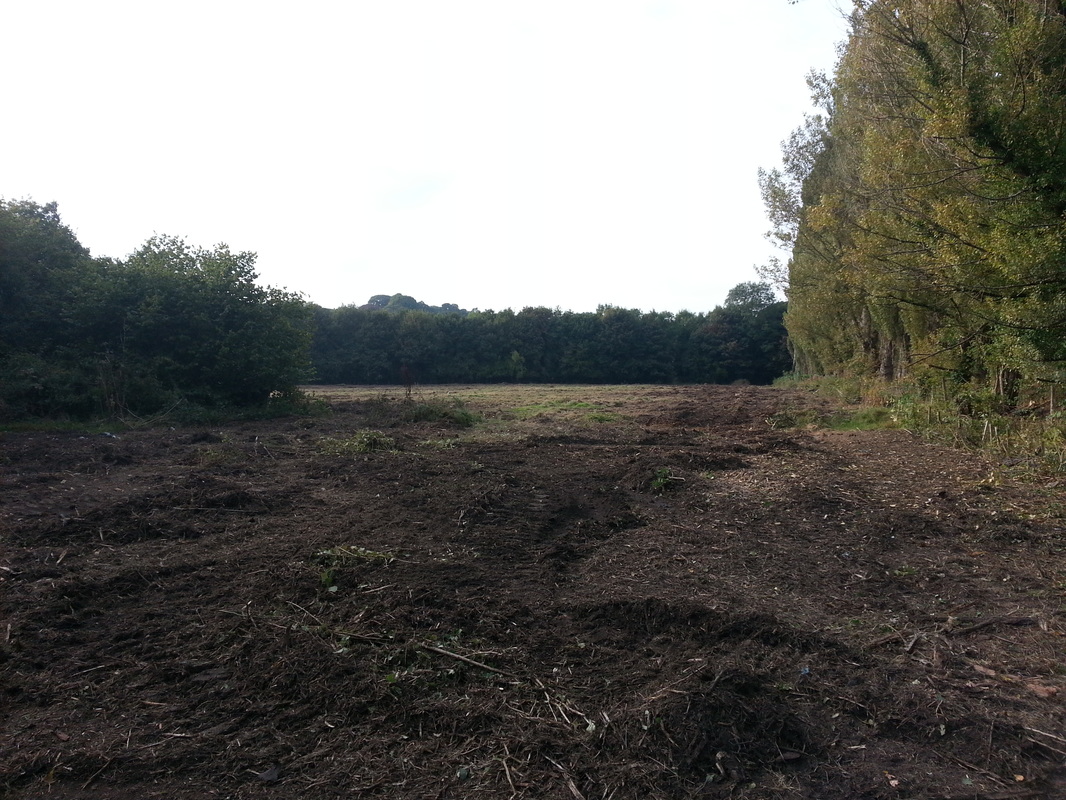
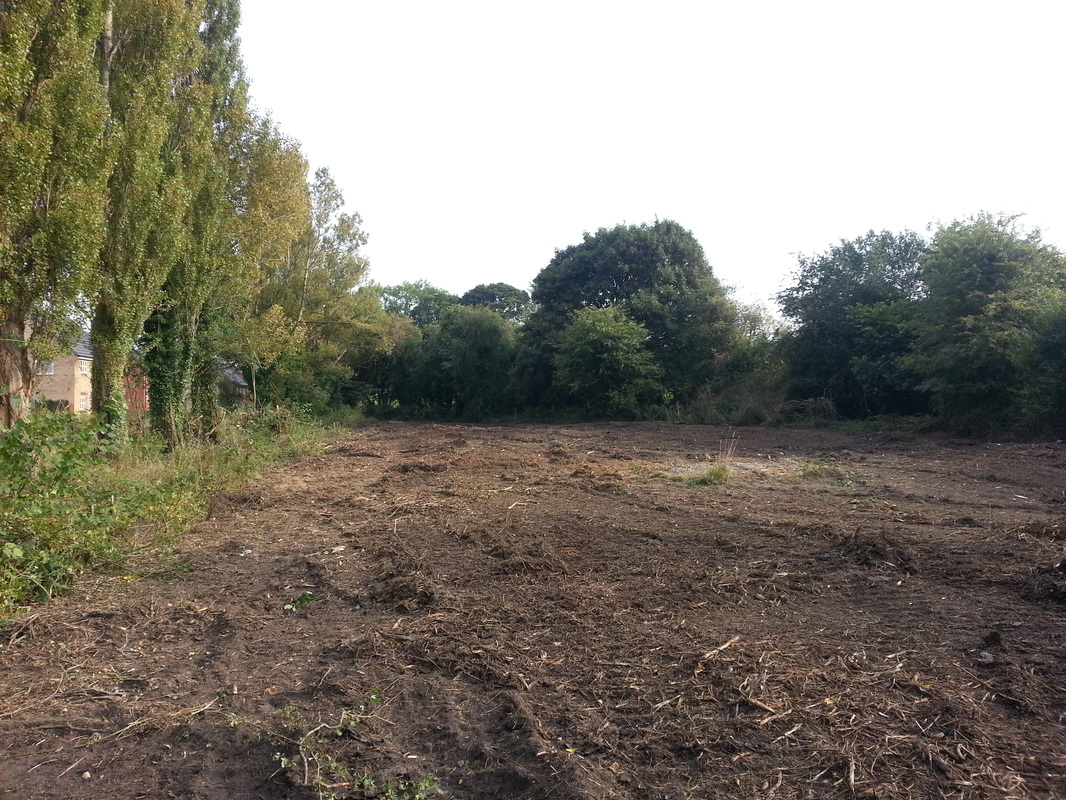
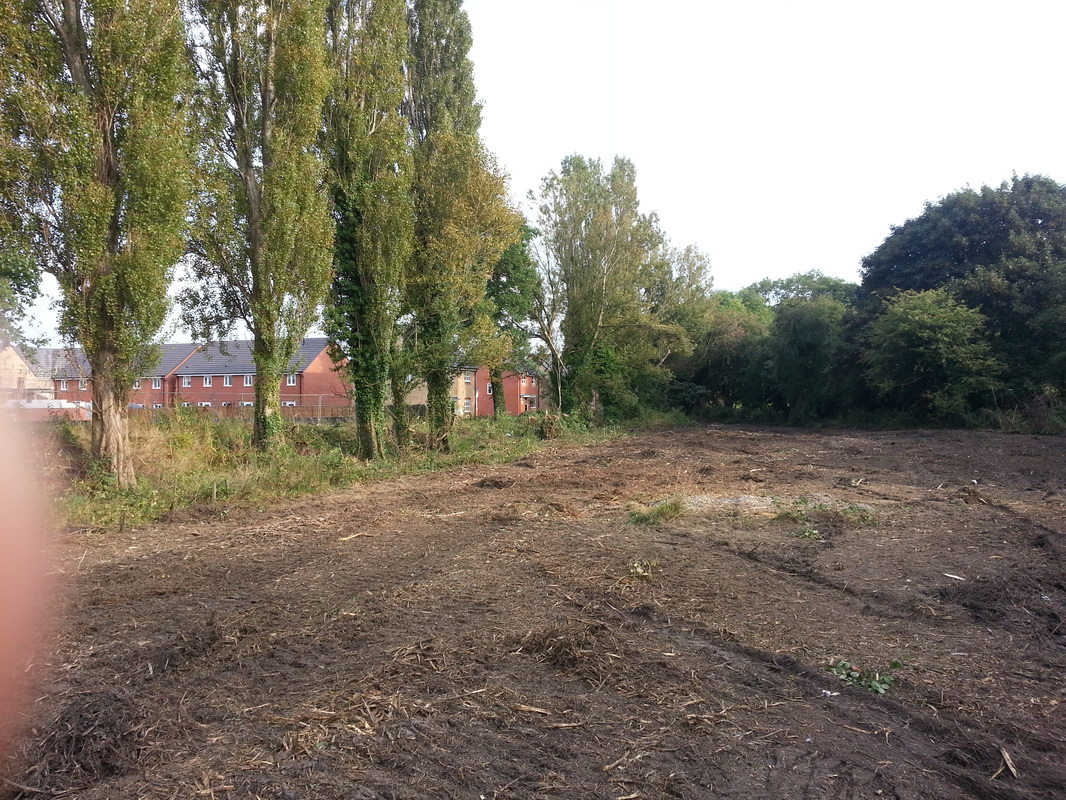
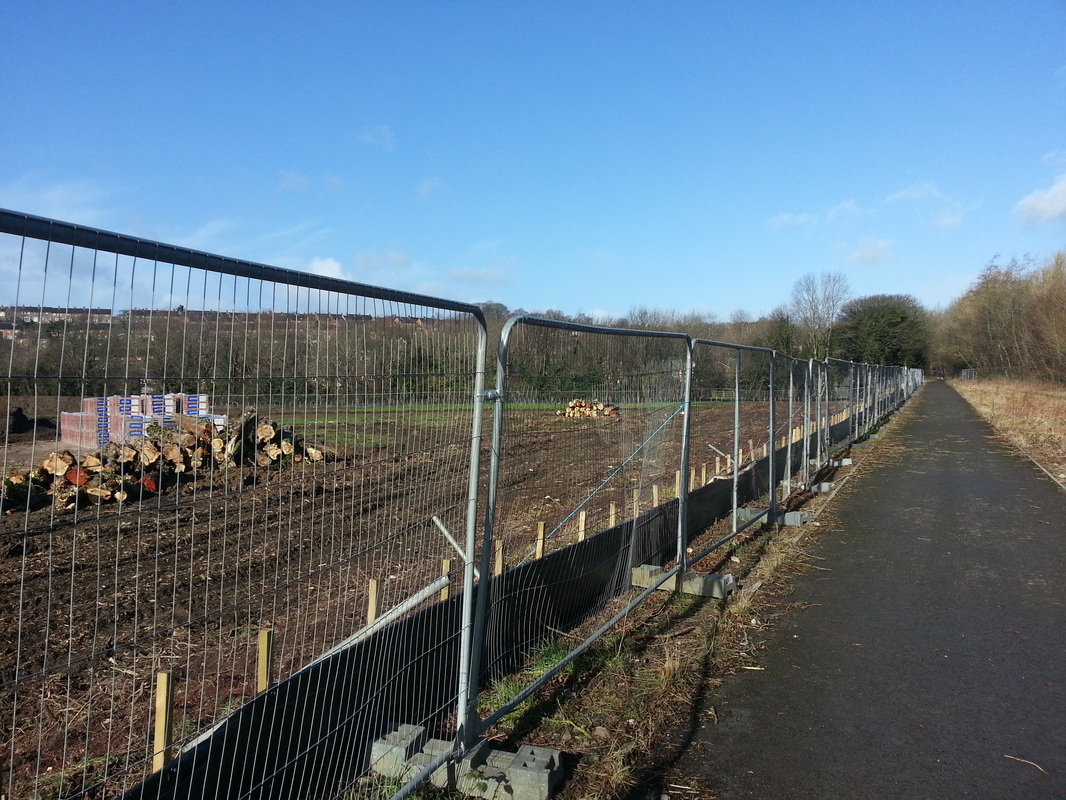
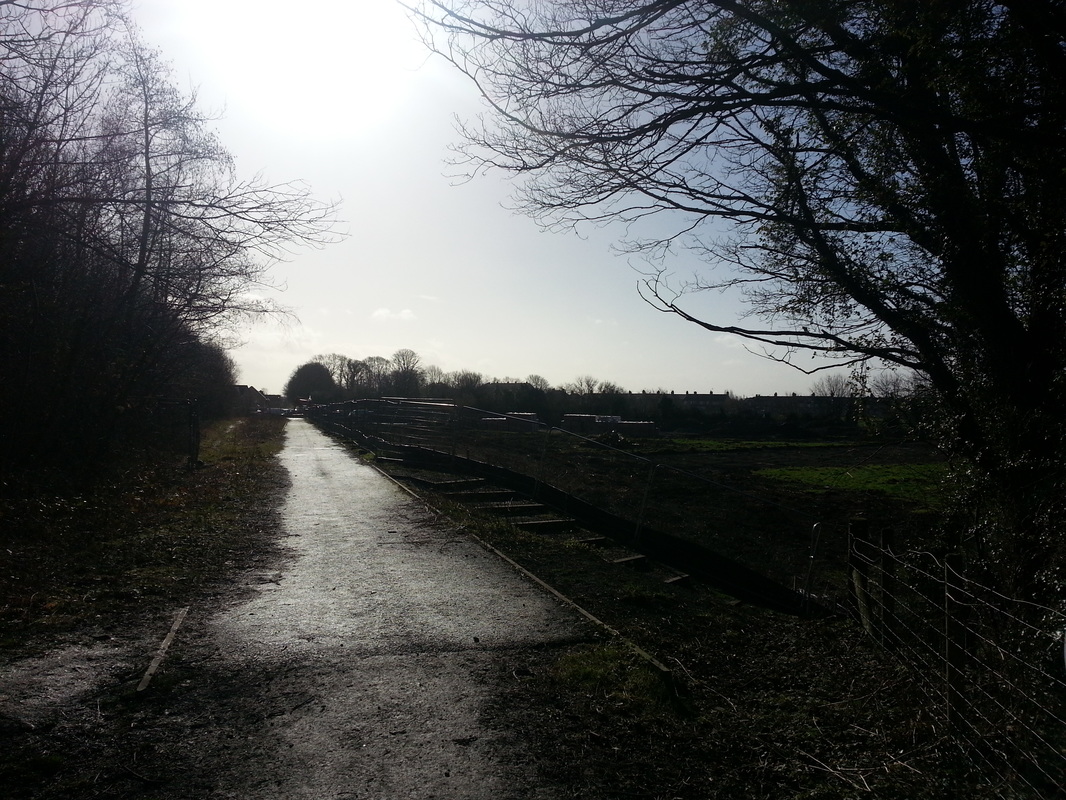
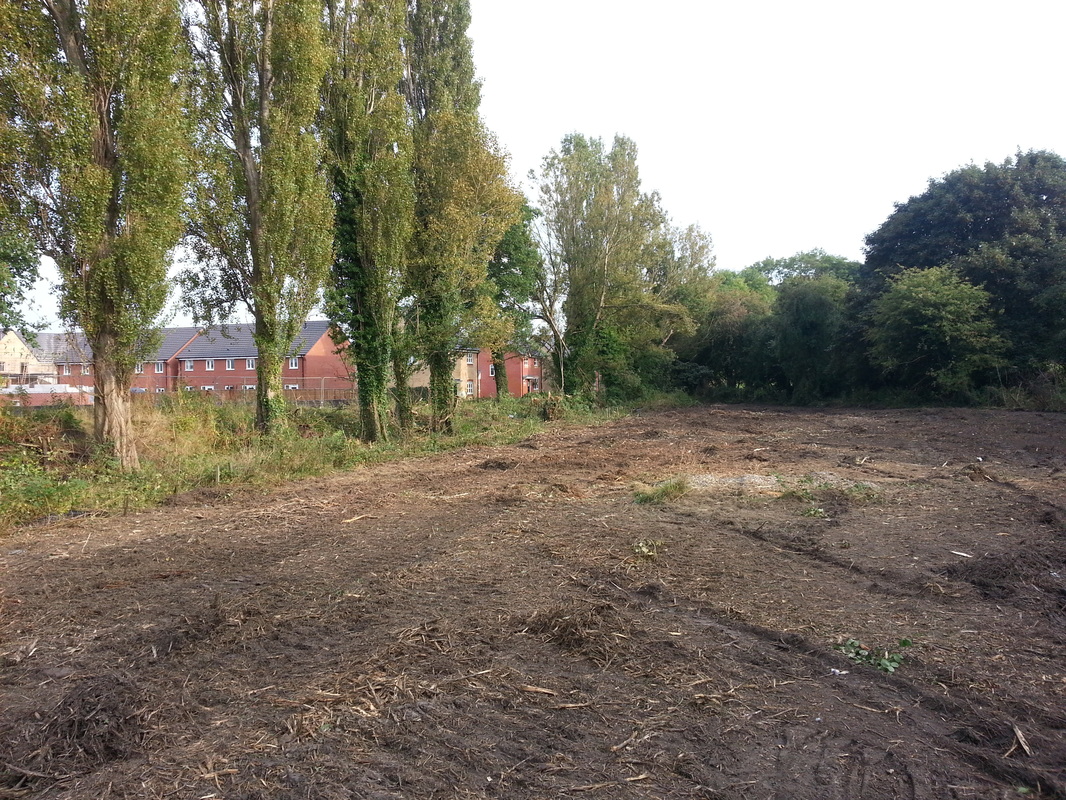
The construction of 'Gatewen Village' on the former Gatewen Colliery, close to Gatewen Hall.
Gatewen Colliery
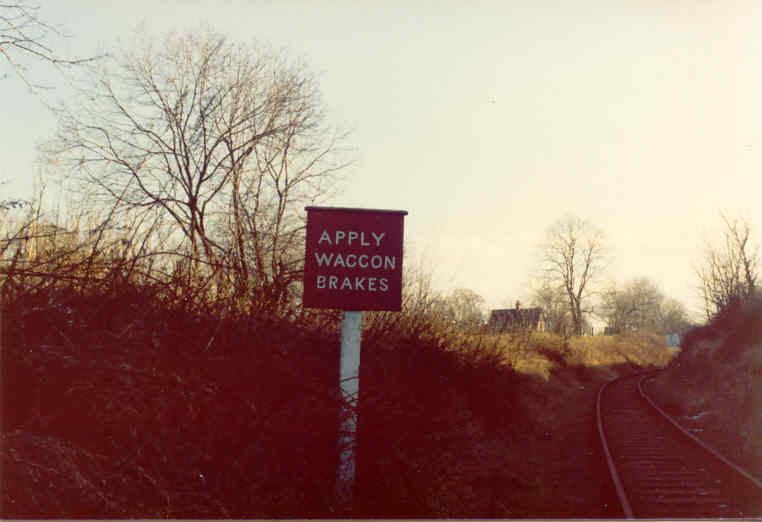
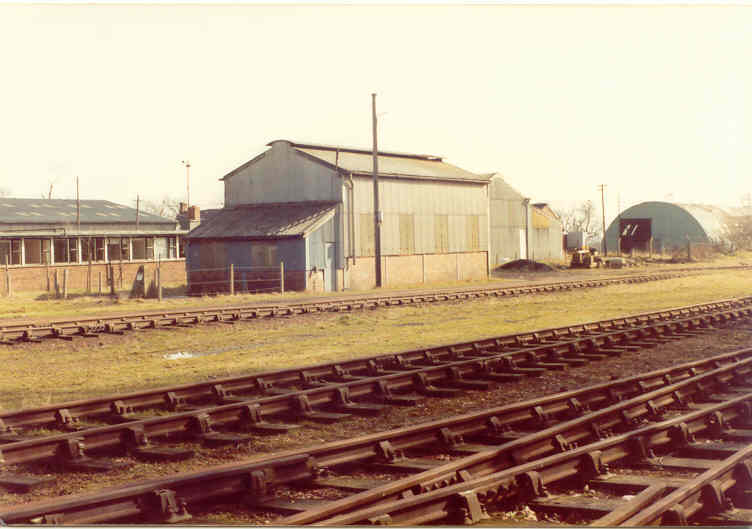
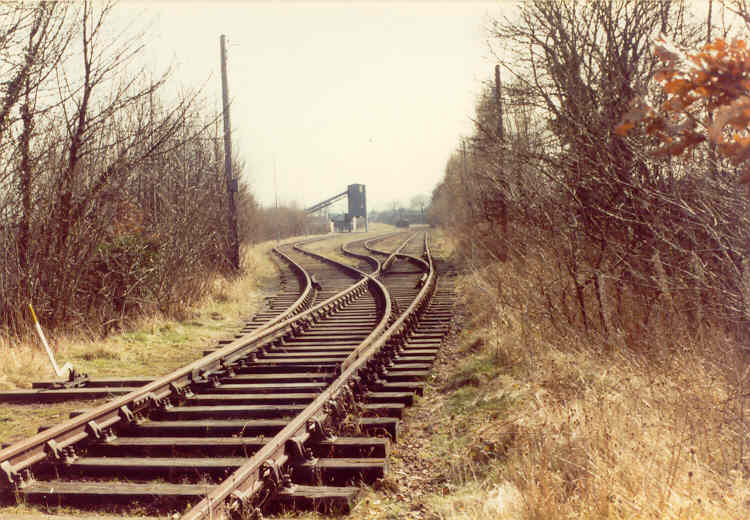
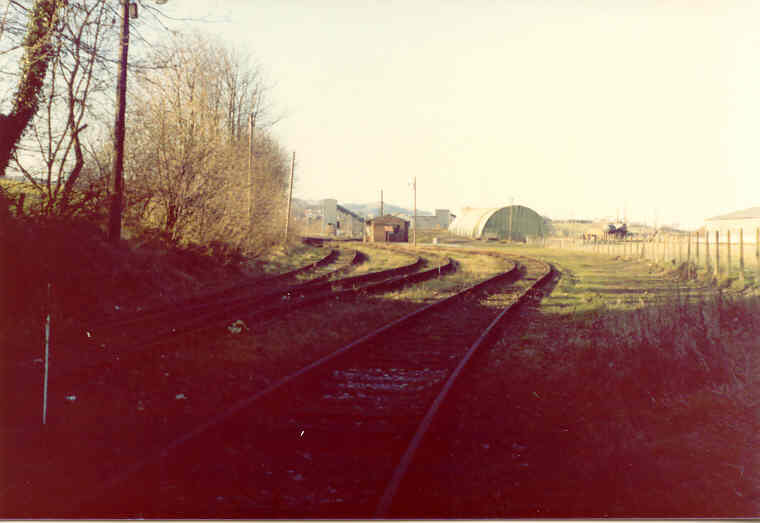
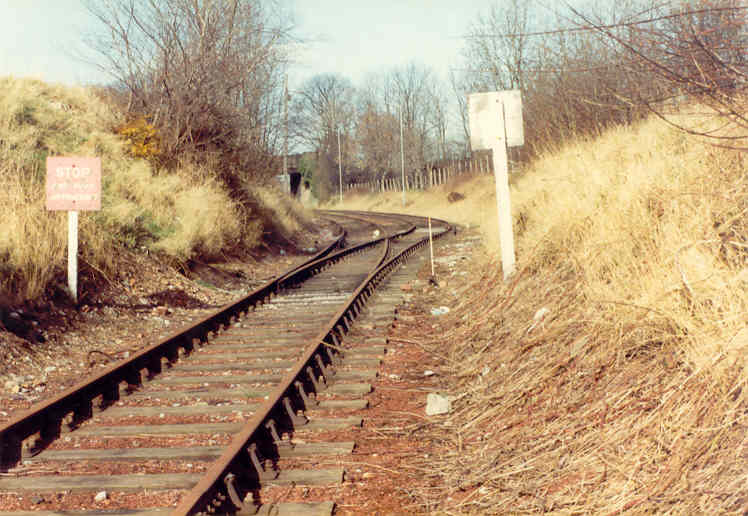
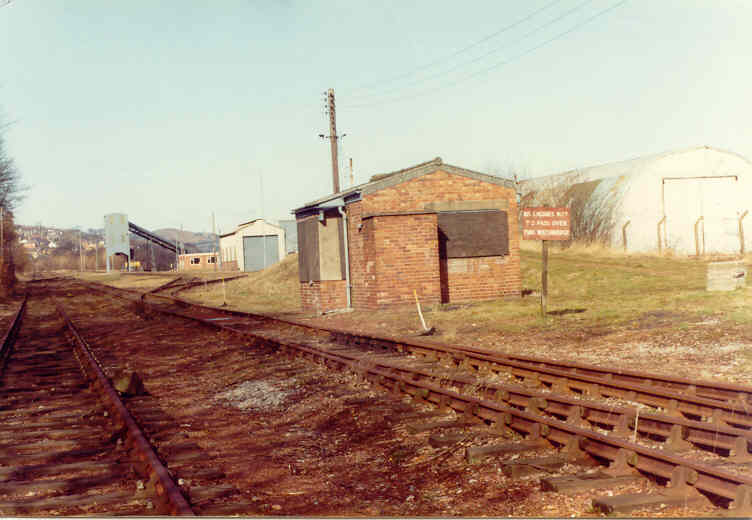
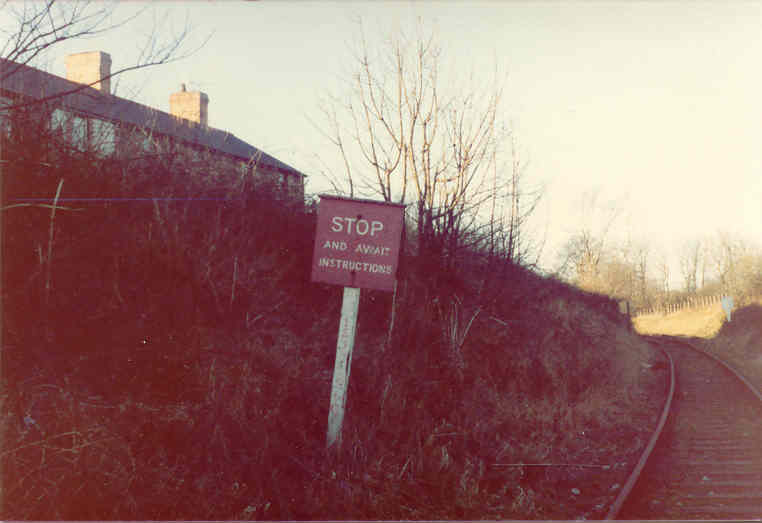
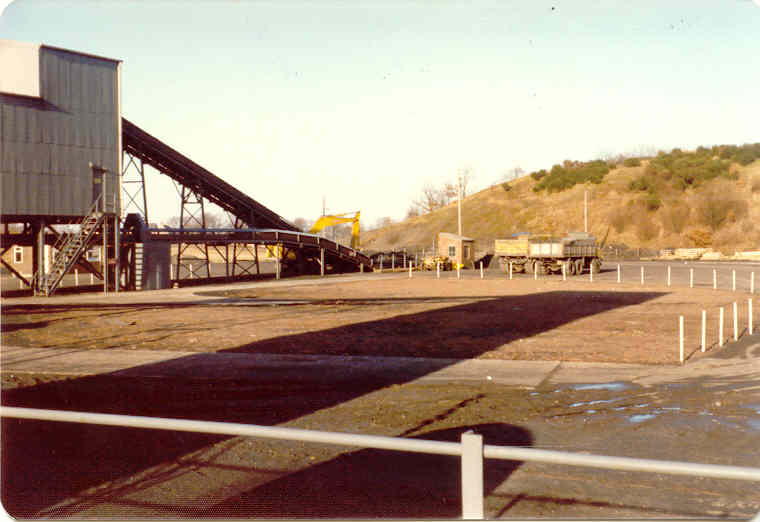
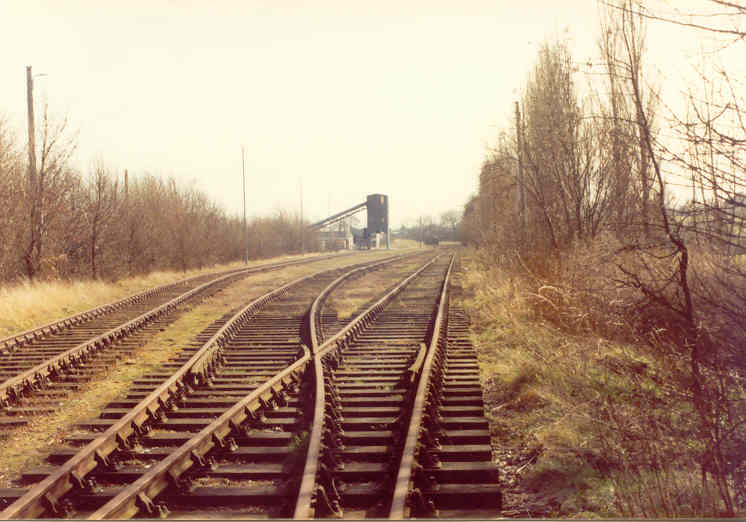
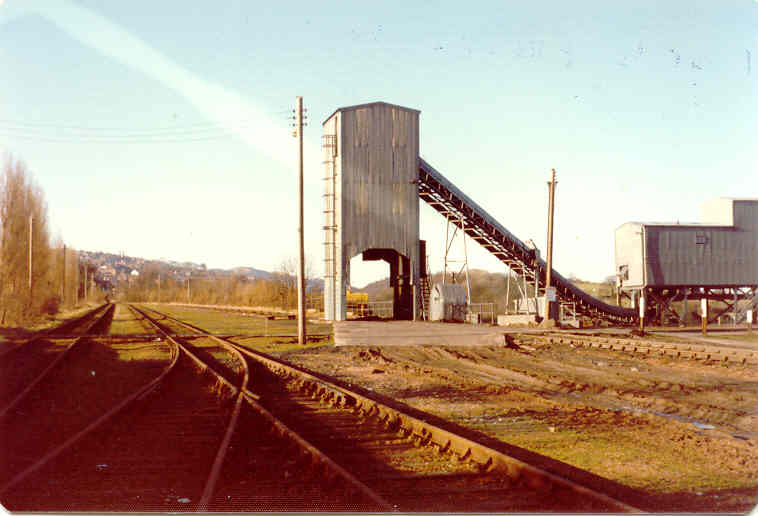
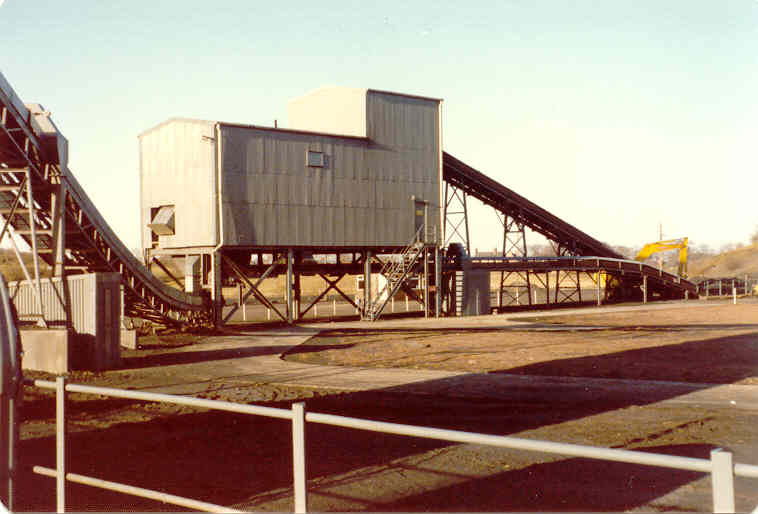
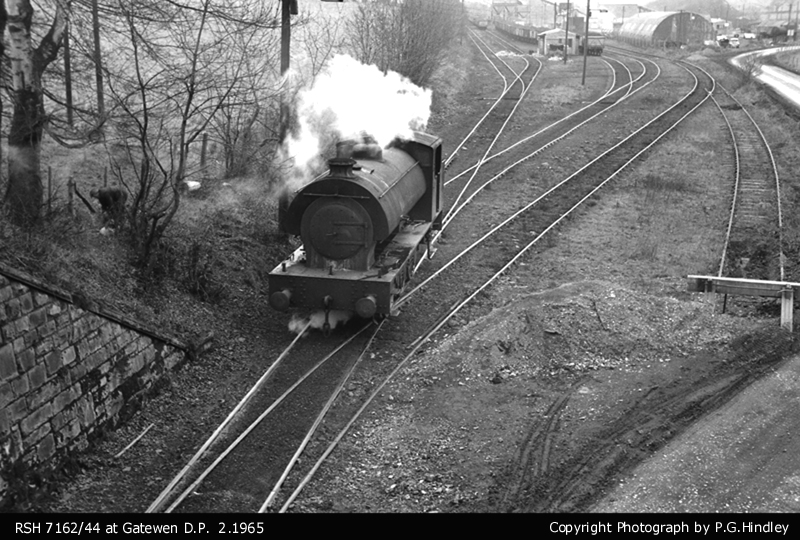
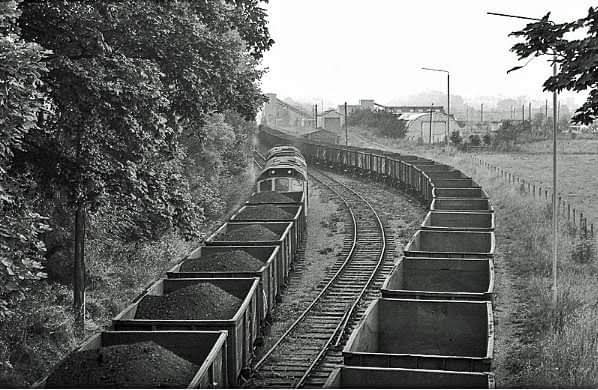
Opened in 1877, this pit belonged to the Broughton and Plas Power Coal Company. In 1914 the number of men employed here was 816 (696 underground and 120 surface workers). The mine had a very restricted take or working area. The workings were all south east of the shafts and extended to the gates of Erddig Park. The mine closed in 1932 and, when the Bersham Colliery's wooden headgear was destroyed by fire, it was replaced by the steel trellis headgear from Gatewen.
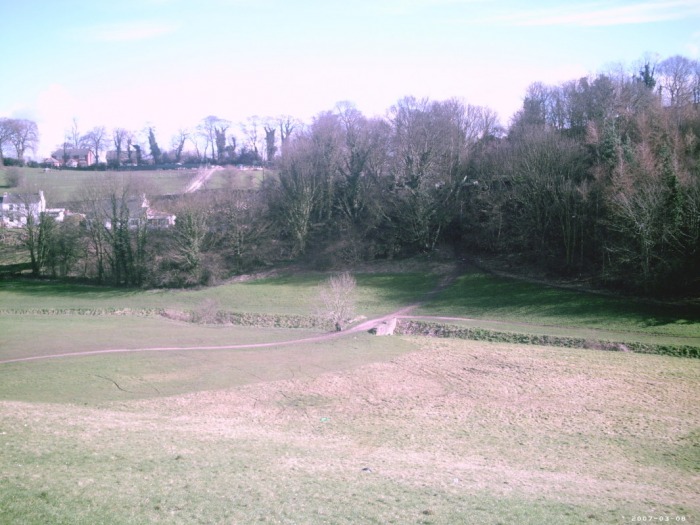
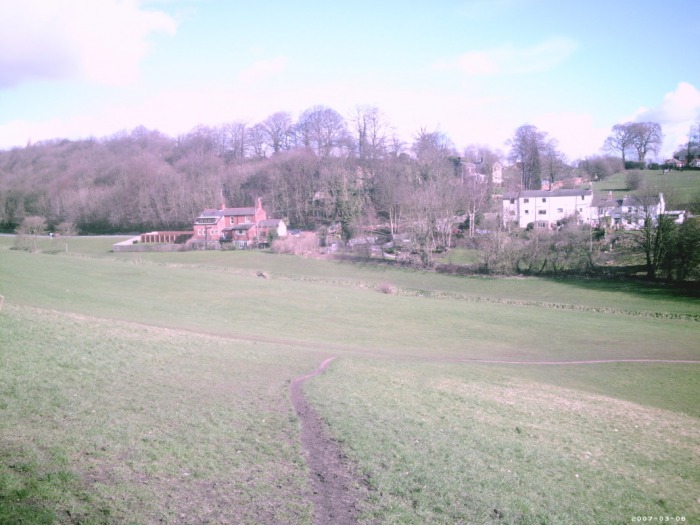
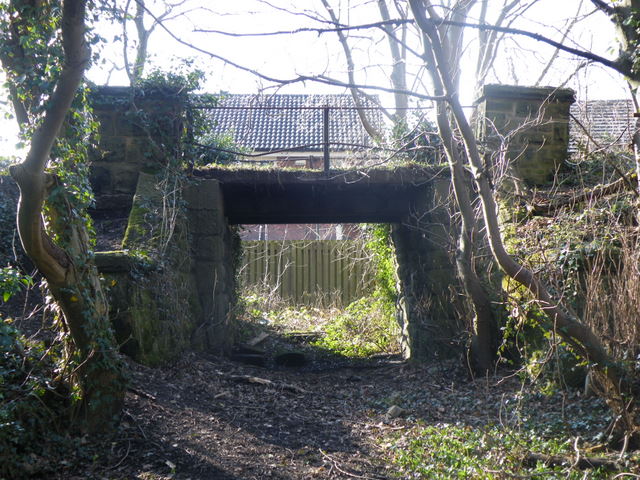
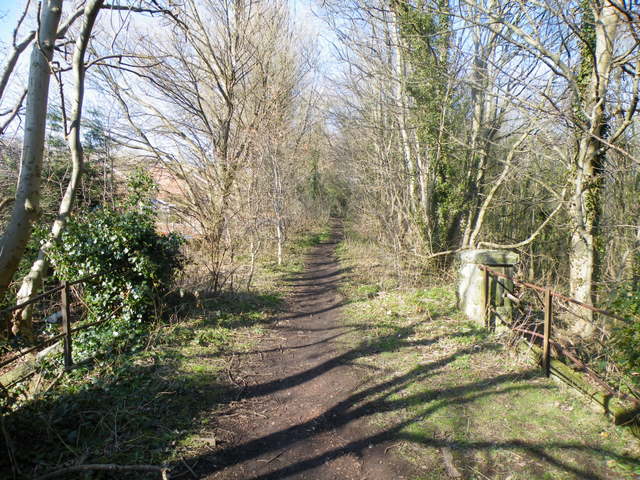
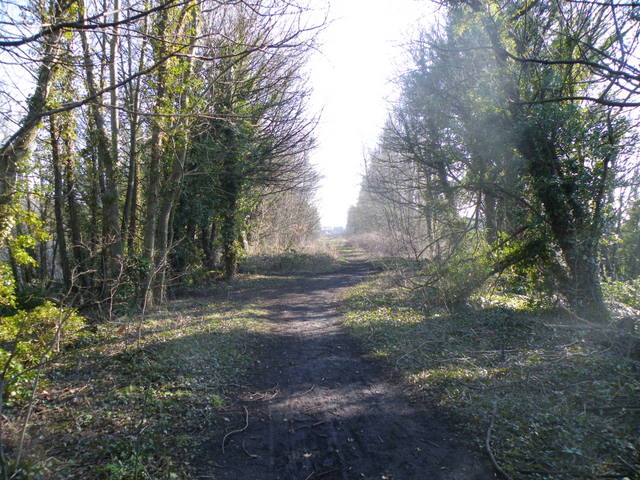
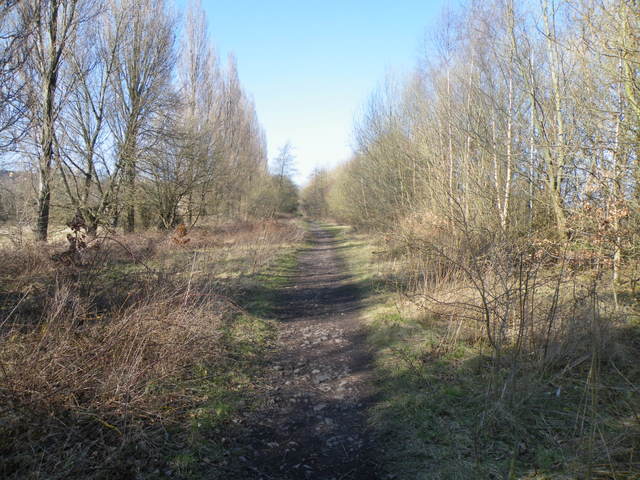
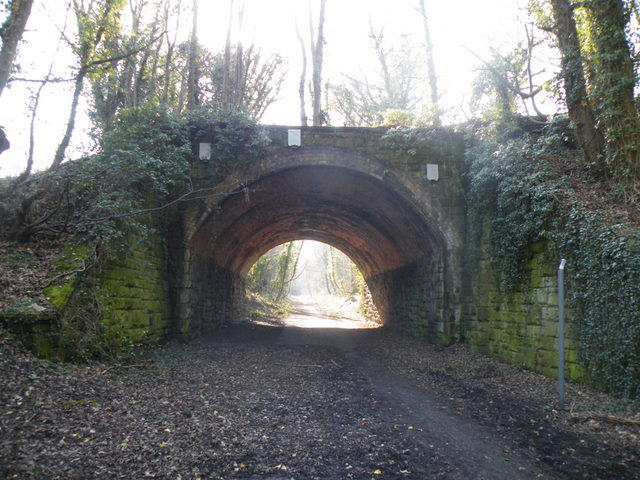
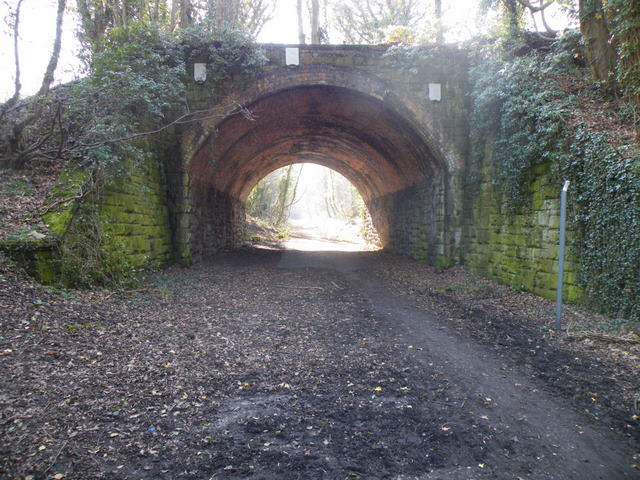
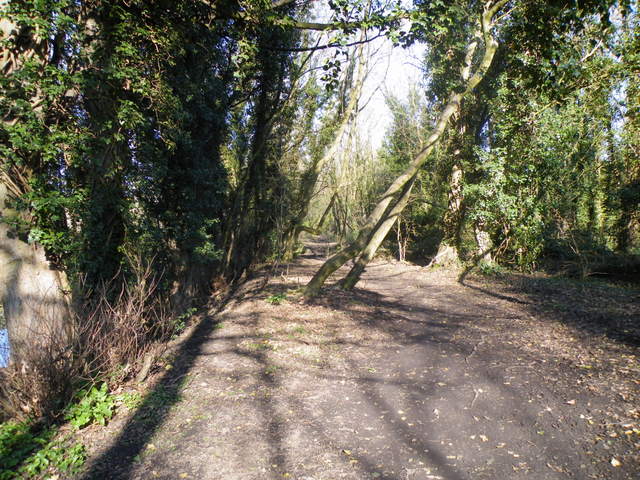
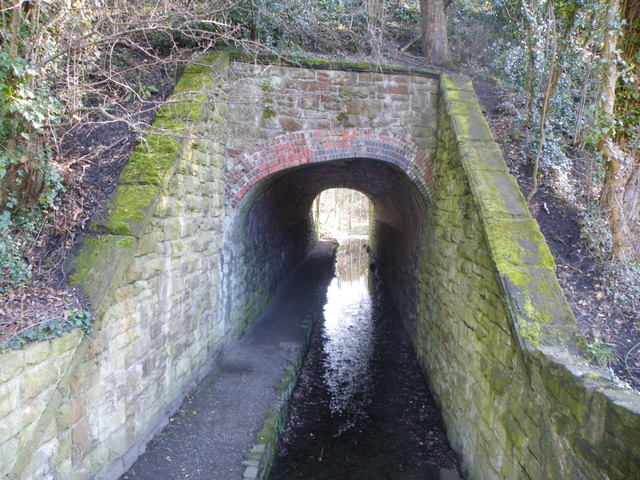
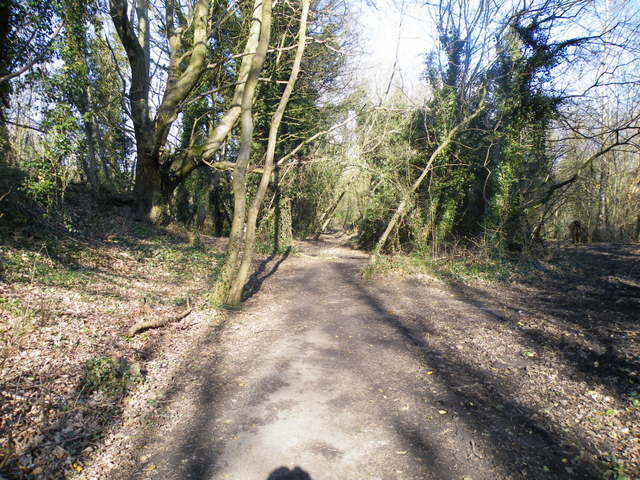
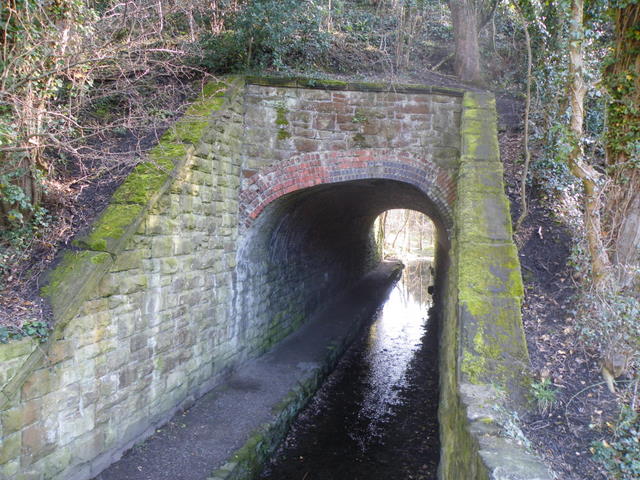
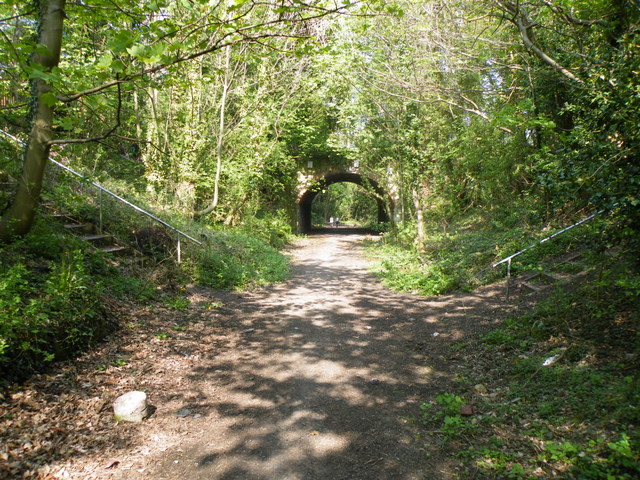
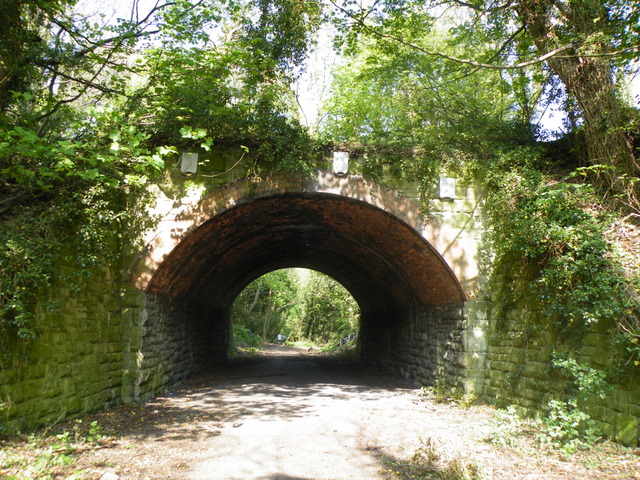
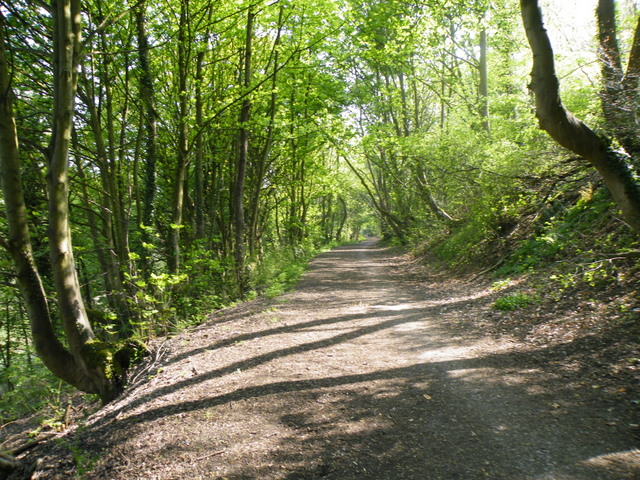
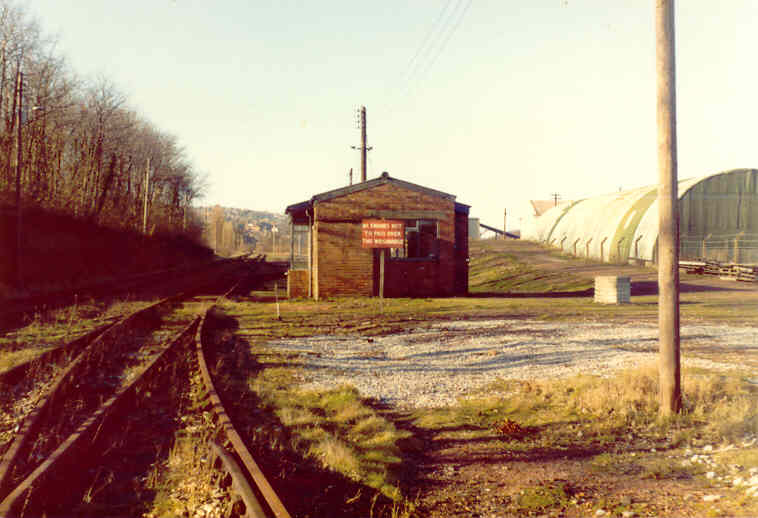
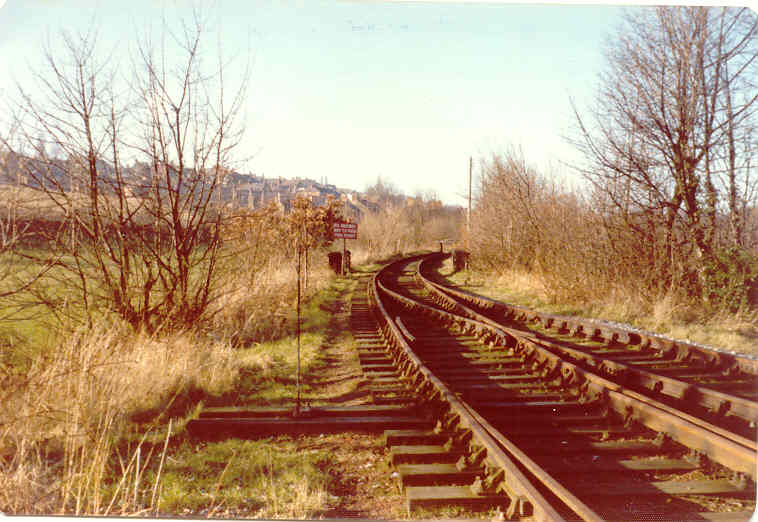
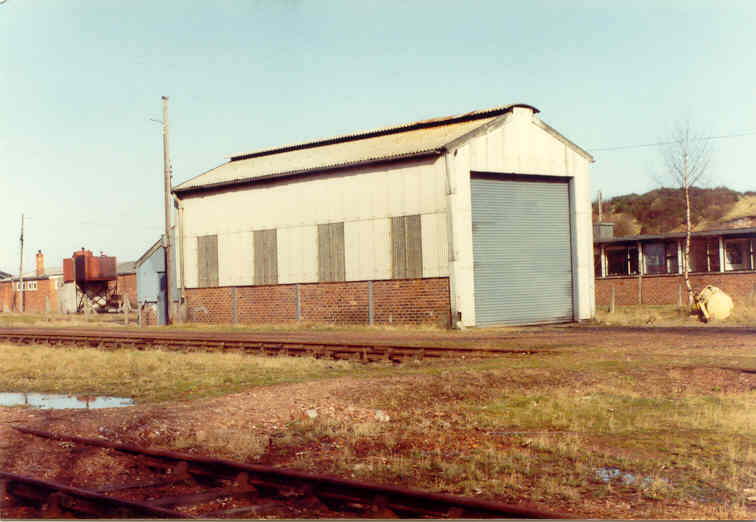
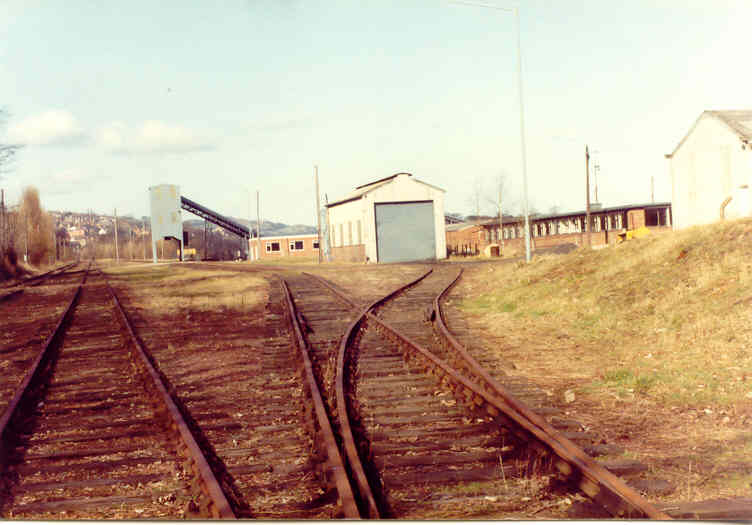
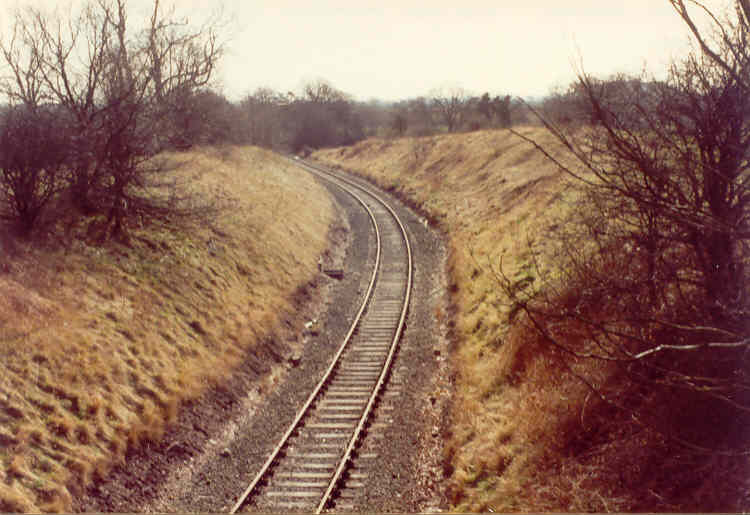
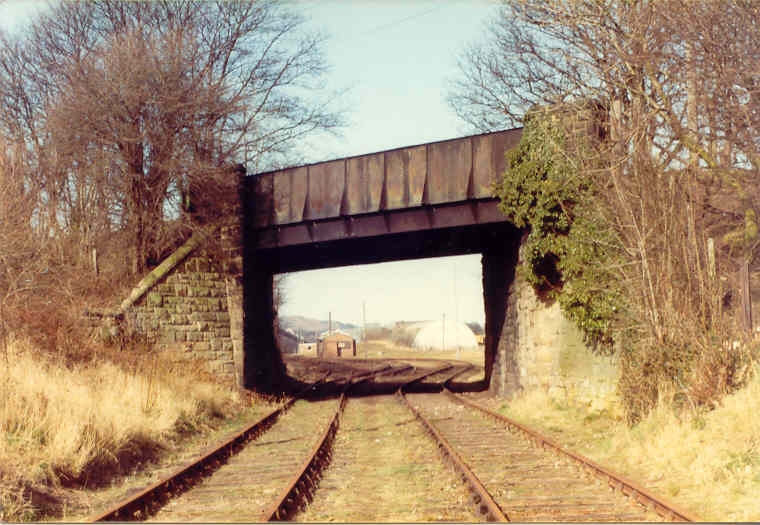
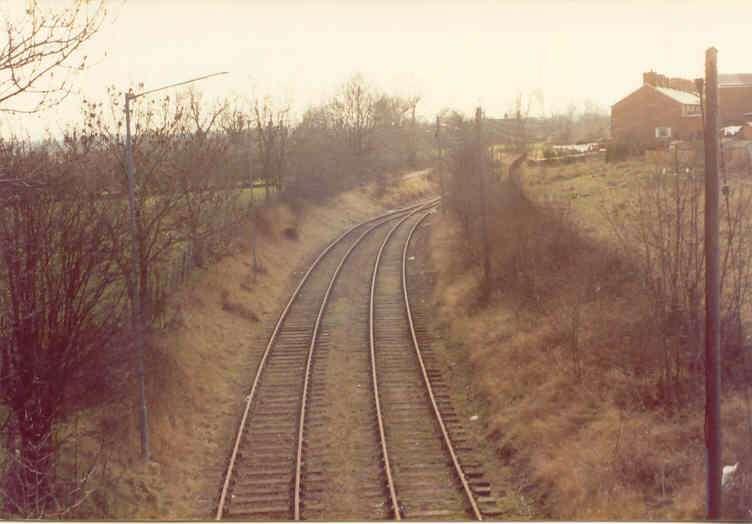
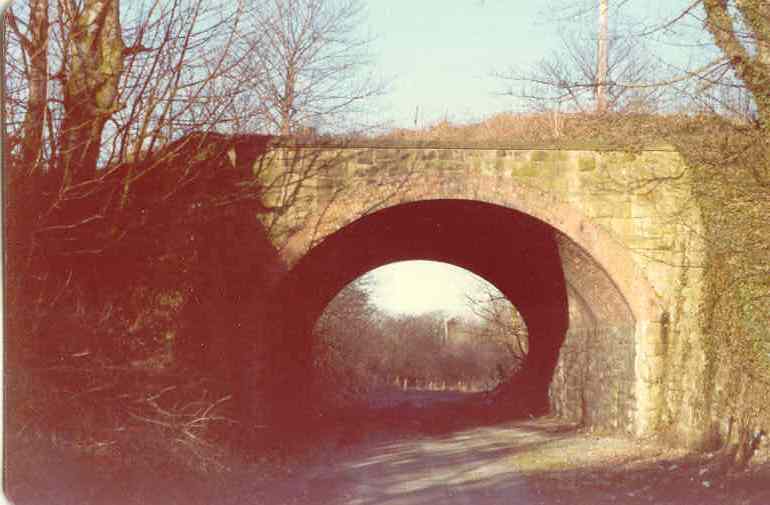
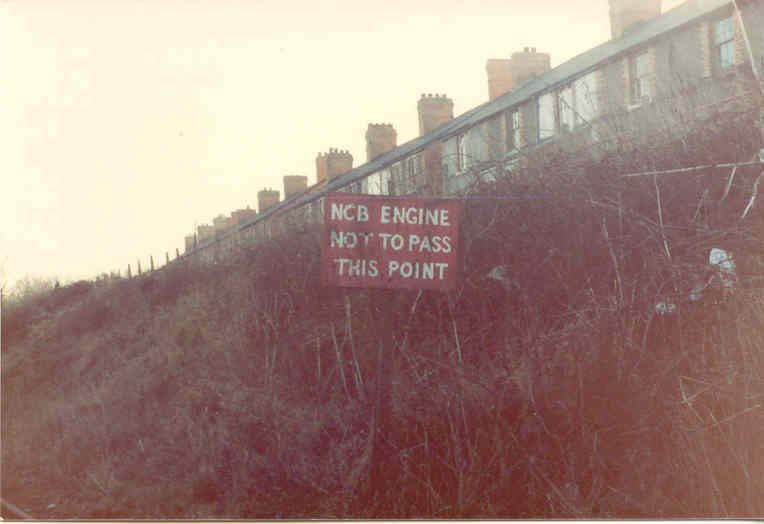
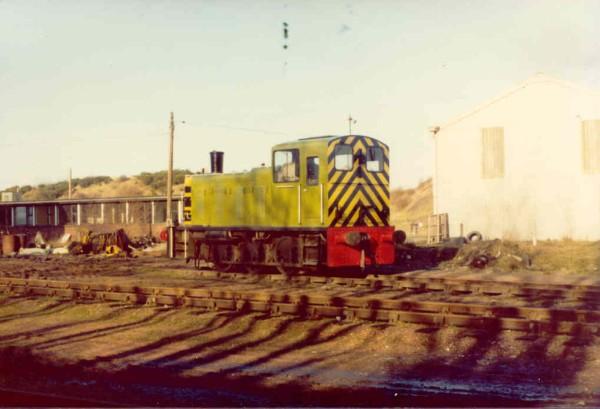
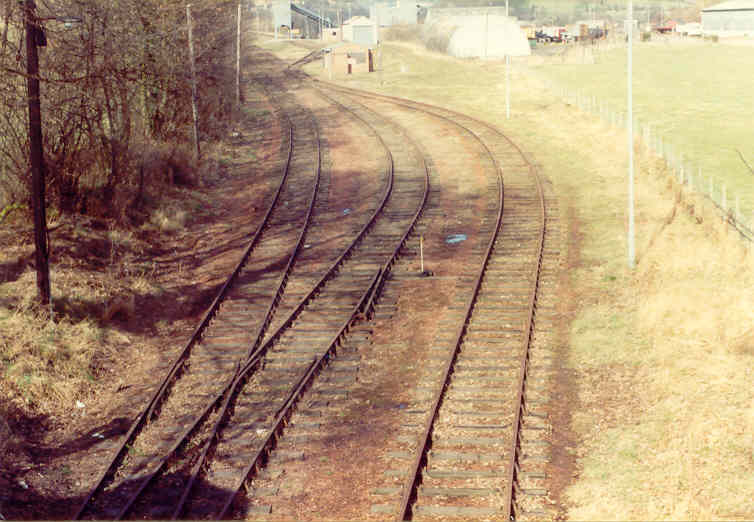
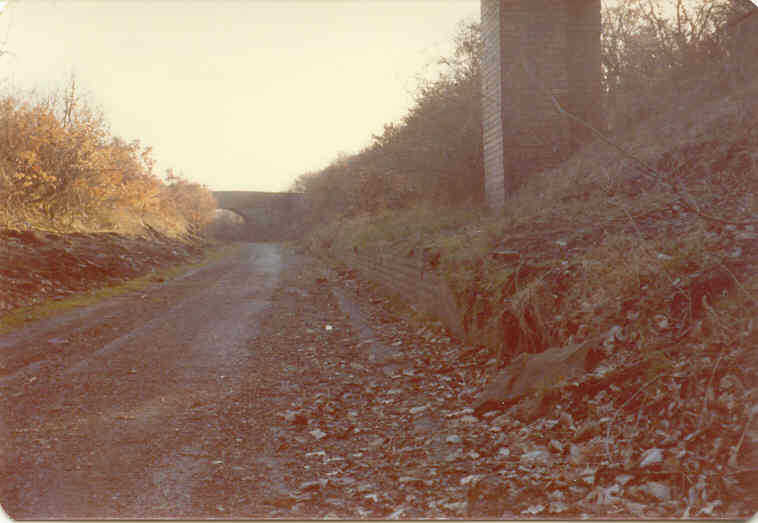
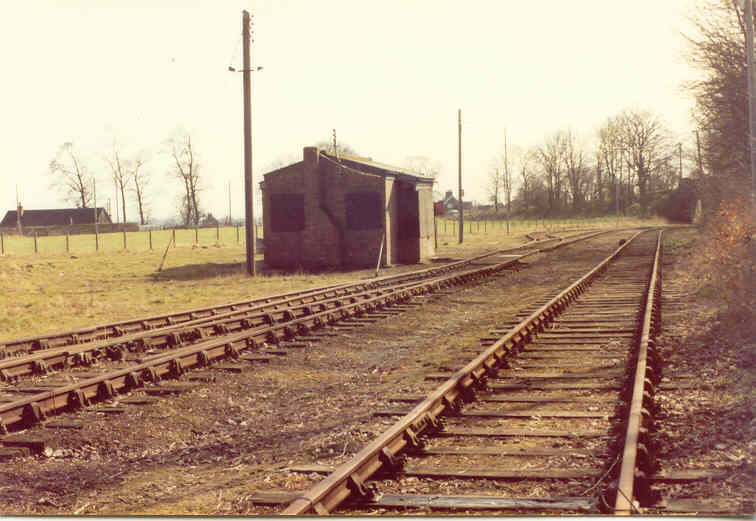
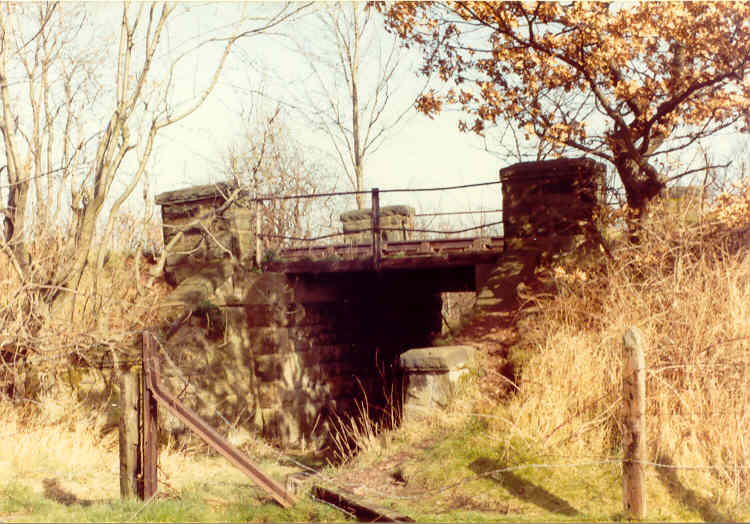
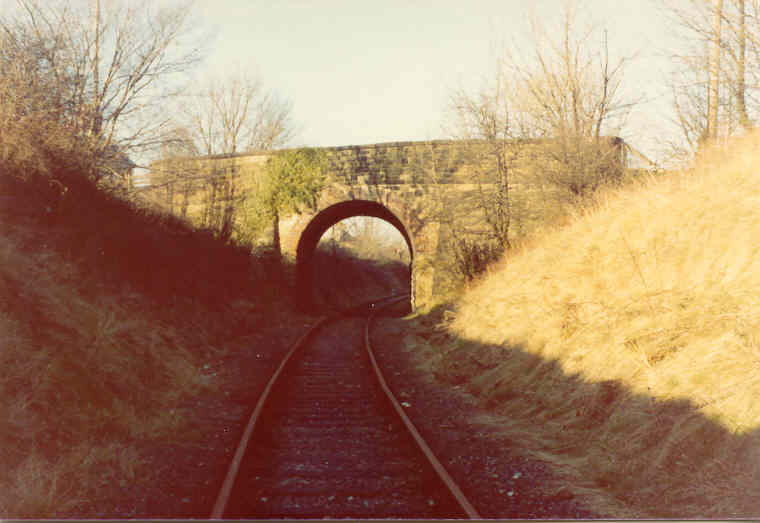
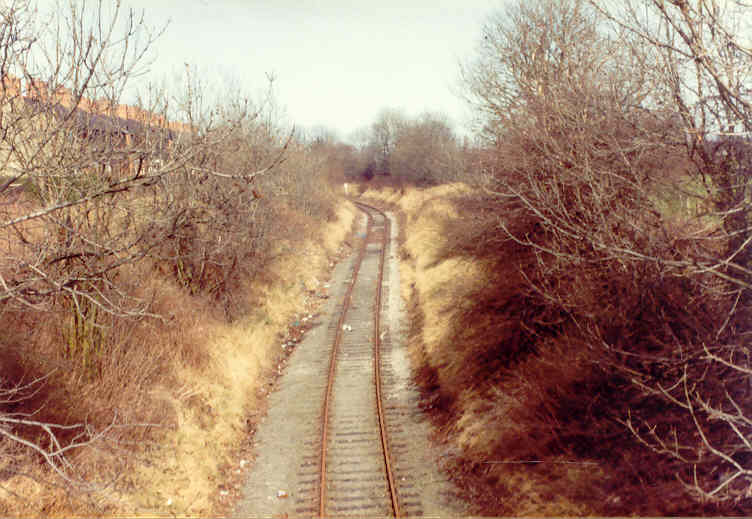
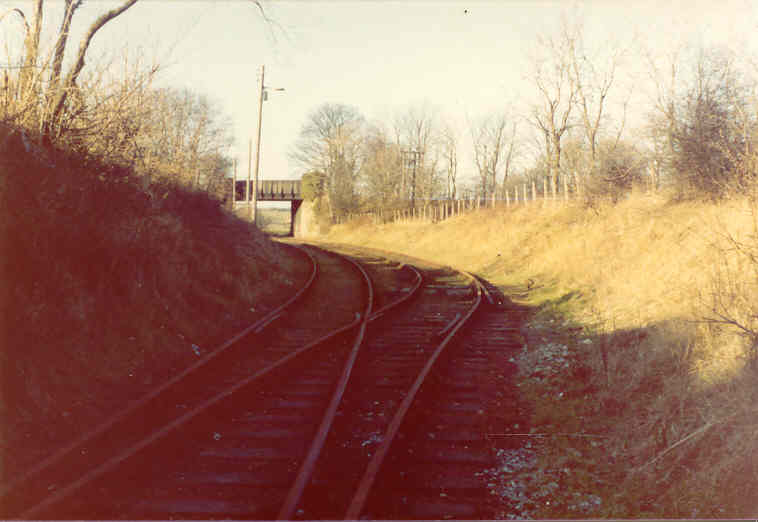
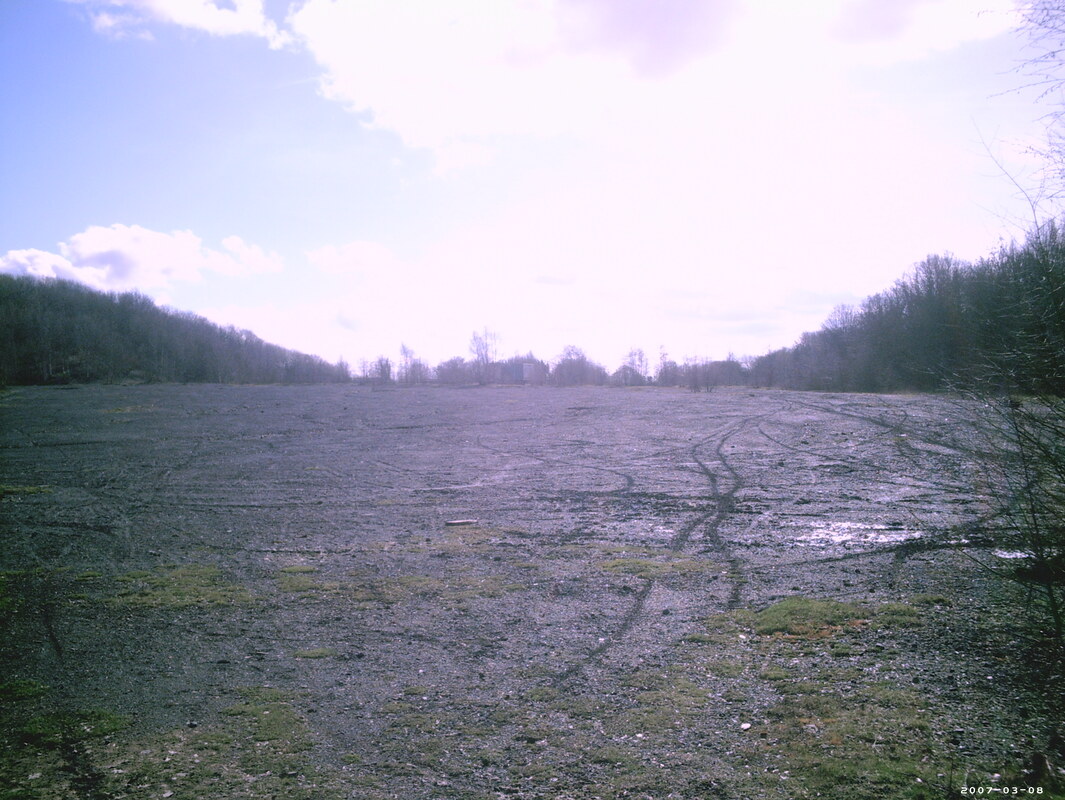
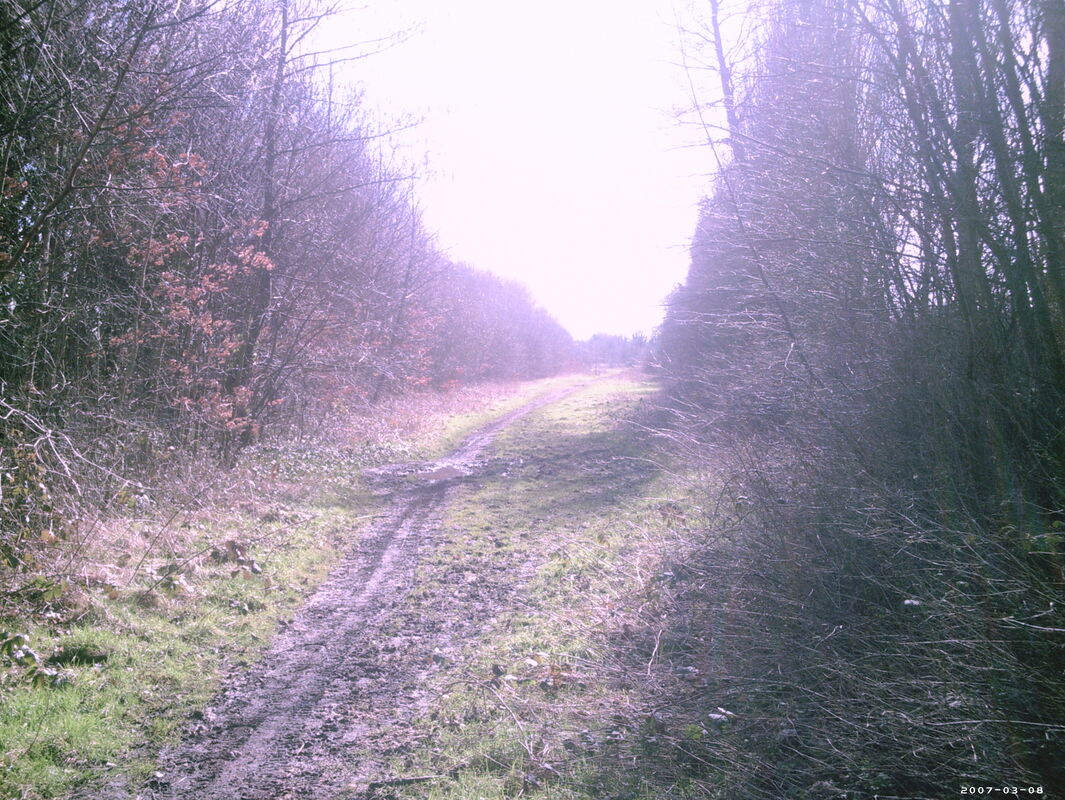
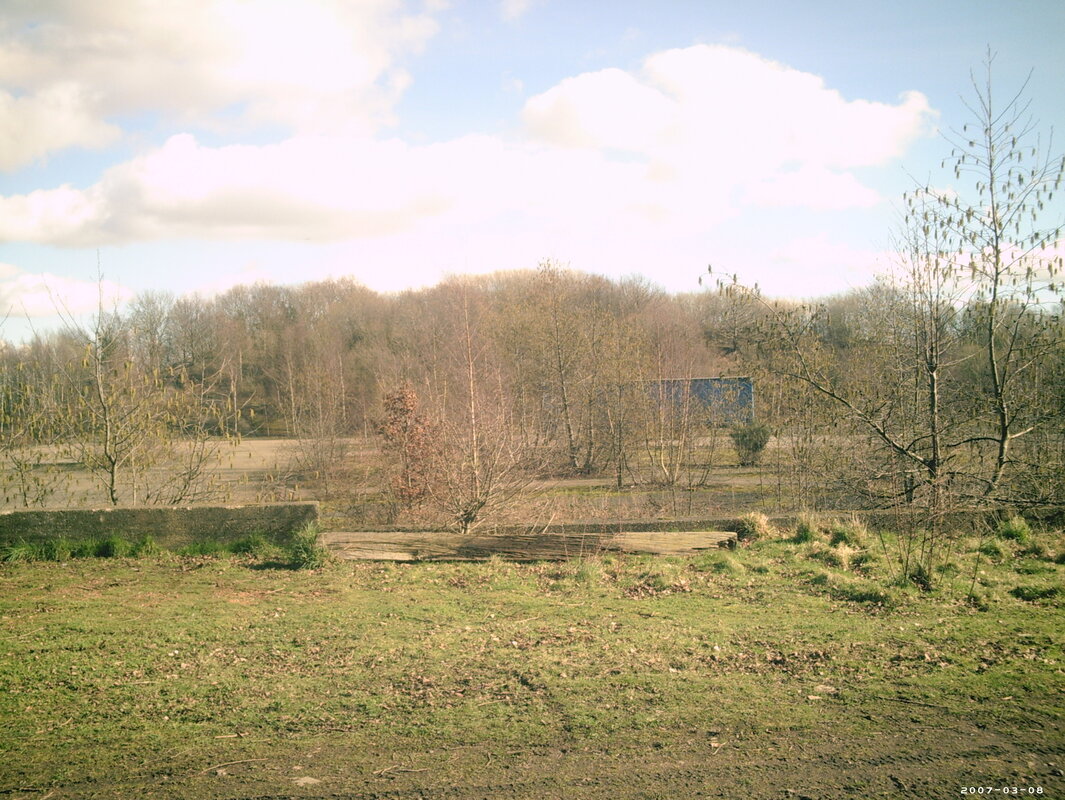
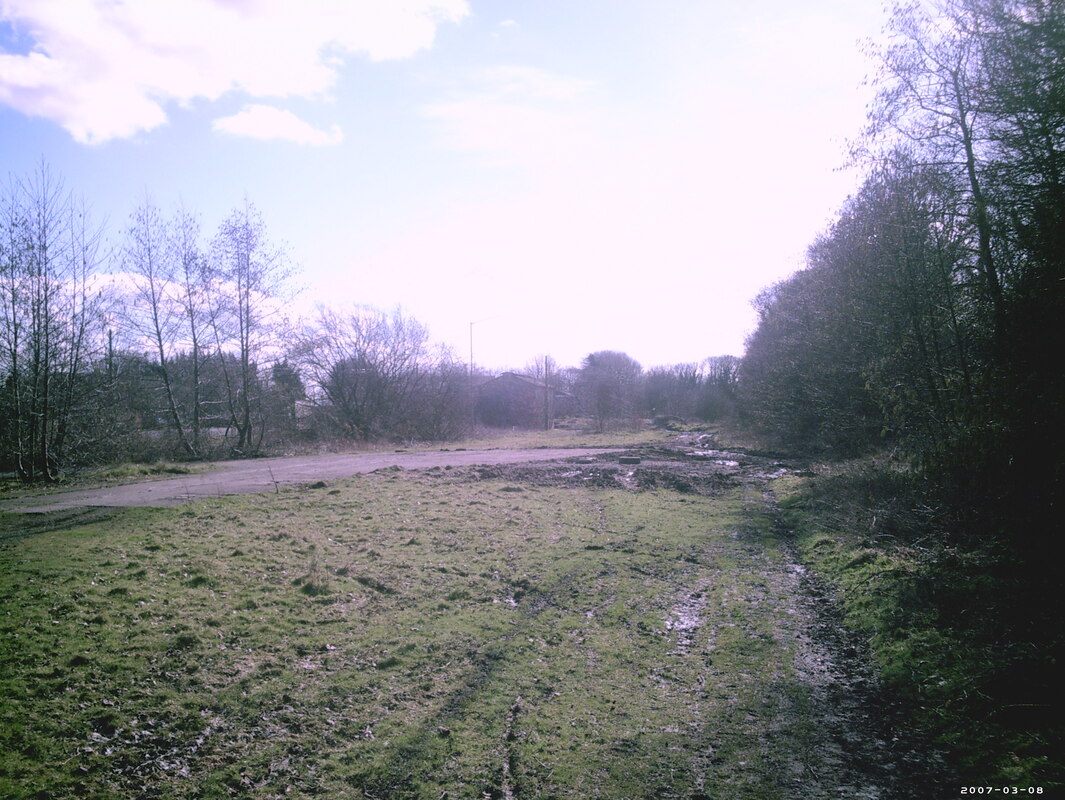
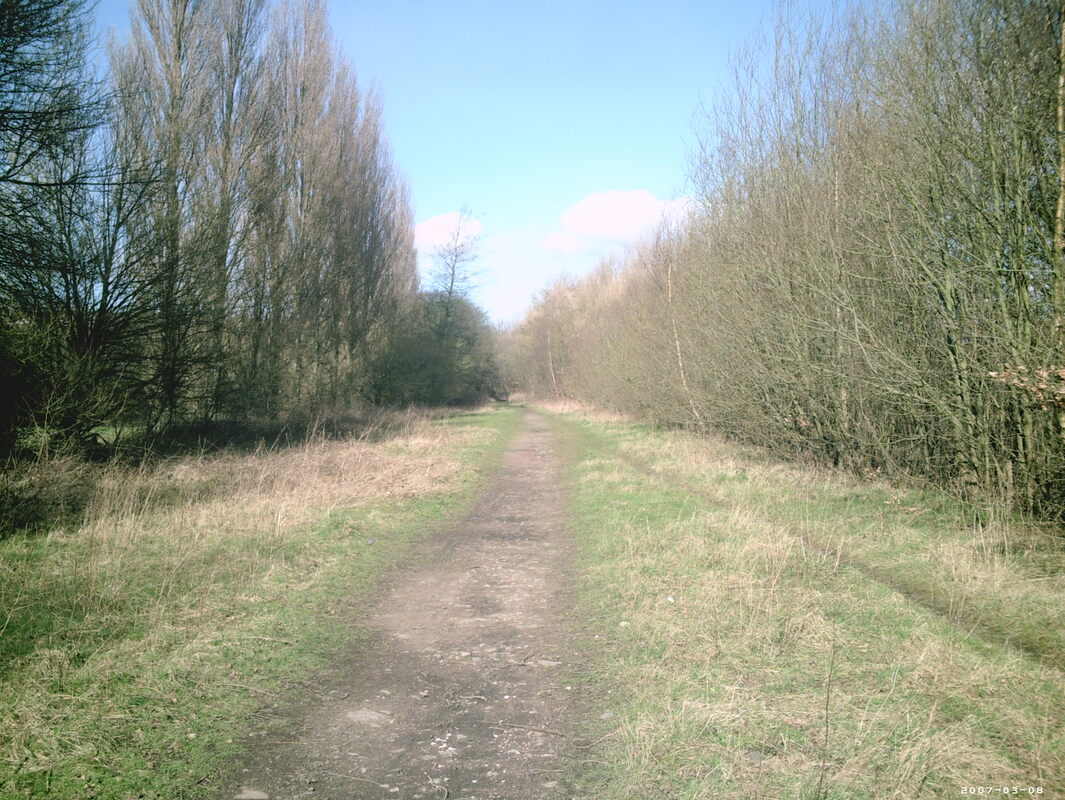
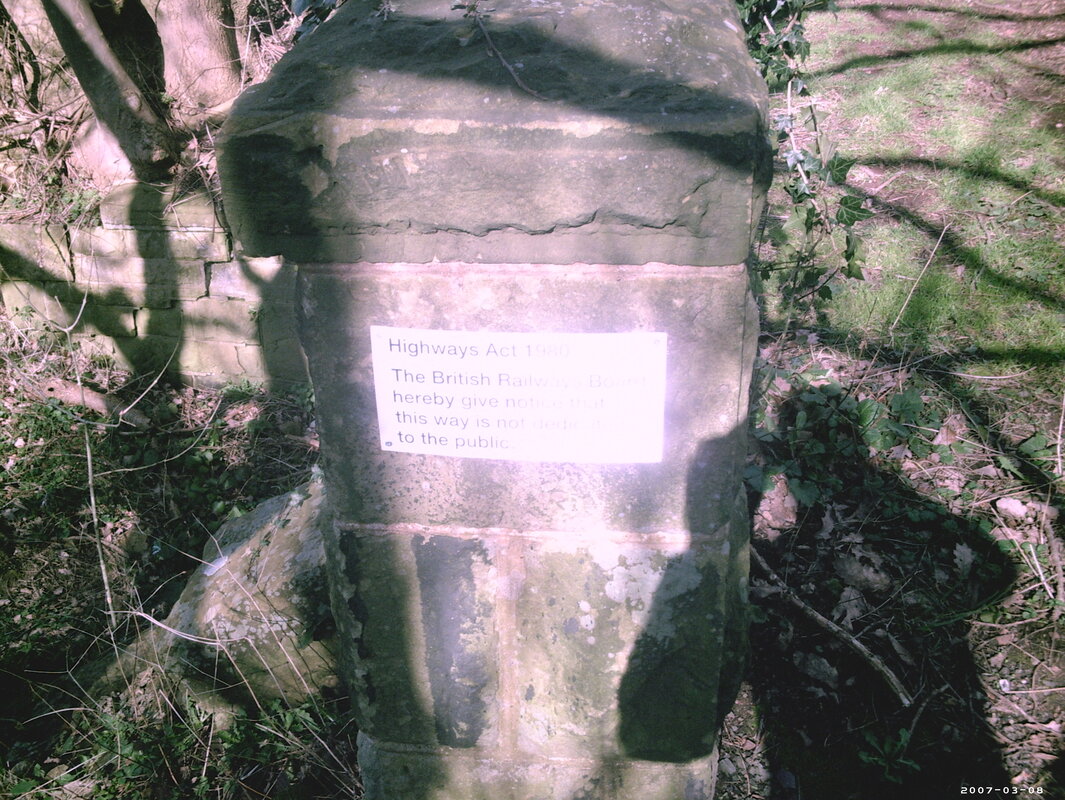
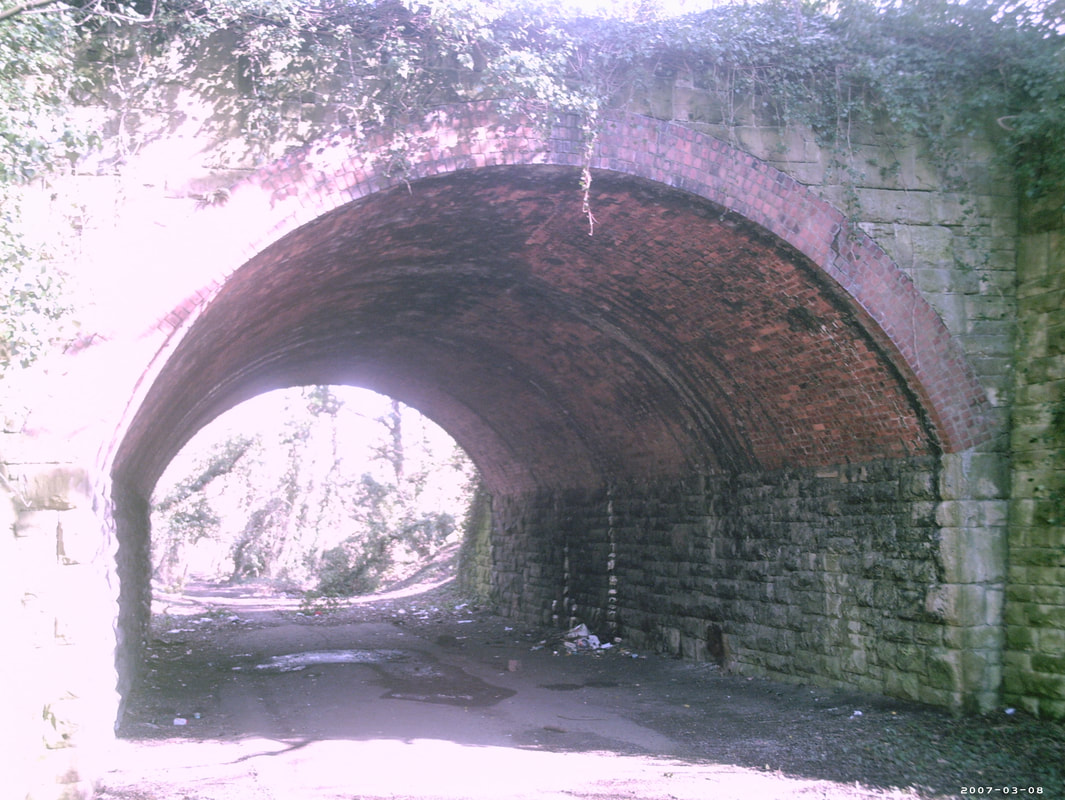
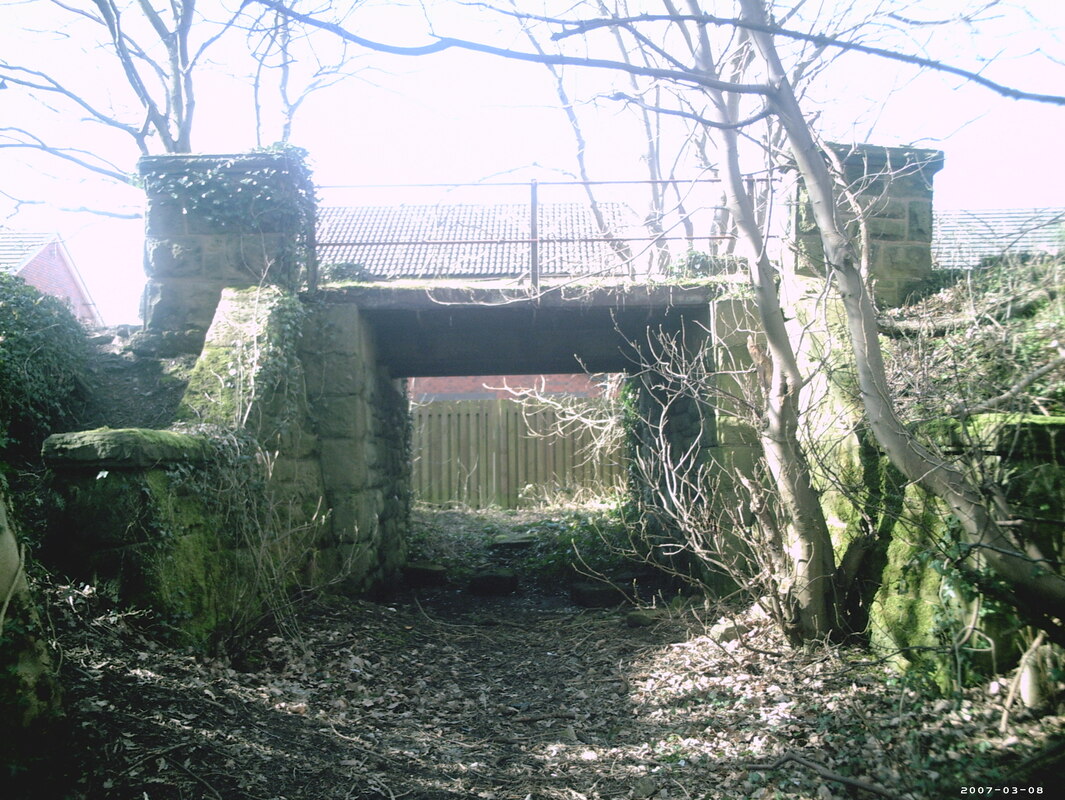
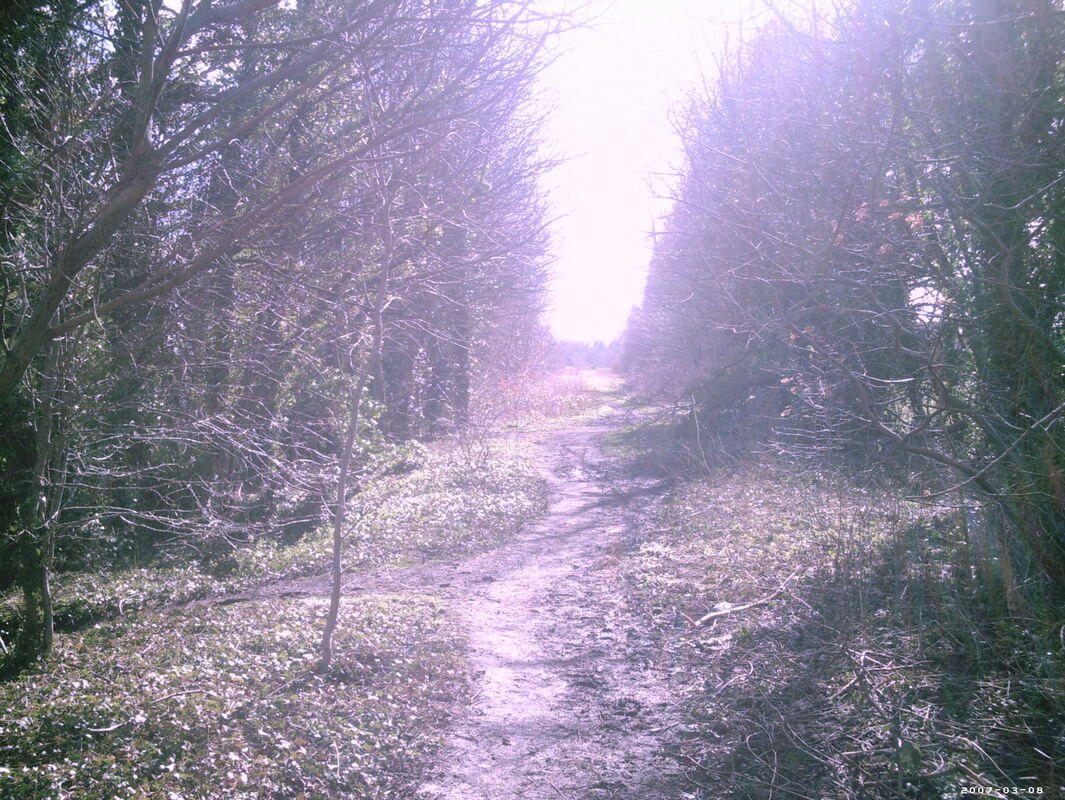
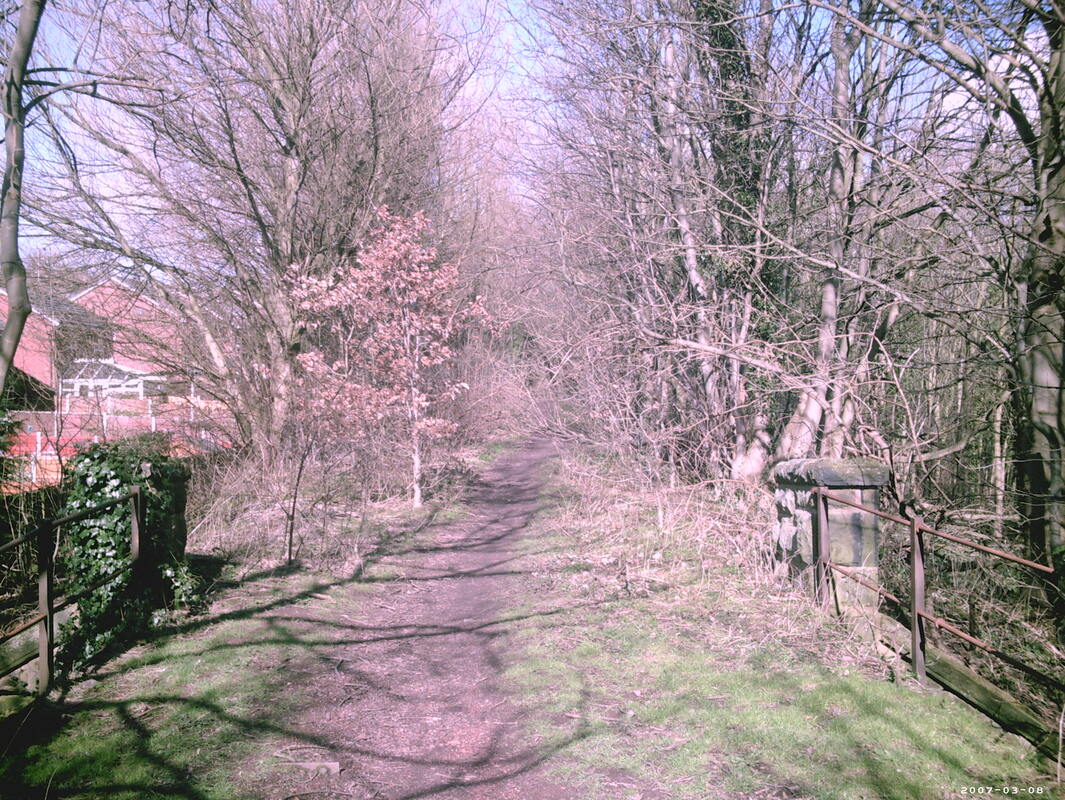
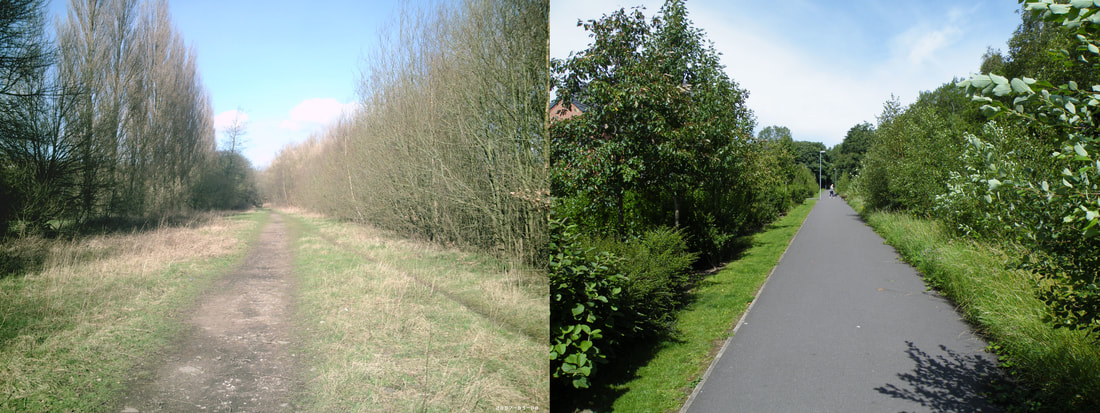
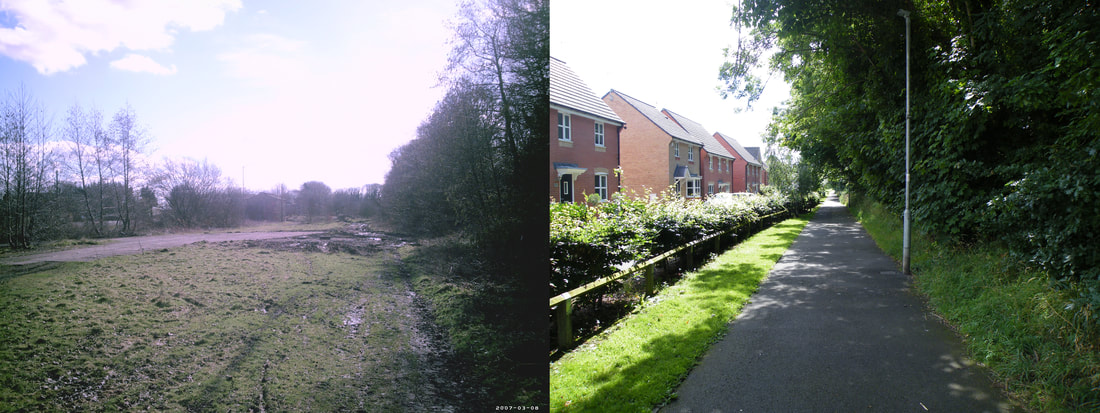
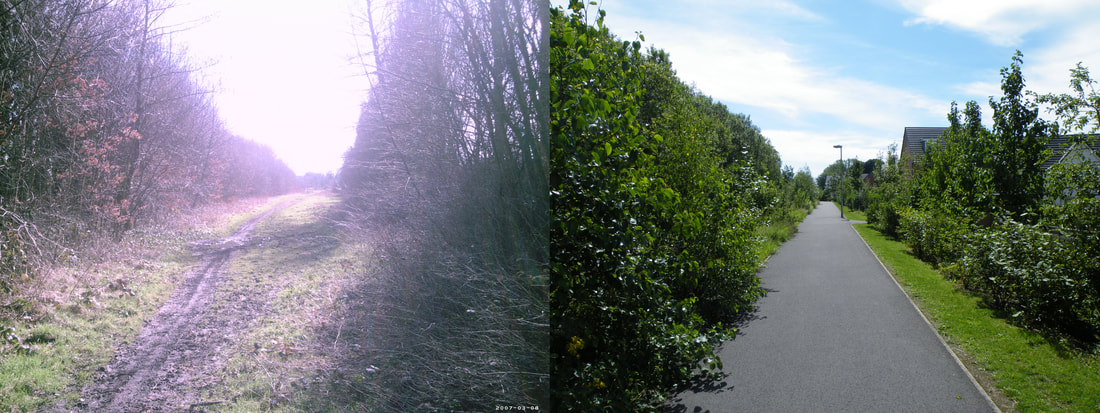
The old colliery is now the site of Gatewen Village, the old railway line you see in some of the photo's below is now walking/cycle path that runs from past Moneypenny and Wrexham Maelor Hospital to the bridge on Poolmouth Road.
The old colliery is now the site of Gatewen Village, the old railway line you see in some of the photo's below is now walking/cycle path that runs from past Moneypenny and Wrexham Maelor Hospital to the bridge on Poolmouth Road.
Moss Valley
History
Yr Argae, known by local people today as 'The Aggy' is the Welsh word for 'dam' or 'wier'.
Throughout the 19th Century and early 20th Century, the Moss Valley was the home to the Westminister Colliery. It consisted of both traditional and open cast techniques. The coal was distributed both locally and nationally through major railway links, much of which was built specifically for the distribution of goods.
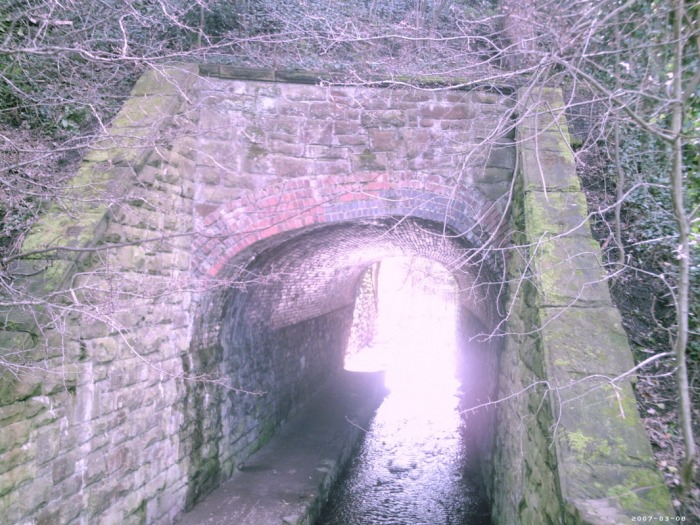
The colliery's railways were linked to neighbouring Great Western Railways lines, through a tunnel leading to Gwersyllt, and the tunnel is still visible. Much of the local working force relied on these colieries for both income and fuel. The colliery closed in February 1925, but the reminants of the industry were not removed until the early 1970s.
It closed mainly due to water leakage, but this was the beginning of a declining industry.
Yr Argae, known by local people today as 'The Aggy' is the Welsh word for 'dam' or 'wier'.
Throughout the 19th Century and early 20th Century, the Moss Valley was the home to the Westminister Colliery. It consisted of both traditional and open cast techniques. The coal was distributed both locally and nationally through major railway links, much of which was built specifically for the distribution of goods.
The colliery's railways were linked to neighbouring Great Western Railways lines, through a tunnel leading to Gwersyllt, and the tunnel is still visible. Much of the local working force relied on these colieries for both income and fuel. The colliery closed in February 1925, but the reminants of the industry were not removed until the early 1970s.
It closed mainly due to water leakage, but this was the beginning of a declining industry.
Decline
Throughout the late 1980s and 1990s, the park was subject to a high level of vandalism. Many of the public features, including picnic benches, litter bins, gates and jetties, were forced to be removed after being in a state of "beyond repair".
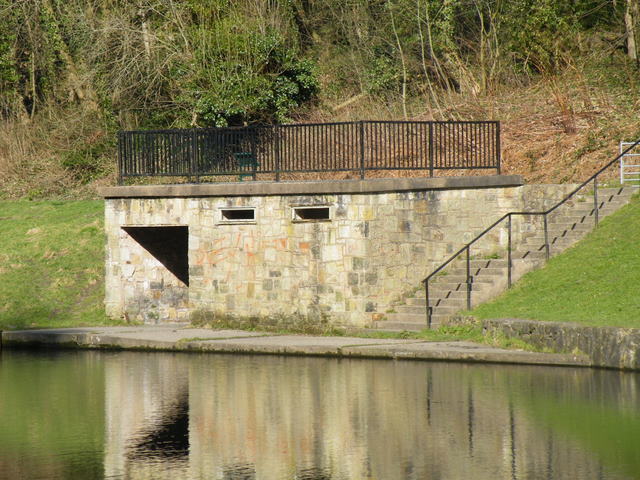
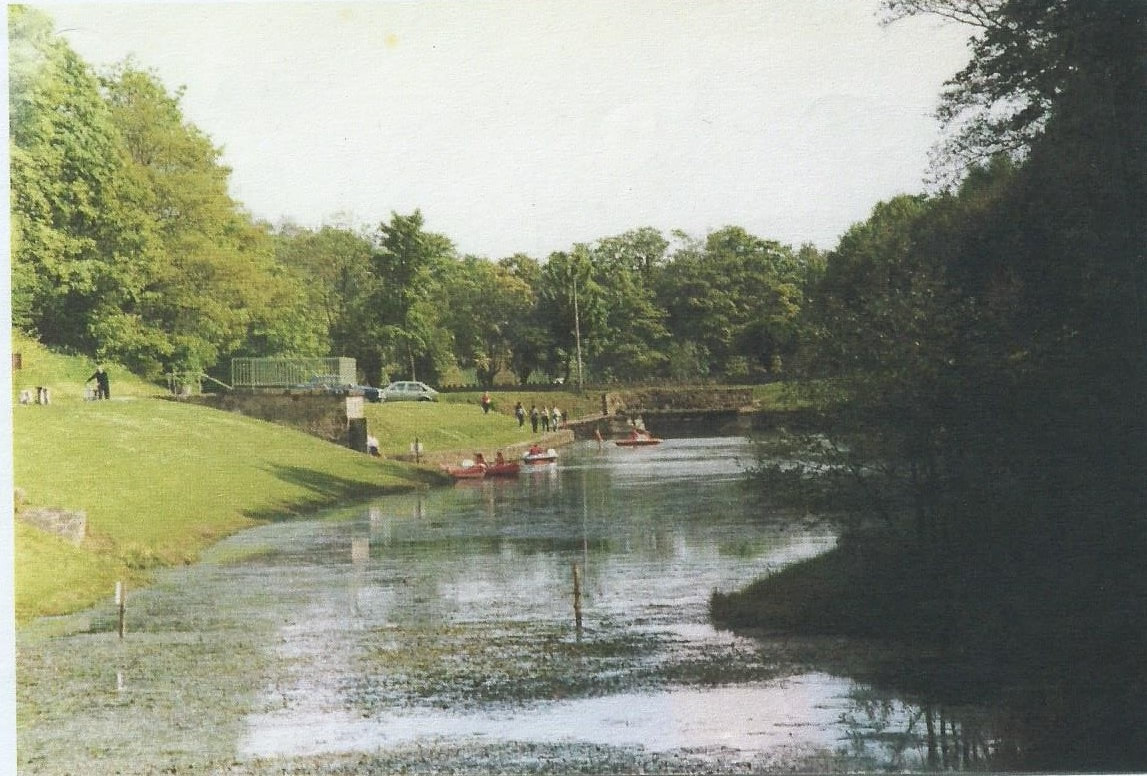
When Wrexham CBC took over from Clwyd County Council in 1996,many cuts were scheduled. From that year, the boating lake ceased to serve its original purpose, and its storage facilities and jetty were removed.
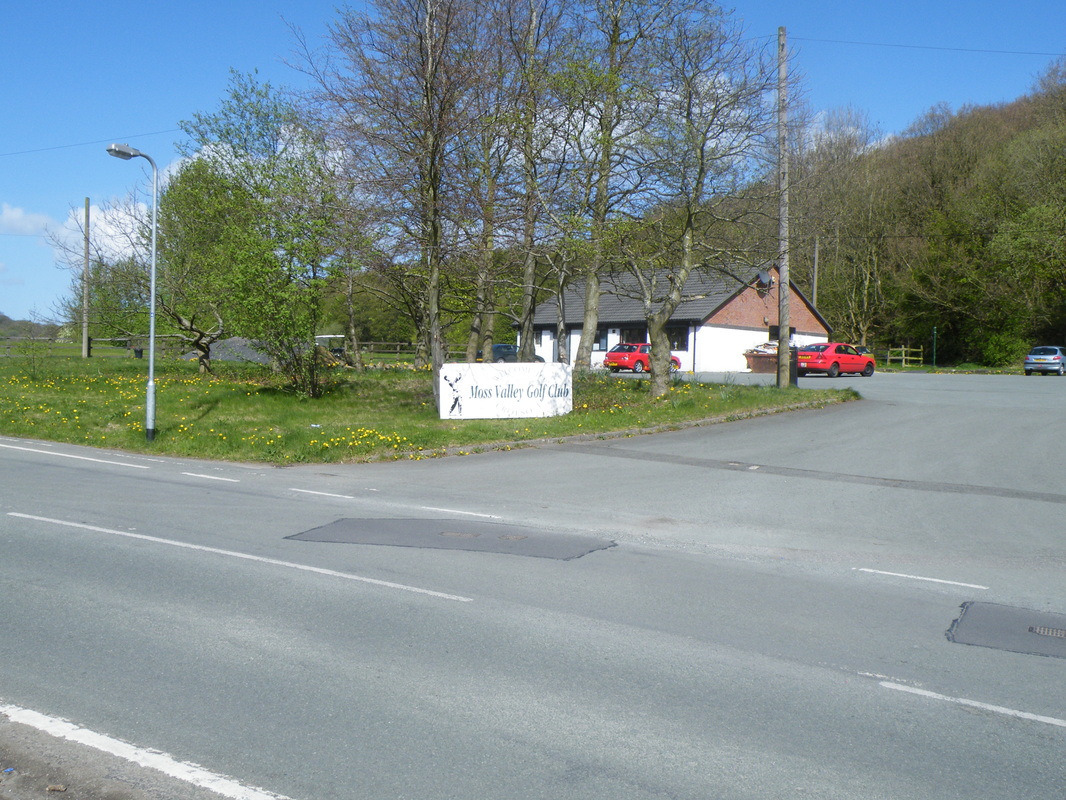
In 2000, the council announced that the public toilets had suffered severe vandalism, and were closed in 2001 and demolished soon after. After much vandalism and fly tipping, the fishing plinths and existing park benches were removed. Furthermore, the existing golf course moved from its existing location in the valley to just over the road, in the Moss Village.
The area's two public houses, The Halfway and The King's Head,closed in the late 90's due to lack of custom and the area's high crime rate.
Throughout the late 1980s and 1990s, the park was subject to a high level of vandalism. Many of the public features, including picnic benches, litter bins, gates and jetties, were forced to be removed after being in a state of "beyond repair".
When Wrexham CBC took over from Clwyd County Council in 1996,many cuts were scheduled. From that year, the boating lake ceased to serve its original purpose, and its storage facilities and jetty were removed.
In 2000, the council announced that the public toilets had suffered severe vandalism, and were closed in 2001 and demolished soon after. After much vandalism and fly tipping, the fishing plinths and existing park benches were removed. Furthermore, the existing golf course moved from its existing location in the valley to just over the road, in the Moss Village.
The area's two public houses, The Halfway and The King's Head,closed in the late 90's due to lack of custom and the area's high crime rate.
Restoration
However, in early 2004,the area was given a large re-generation boost, yet again, but most controversially, fishing would only be permitted to permit holders only.
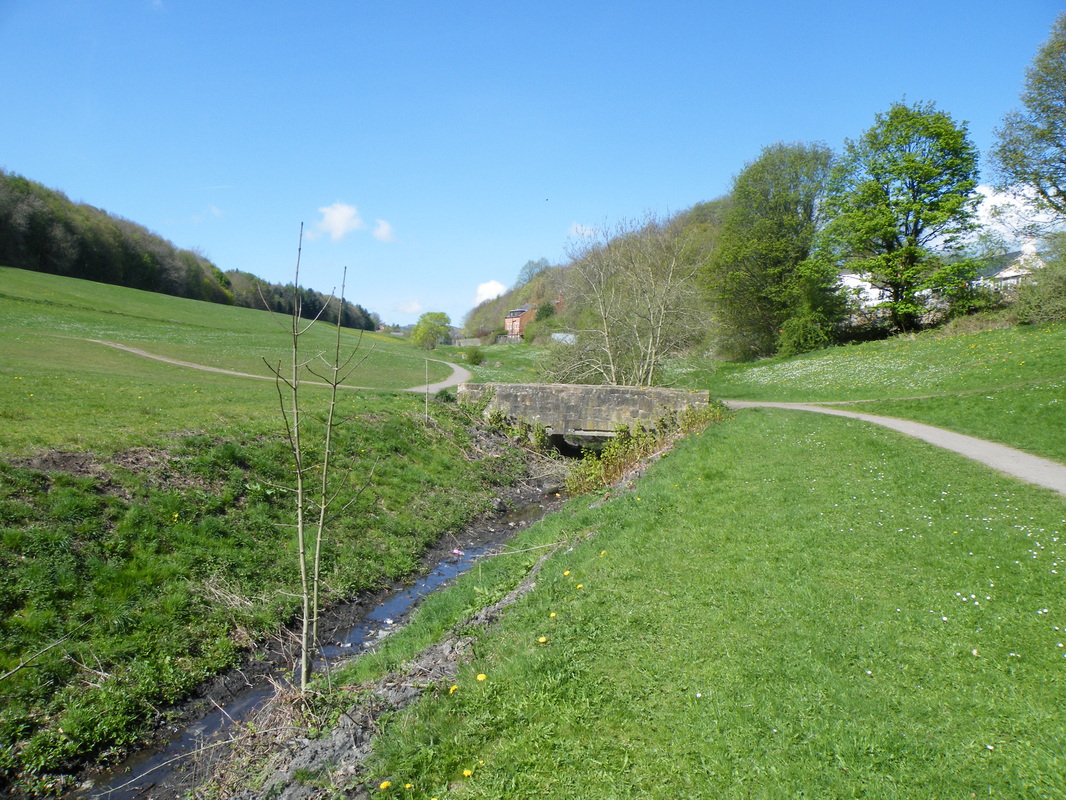
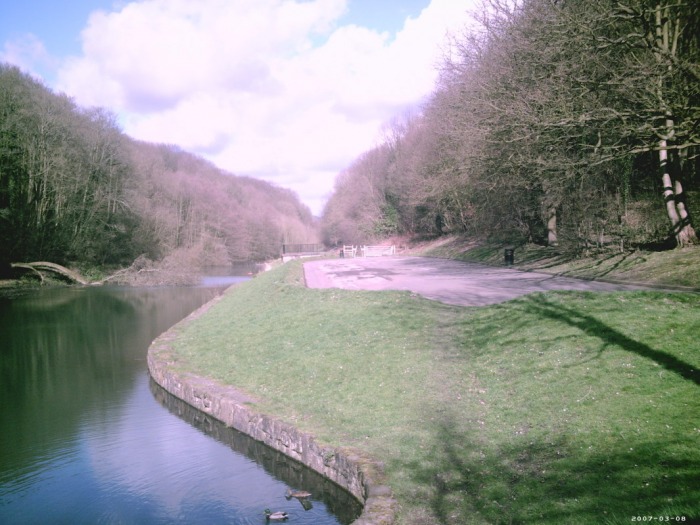
Both lakes were thouroghly cleaned, and large mounds of debris from the two were formed. Many paths were given new surfaces, information signs and benches were erected, and bridges were repaired.
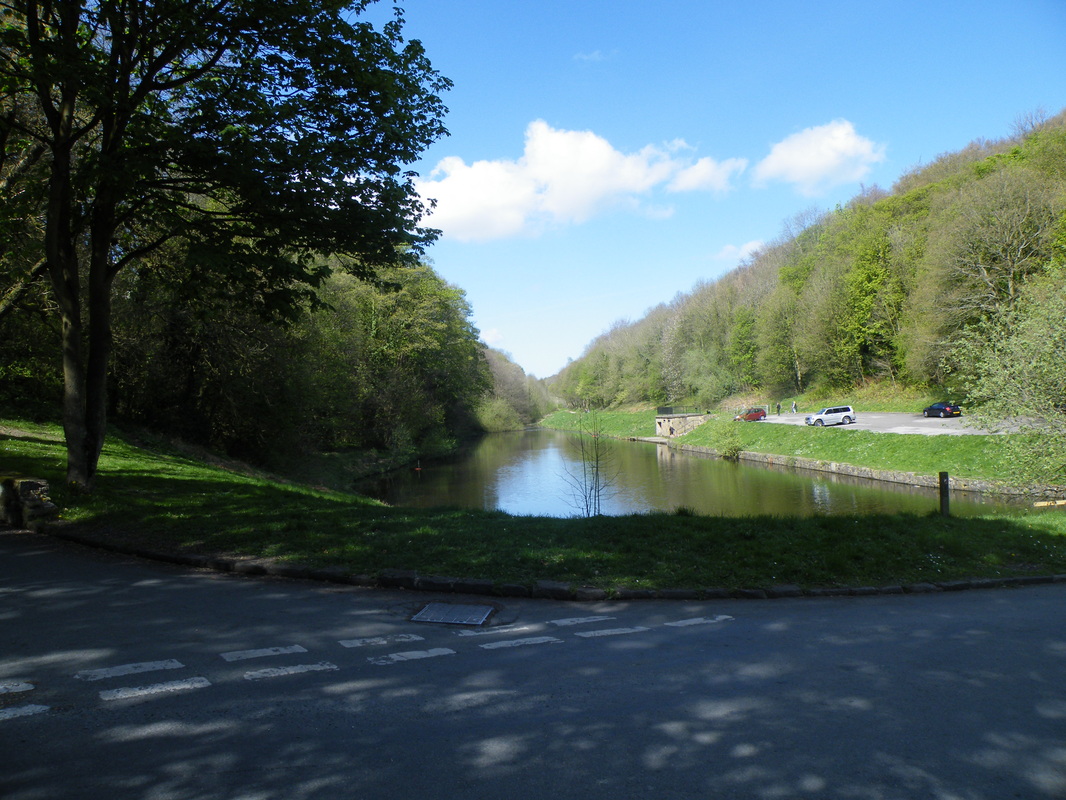
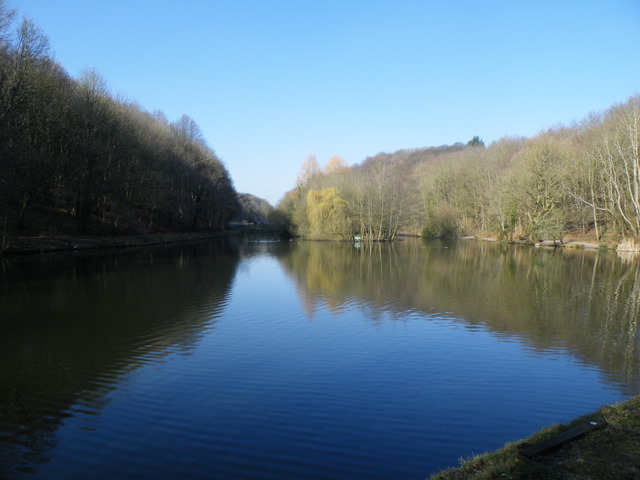
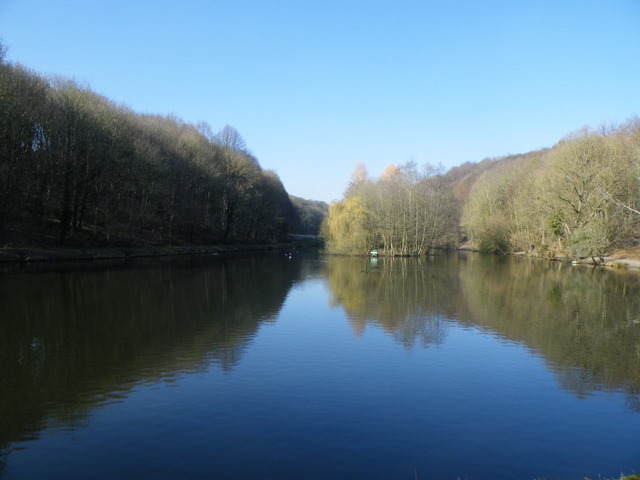
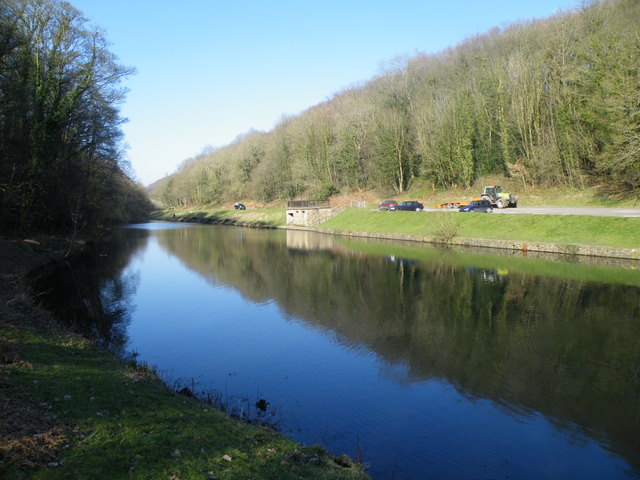
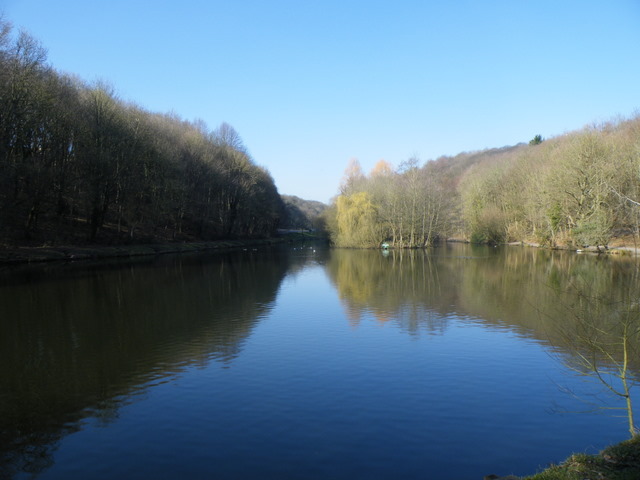
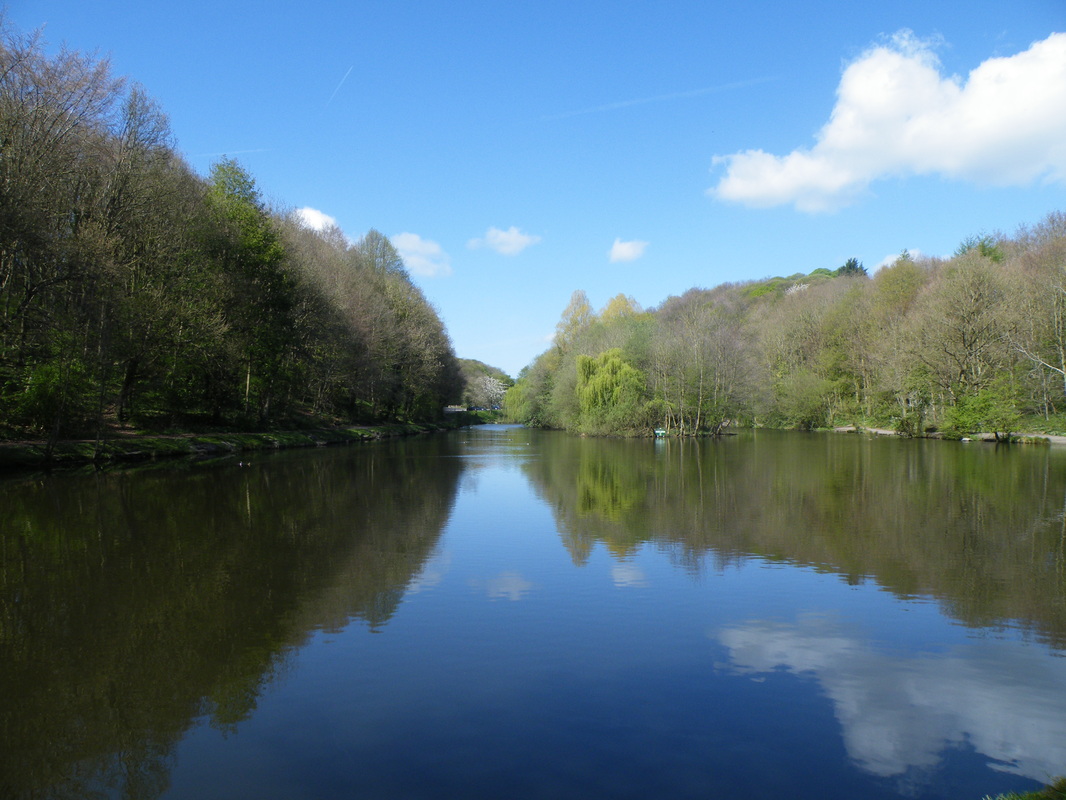
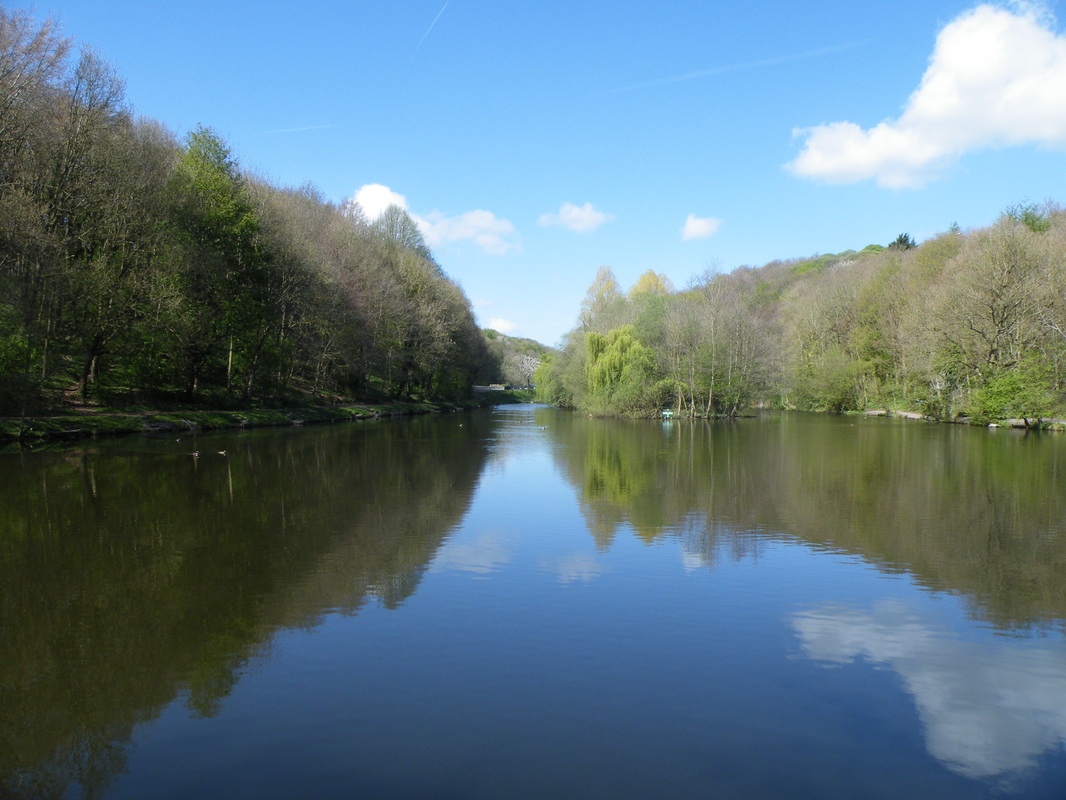
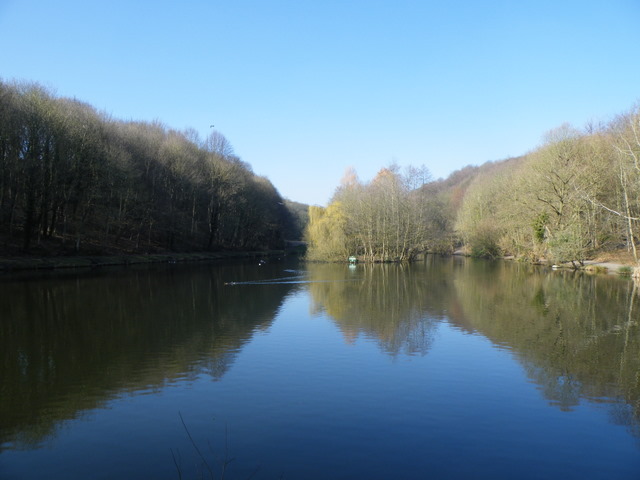
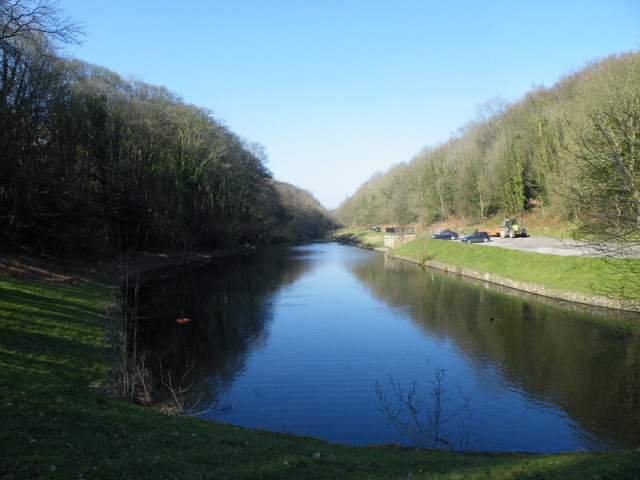
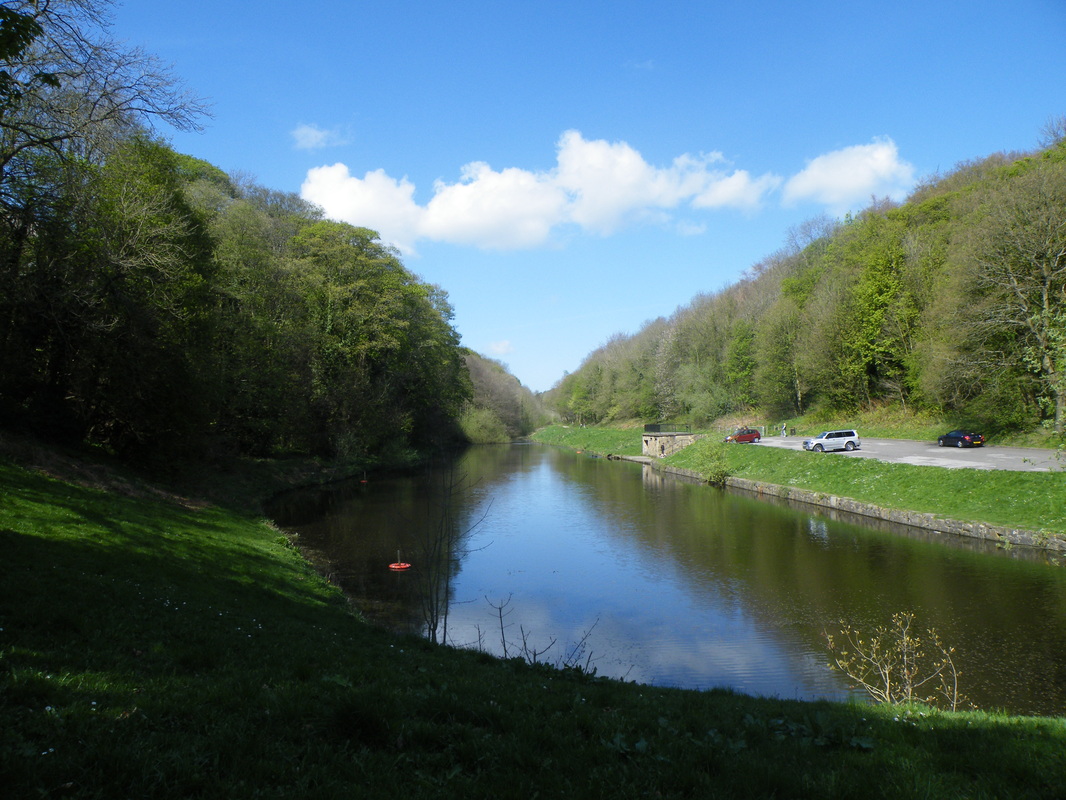
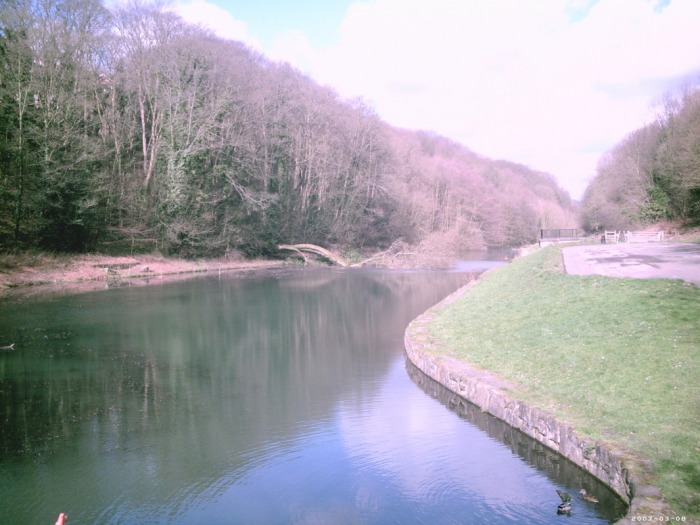
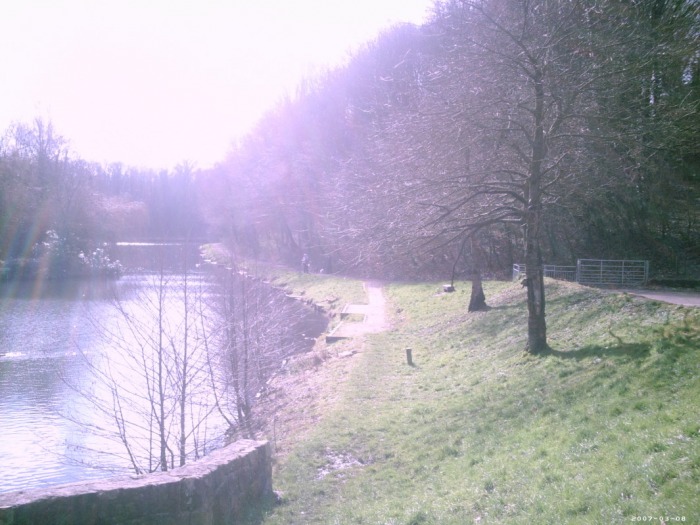
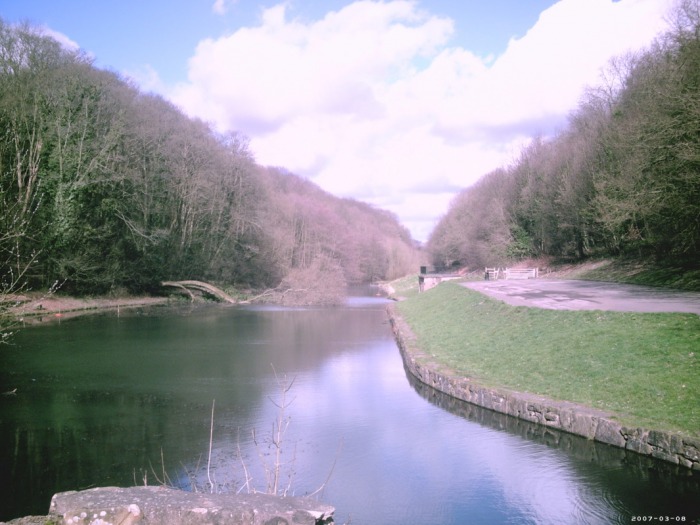
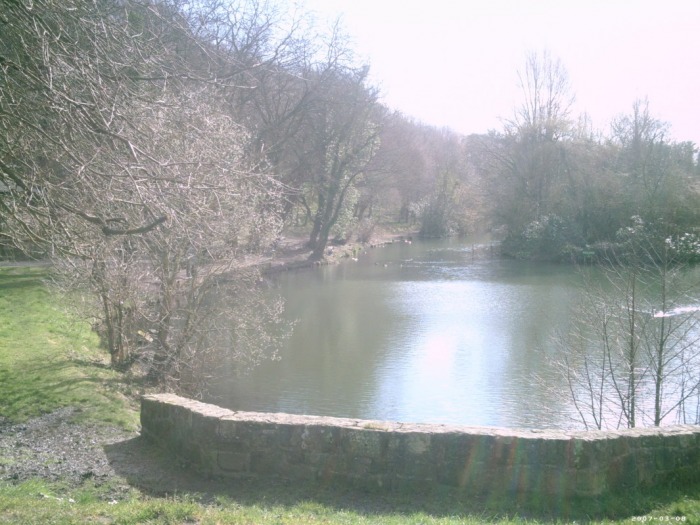
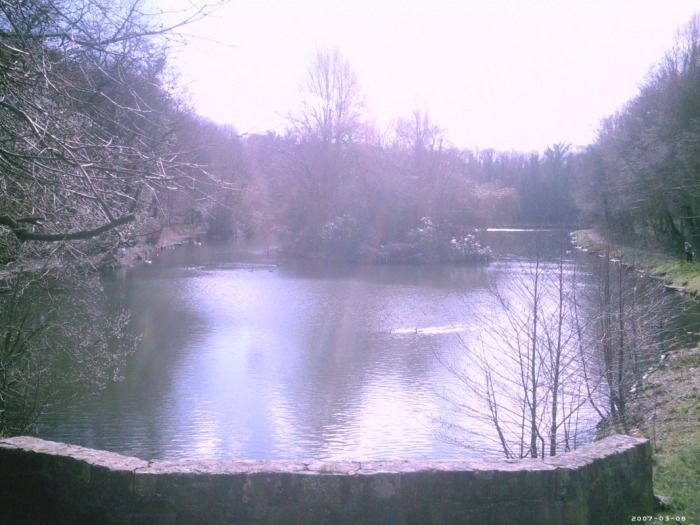
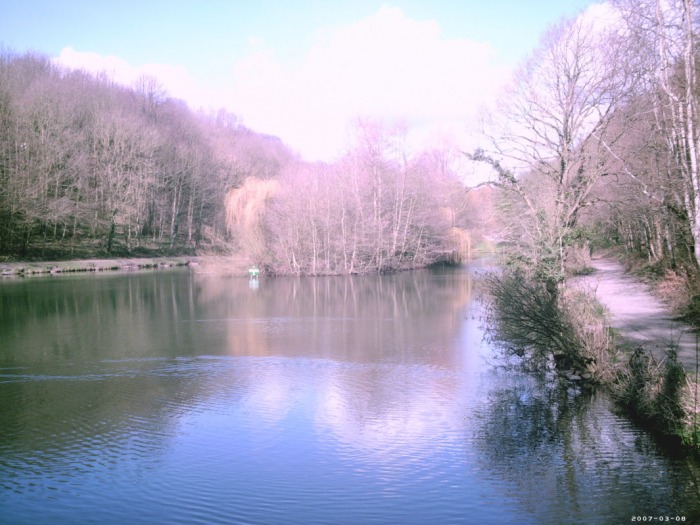
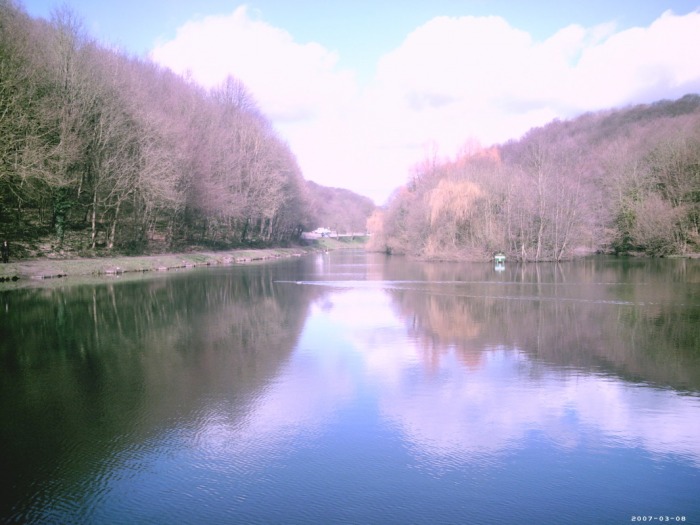
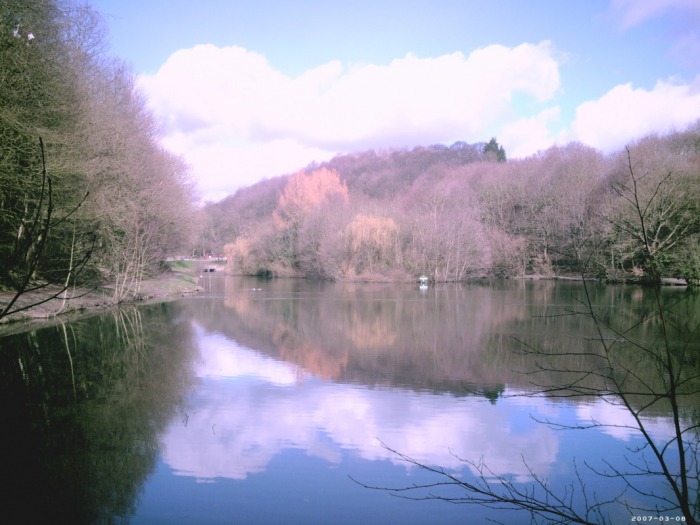
The former boating lake was given a new lease of life and became "The Nature Lake" and hundreds of water plants, including Bulrushes and Water Lillies, were added to the once murky water. Many species of fish and ducks can now be found in the lakes, a sure sign of an improvement.
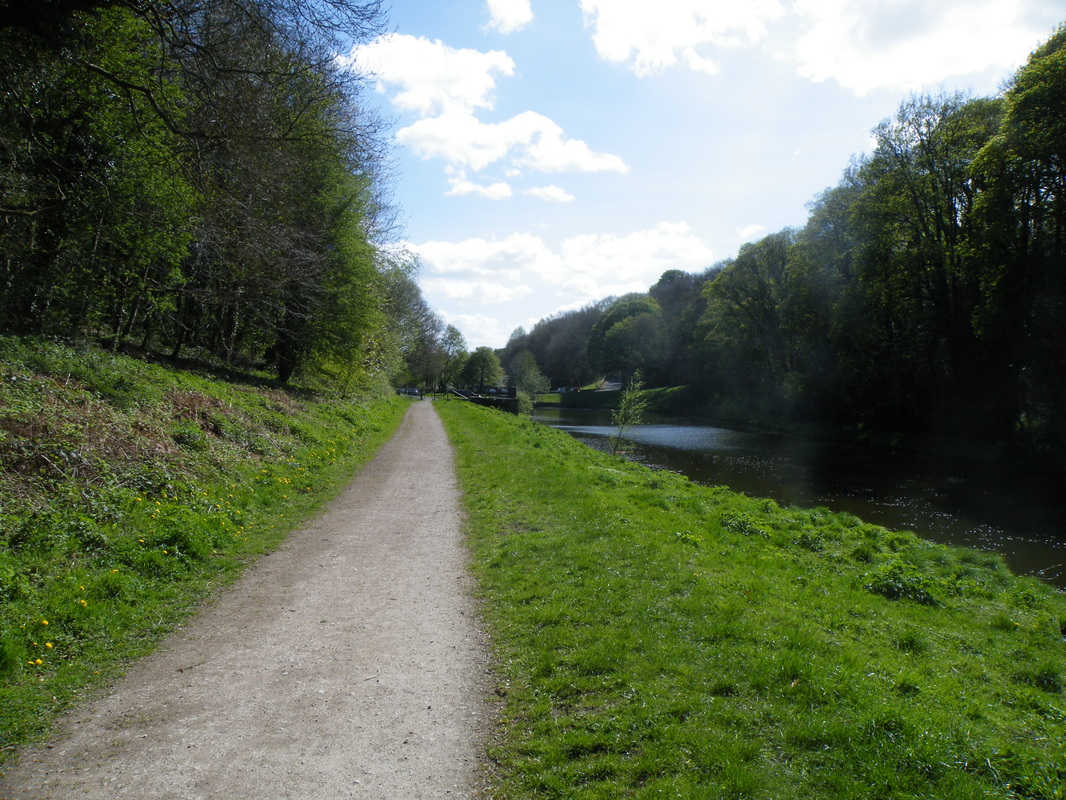
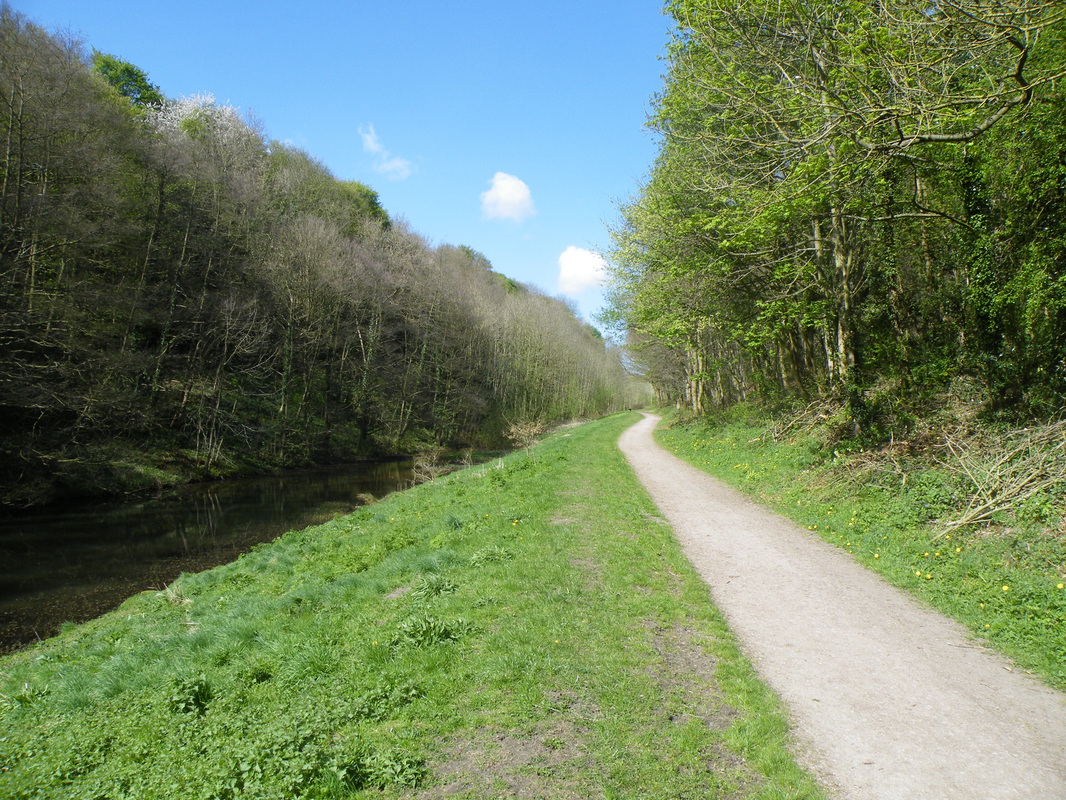
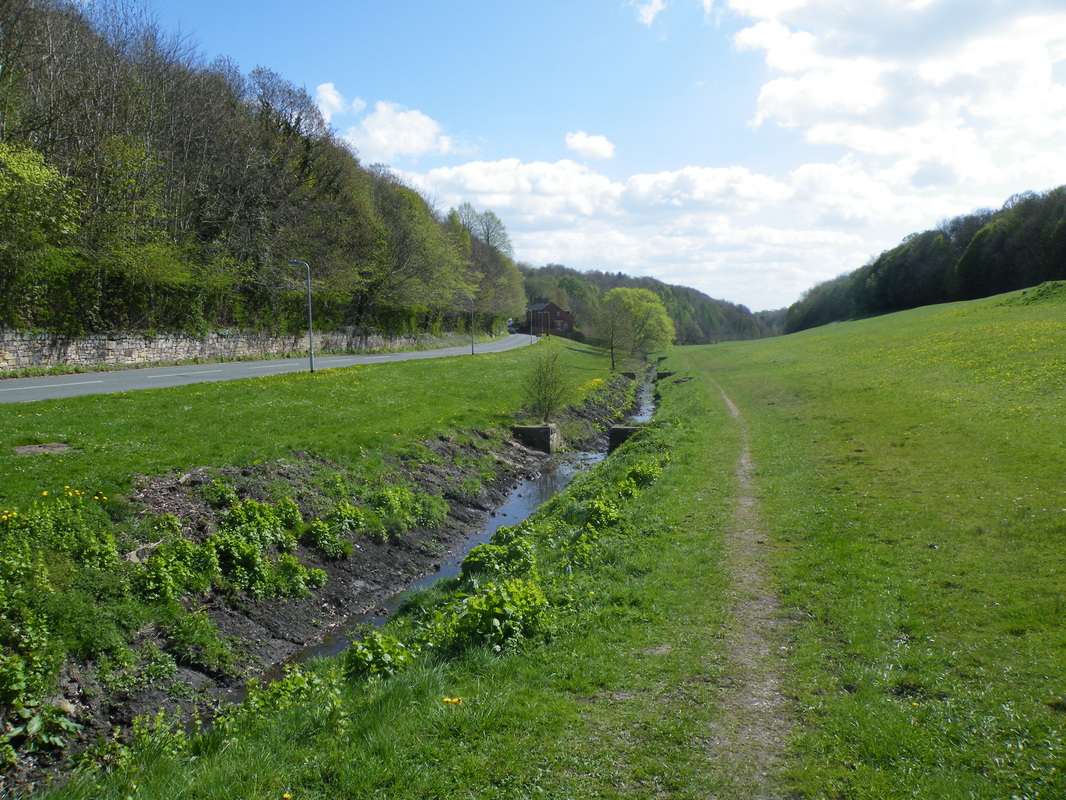
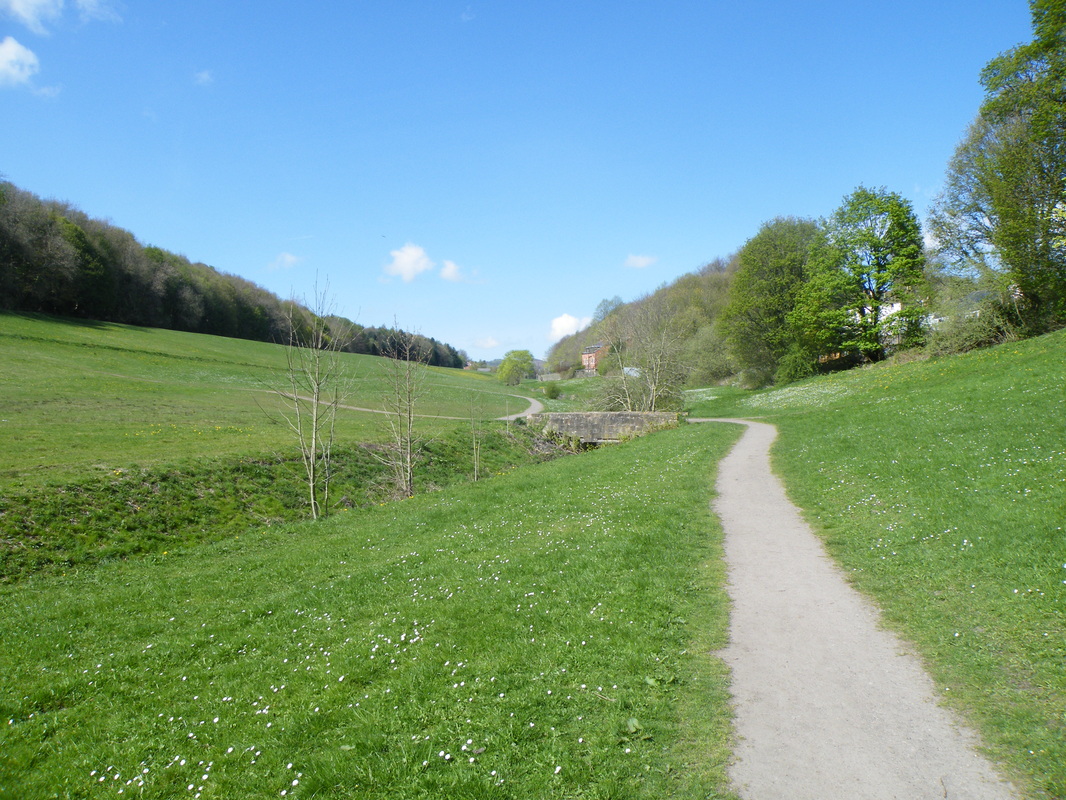
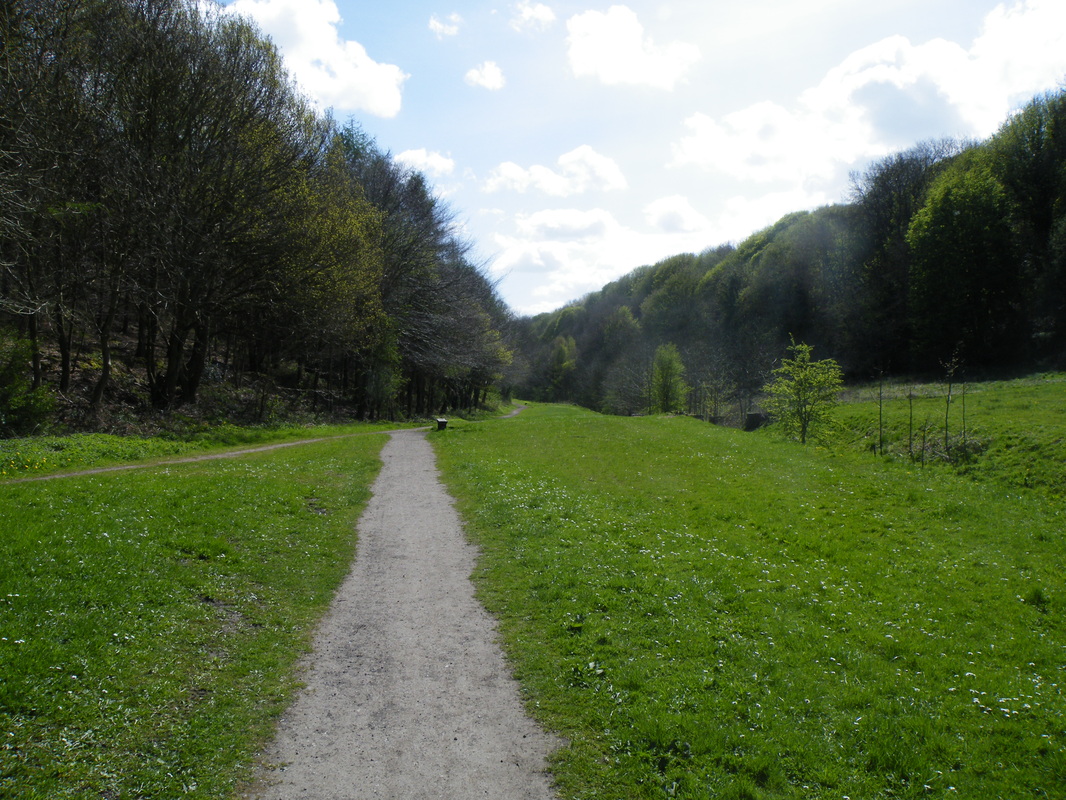
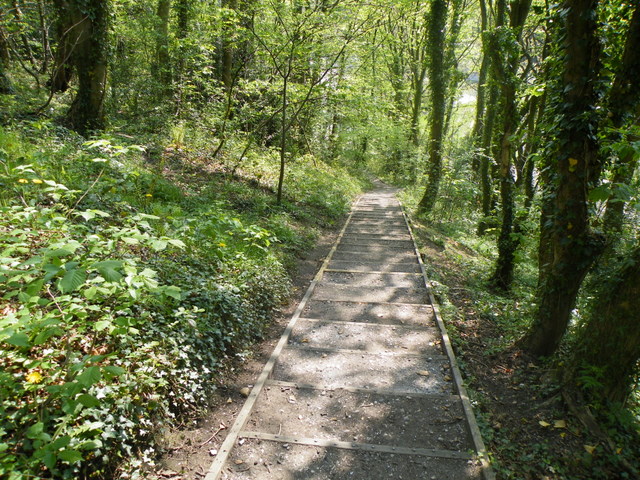
Many of the former railway trackbeds were transformed into nature walks, and steps were installed on banks. Gates and fences were erected to prevent the use of motorvehicles in the lake areas. However, the former "boat-house" remain empty.
In 2005, the playground was gradually removed, and in January 2007 a new playground was built, opening in March 2007. The major funding of this project came from a local company, Groundworks V, who have also funded various other projects in the region.
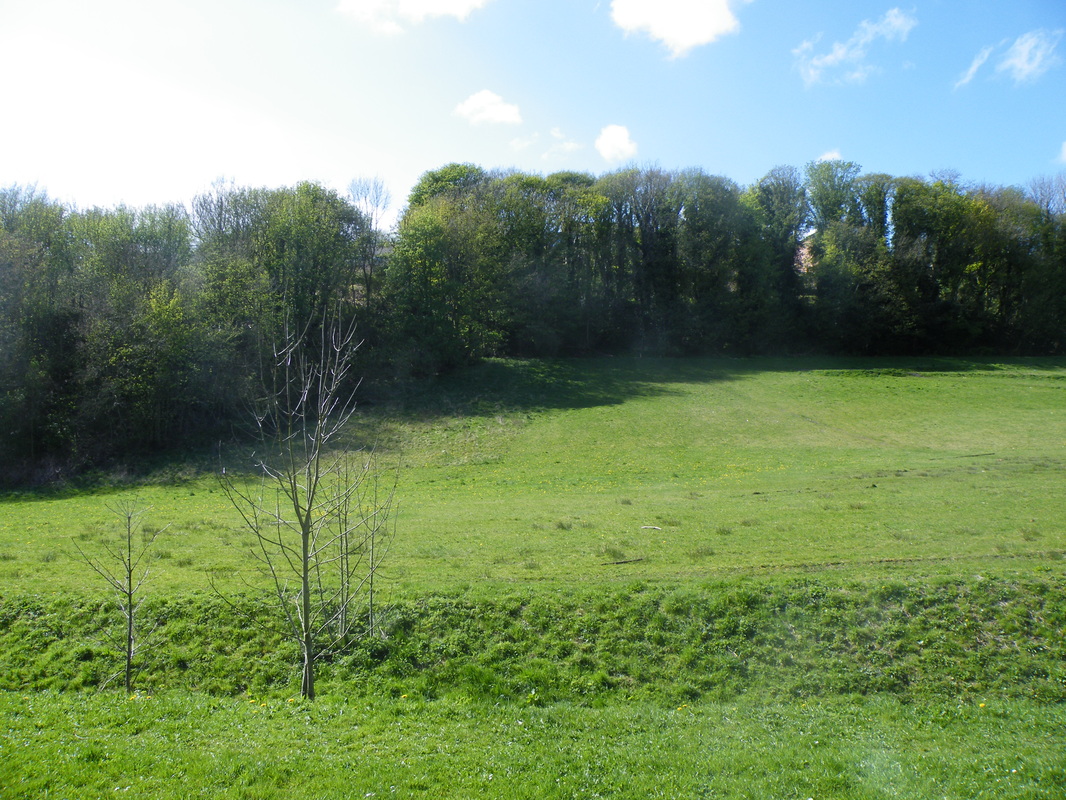
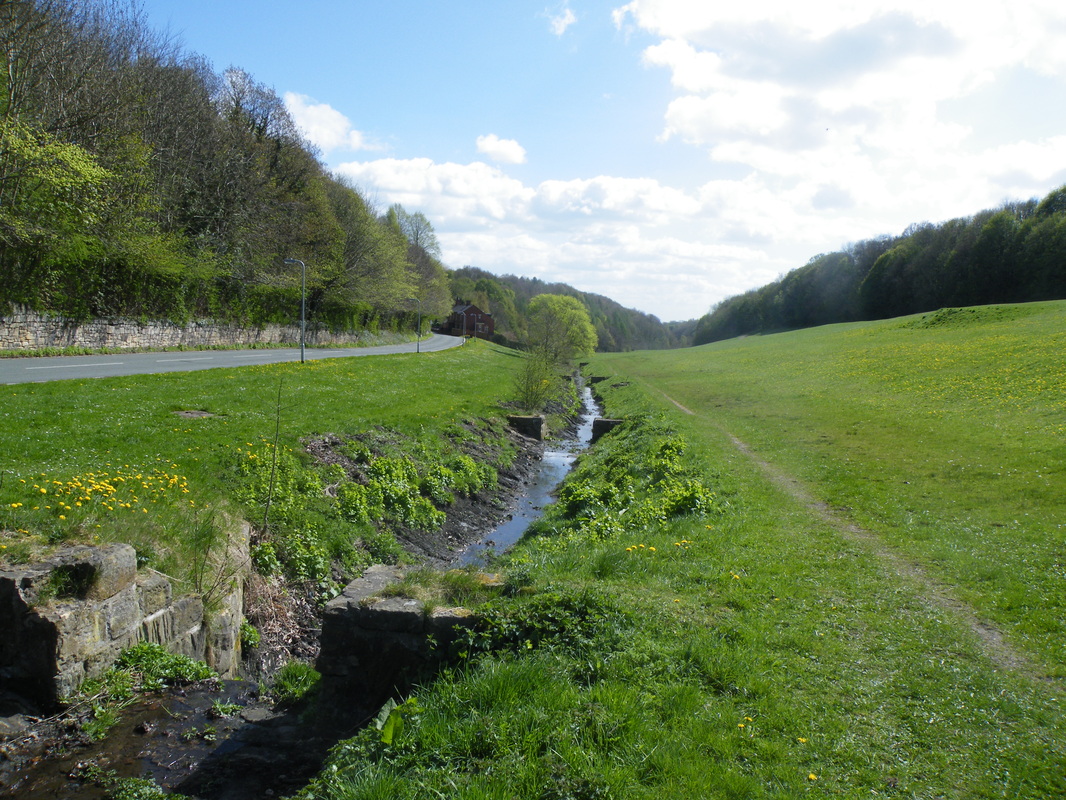
The area is now an official country park and attracts many visitors including those interested in its industrial history and its wildlife amongst its waters and woodlands.
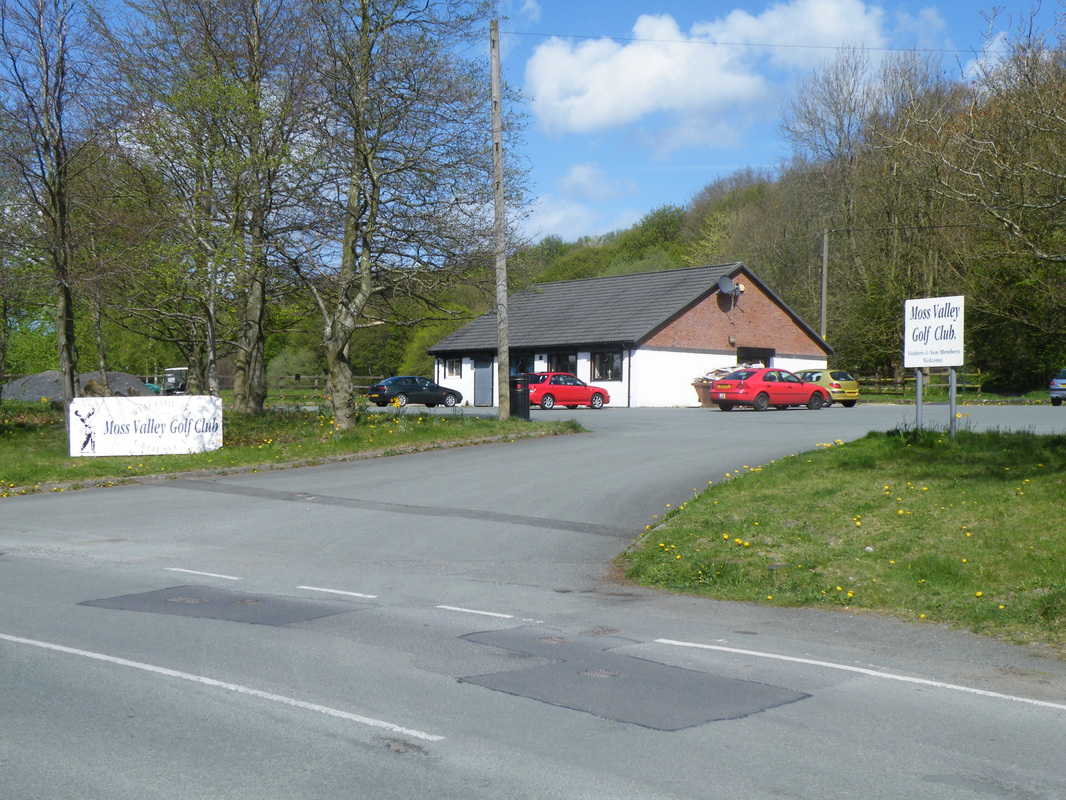
It highly successful golf club still provides to its newer course, just over the road from the original one.
However, in early 2004,the area was given a large re-generation boost, yet again, but most controversially, fishing would only be permitted to permit holders only.
Both lakes were thouroghly cleaned, and large mounds of debris from the two were formed. Many paths were given new surfaces, information signs and benches were erected, and bridges were repaired.
The former boating lake was given a new lease of life and became "The Nature Lake" and hundreds of water plants, including Bulrushes and Water Lillies, were added to the once murky water. Many species of fish and ducks can now be found in the lakes, a sure sign of an improvement.
Many of the former railway trackbeds were transformed into nature walks, and steps were installed on banks. Gates and fences were erected to prevent the use of motorvehicles in the lake areas. However, the former "boat-house" remain empty.
In 2005, the playground was gradually removed, and in January 2007 a new playground was built, opening in March 2007. The major funding of this project came from a local company, Groundworks V, who have also funded various other projects in the region.
The area is now an official country park and attracts many visitors including those interested in its industrial history and its wildlife amongst its waters and woodlands.
It highly successful golf club still provides to its newer course, just over the road from the original one.
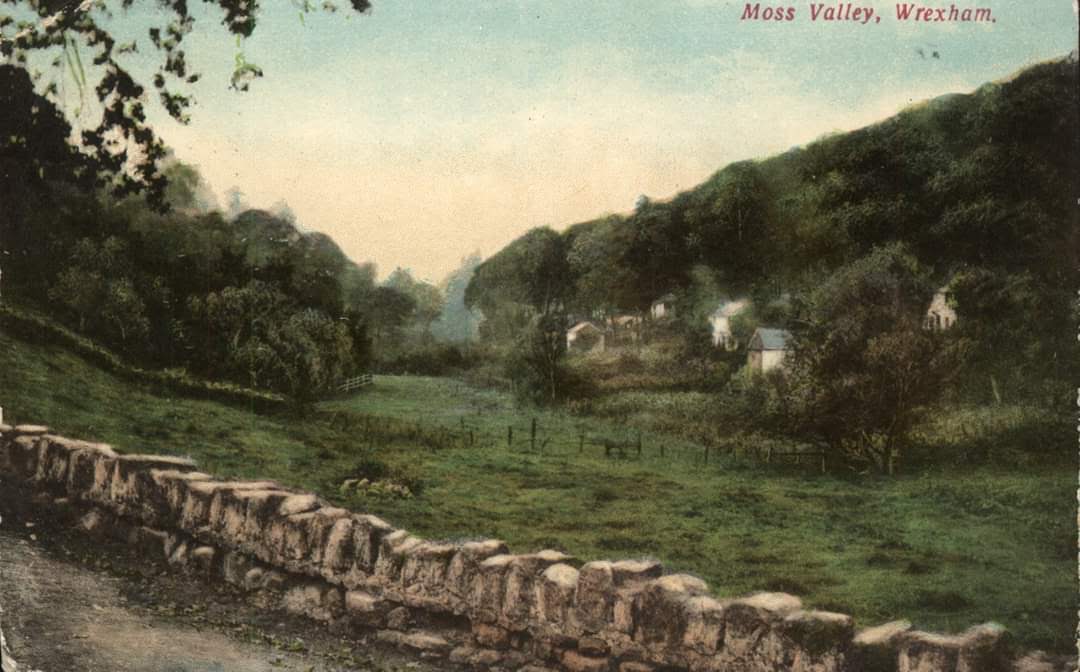
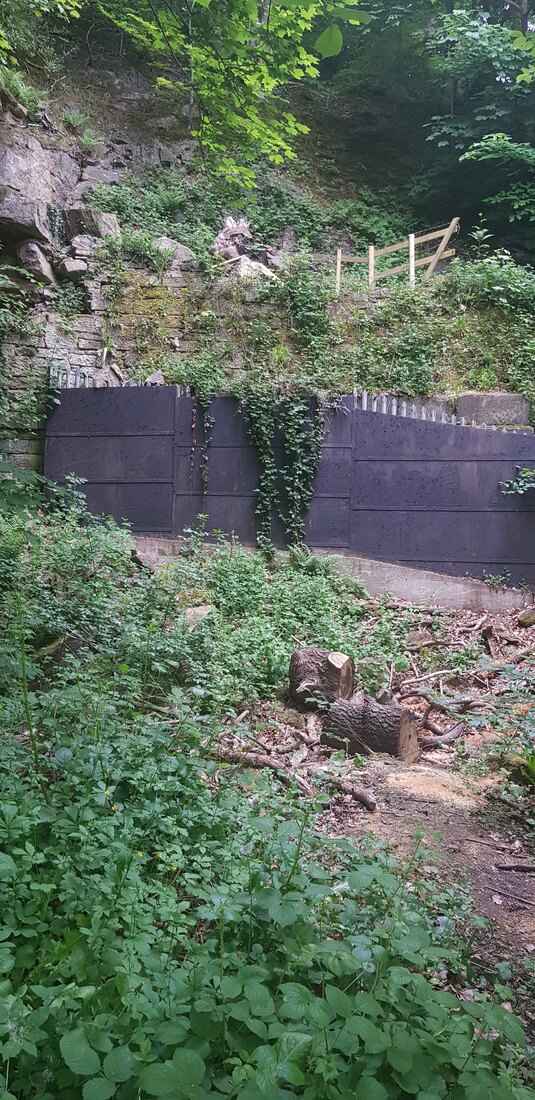
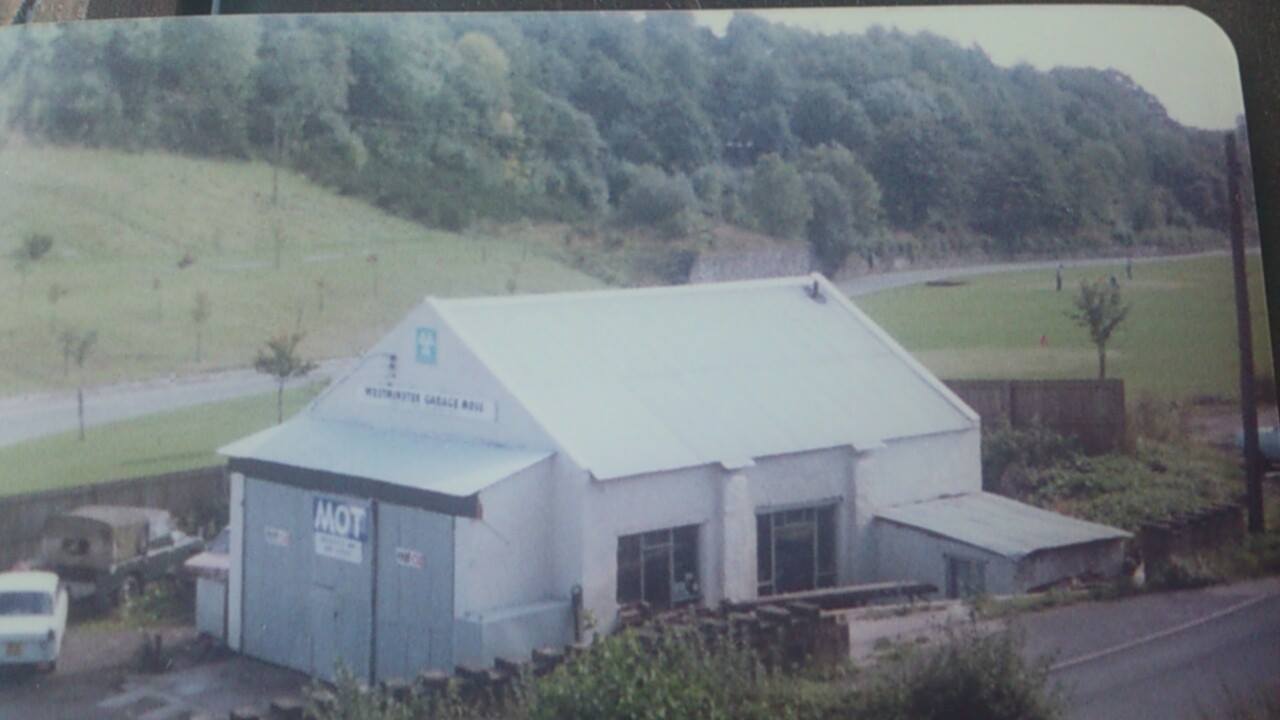
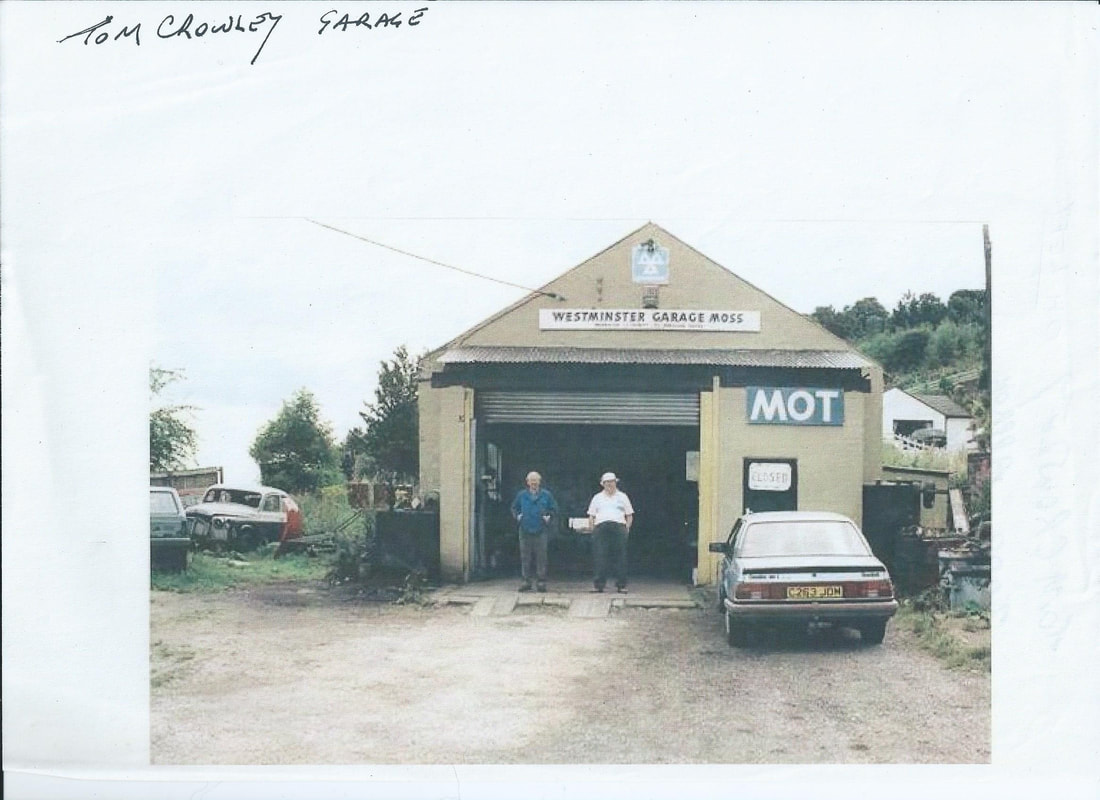
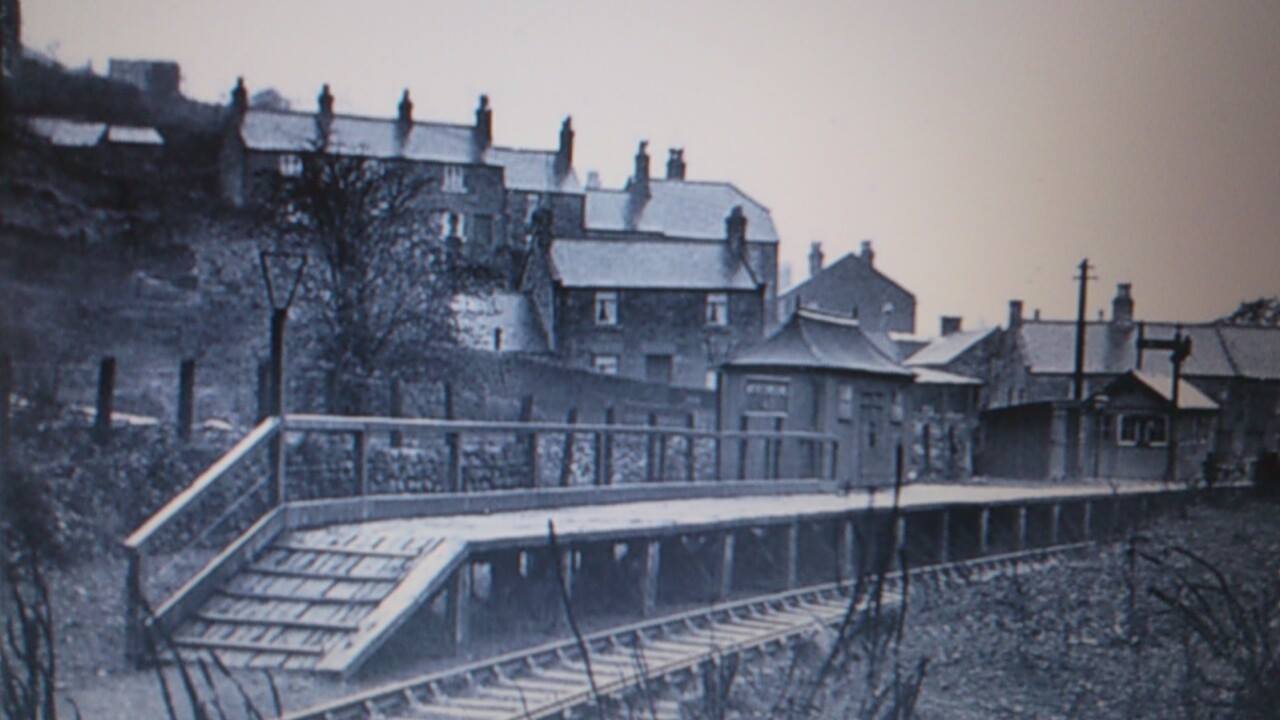
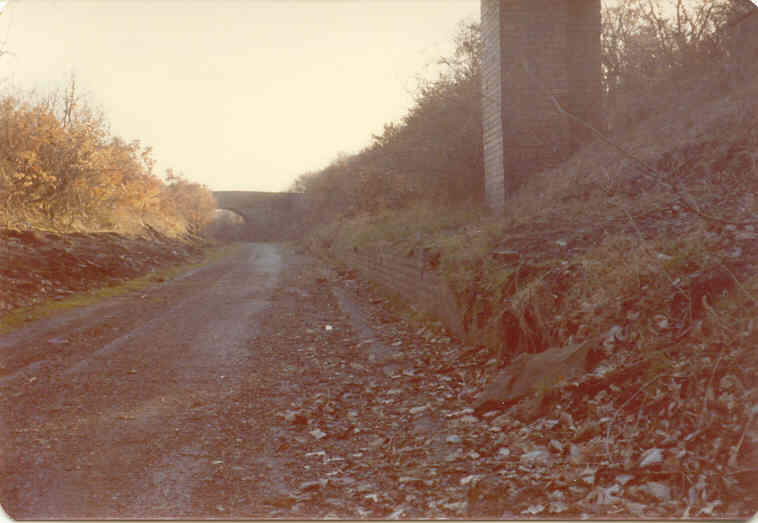
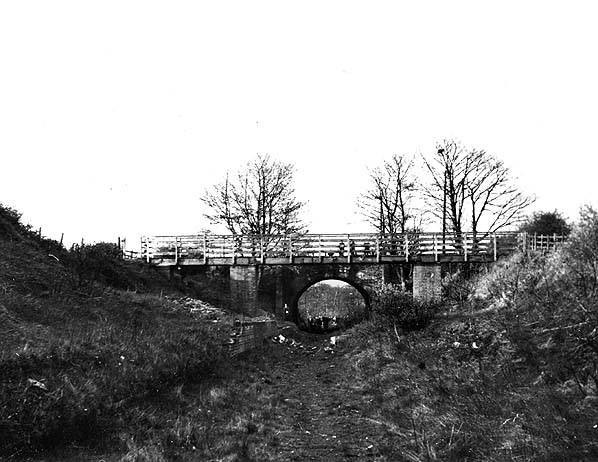
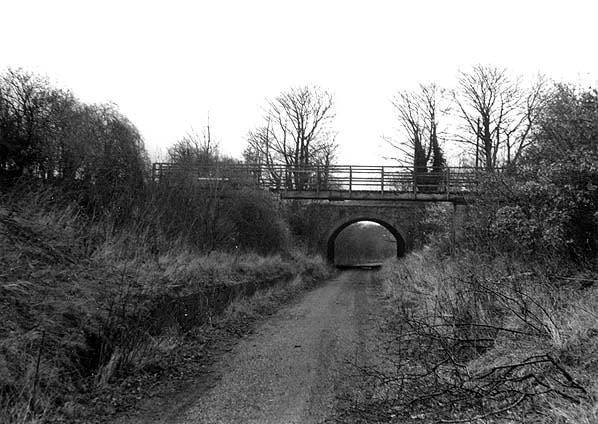
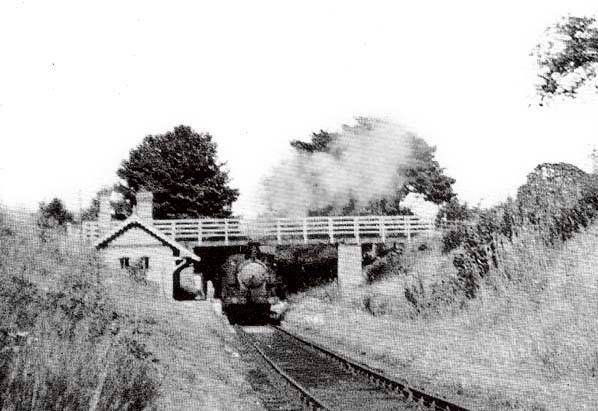
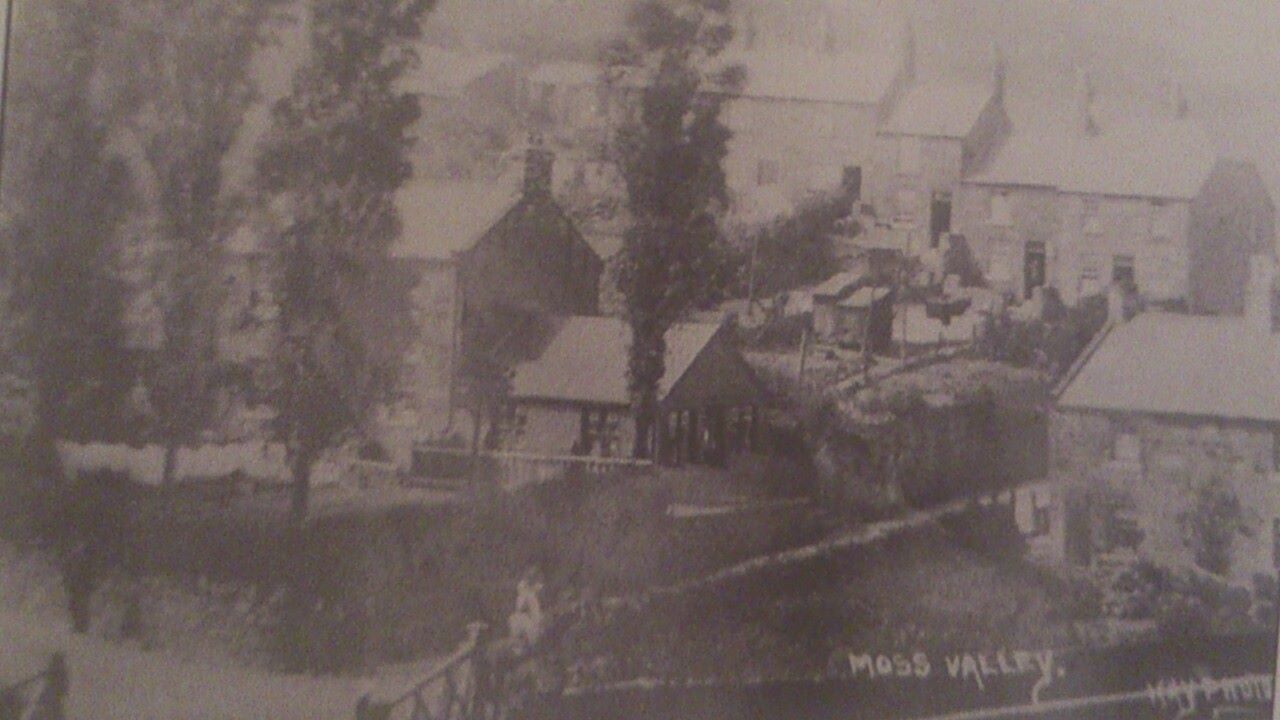
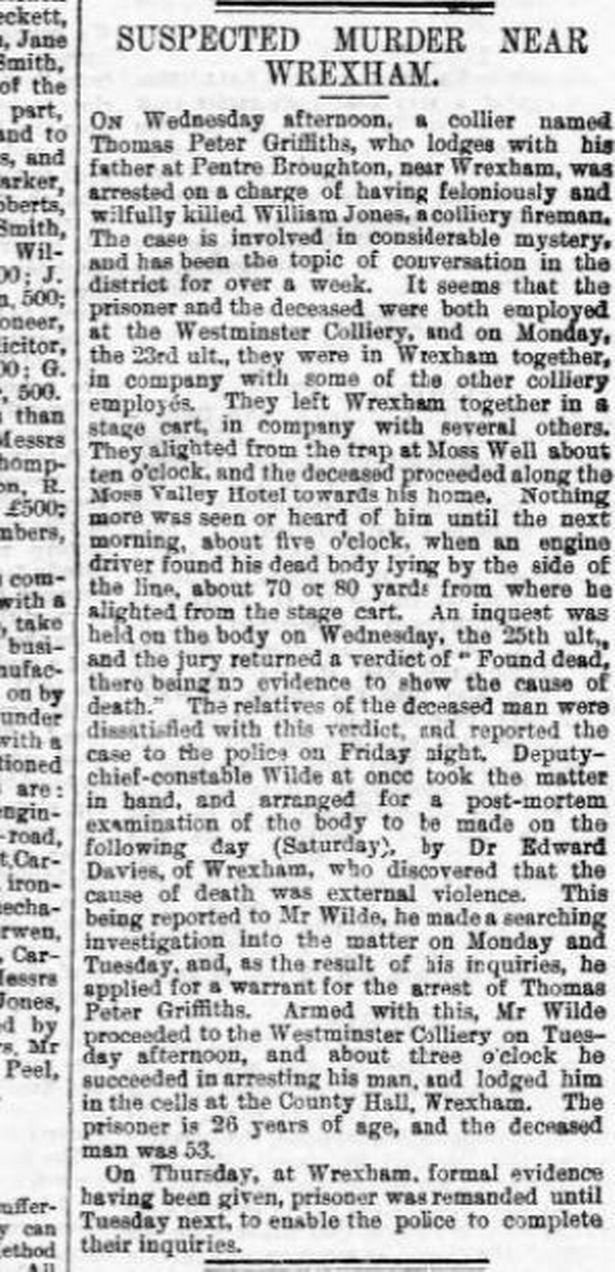
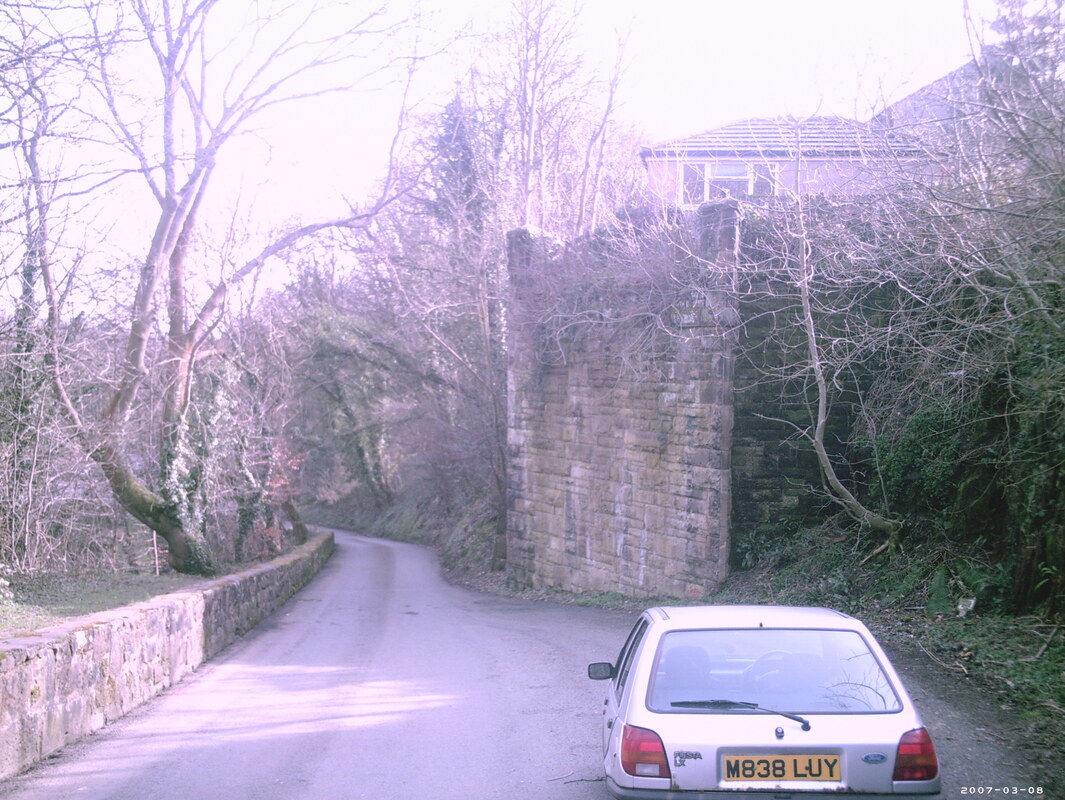
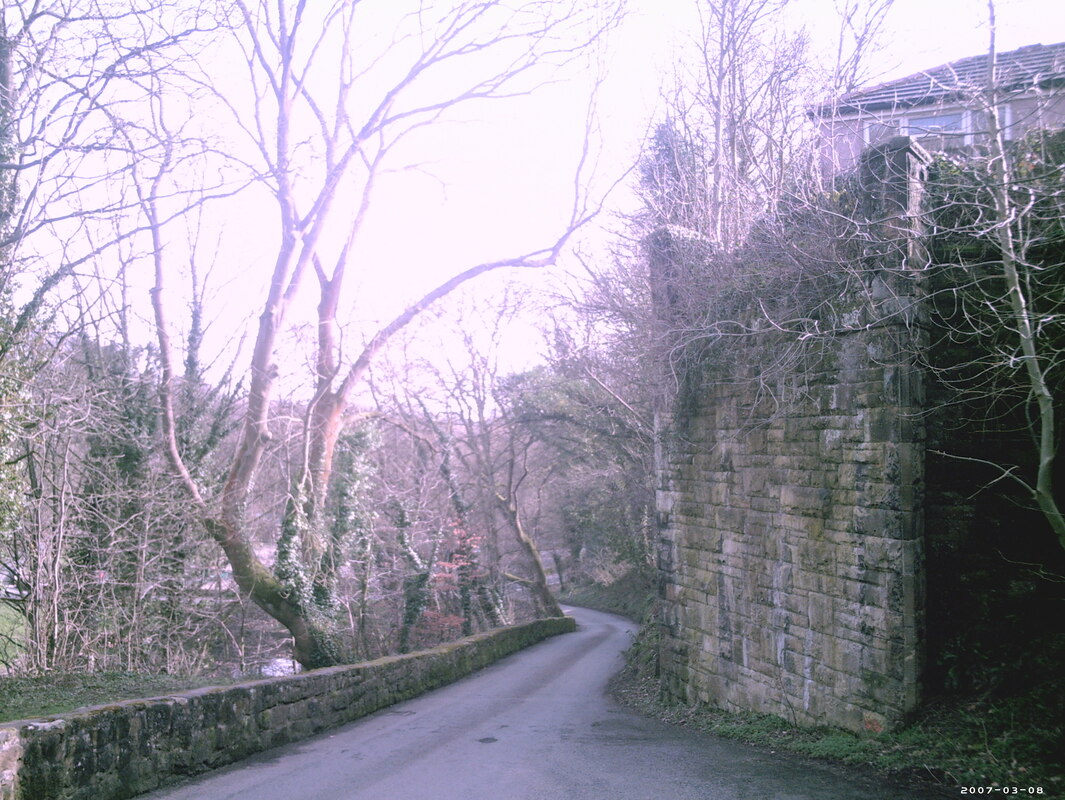
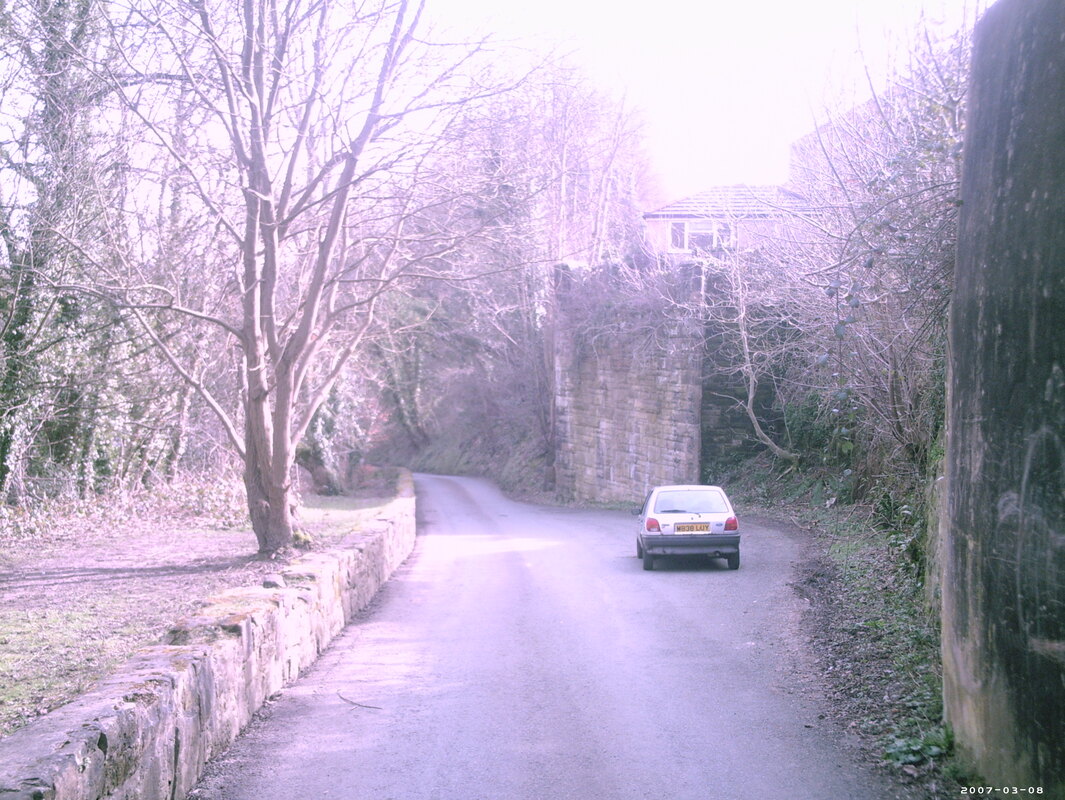
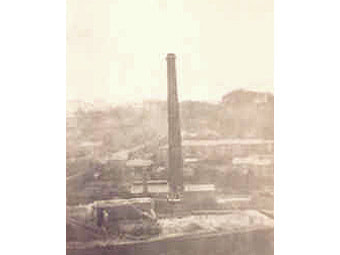
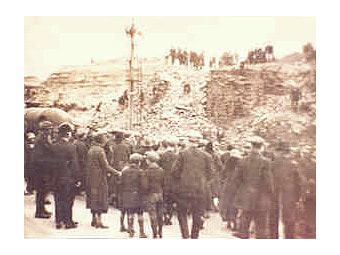
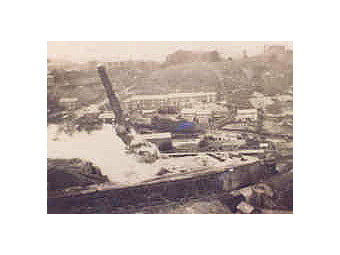
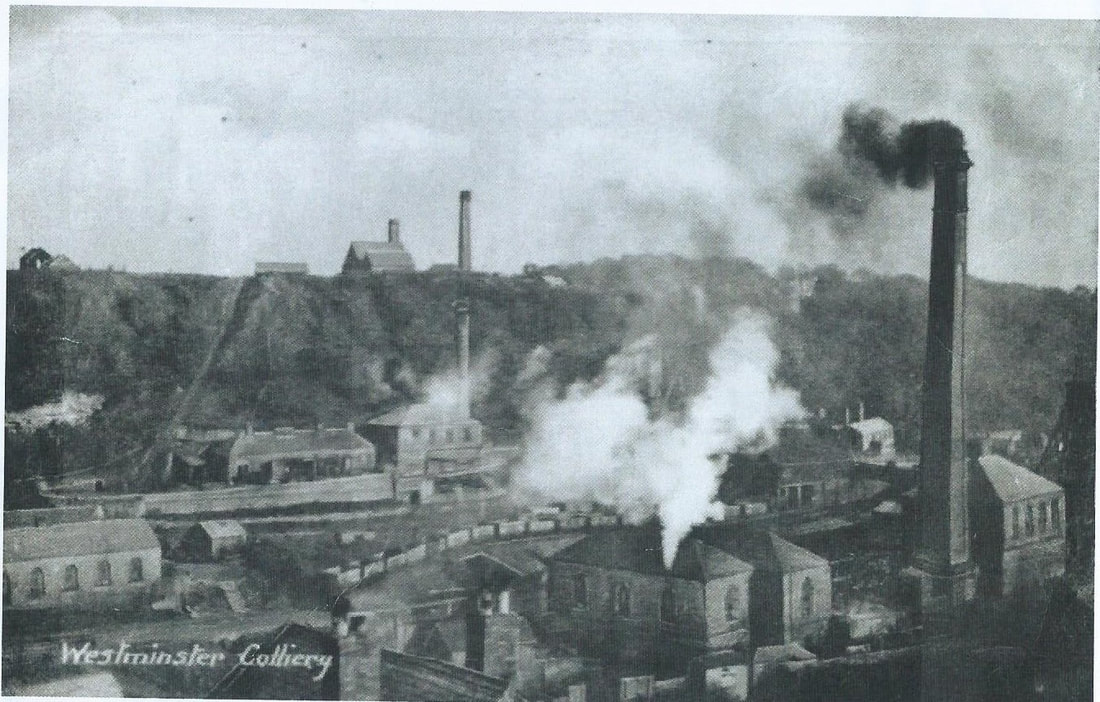
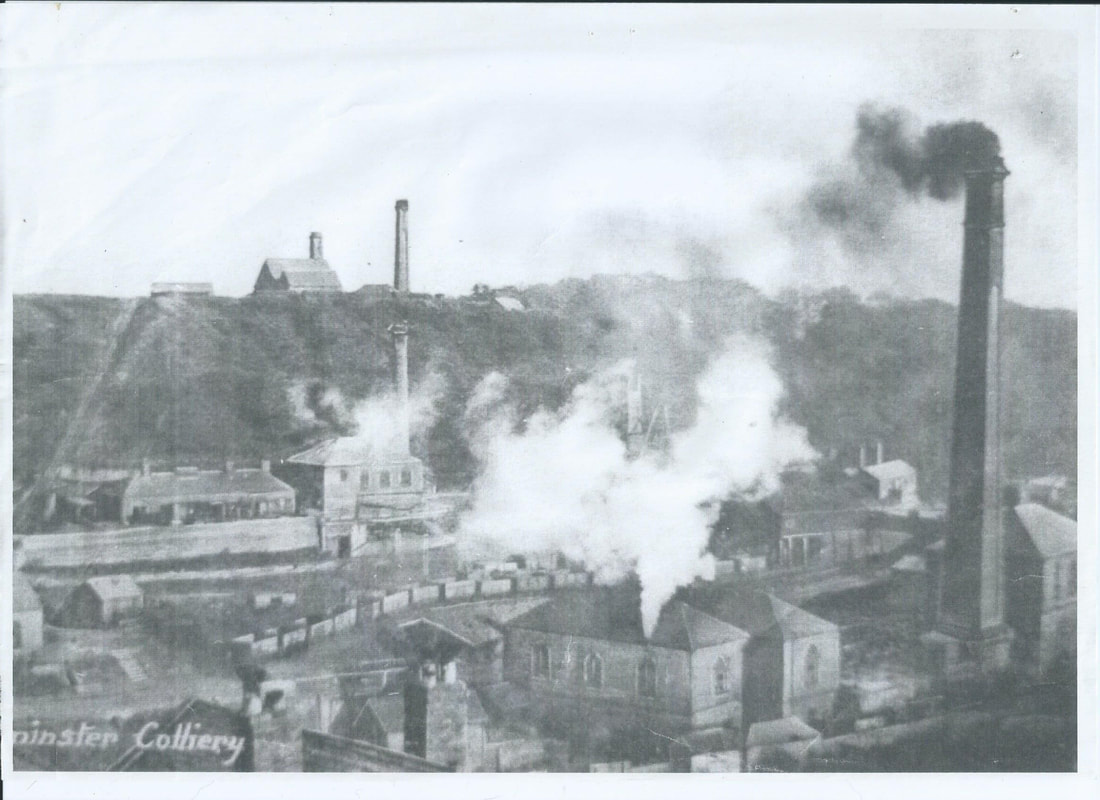
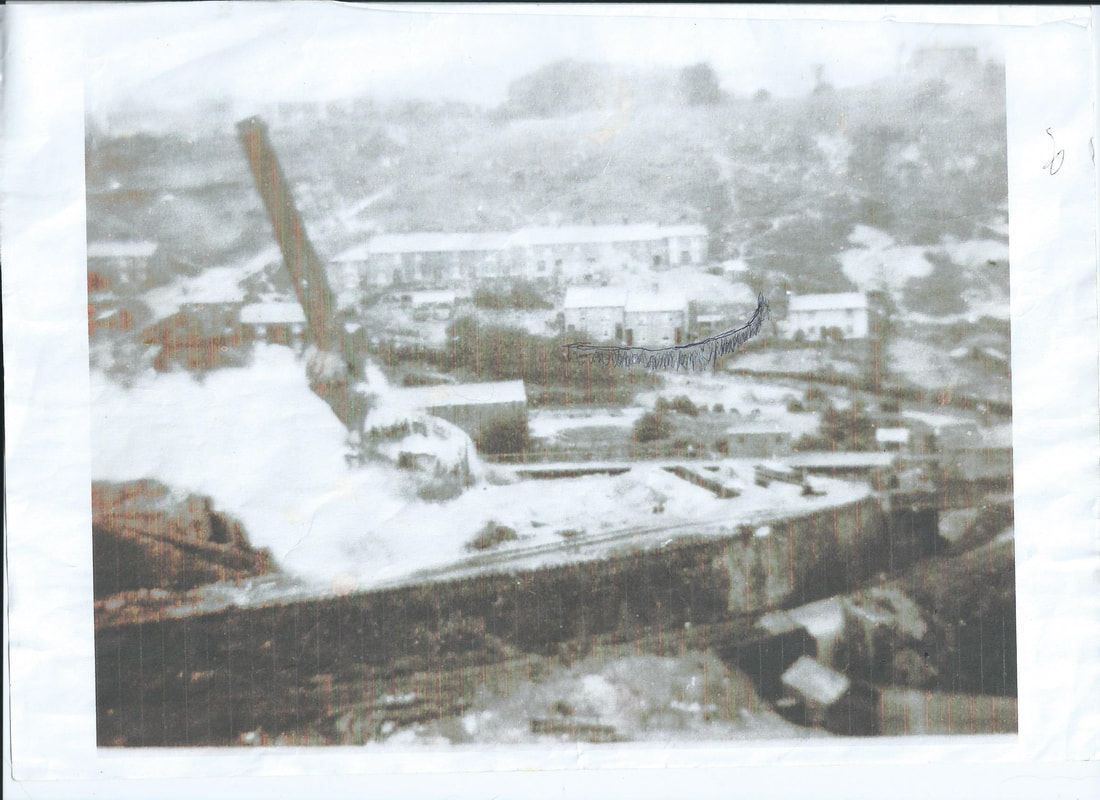
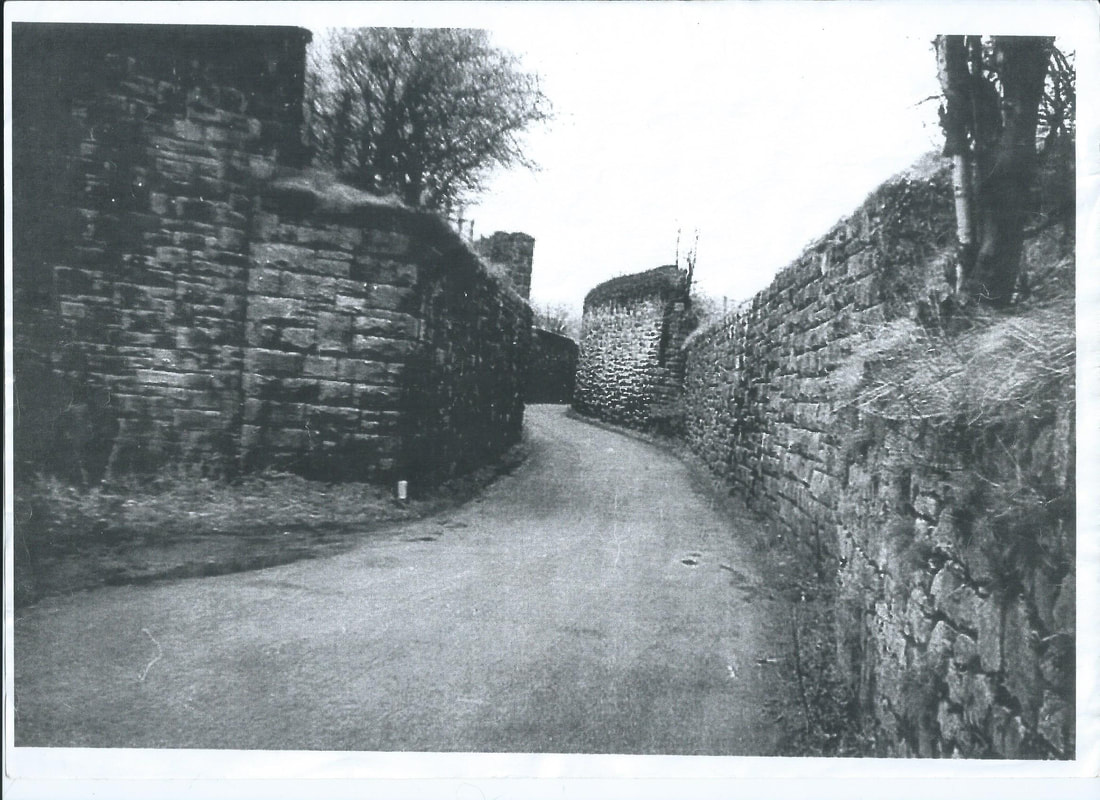
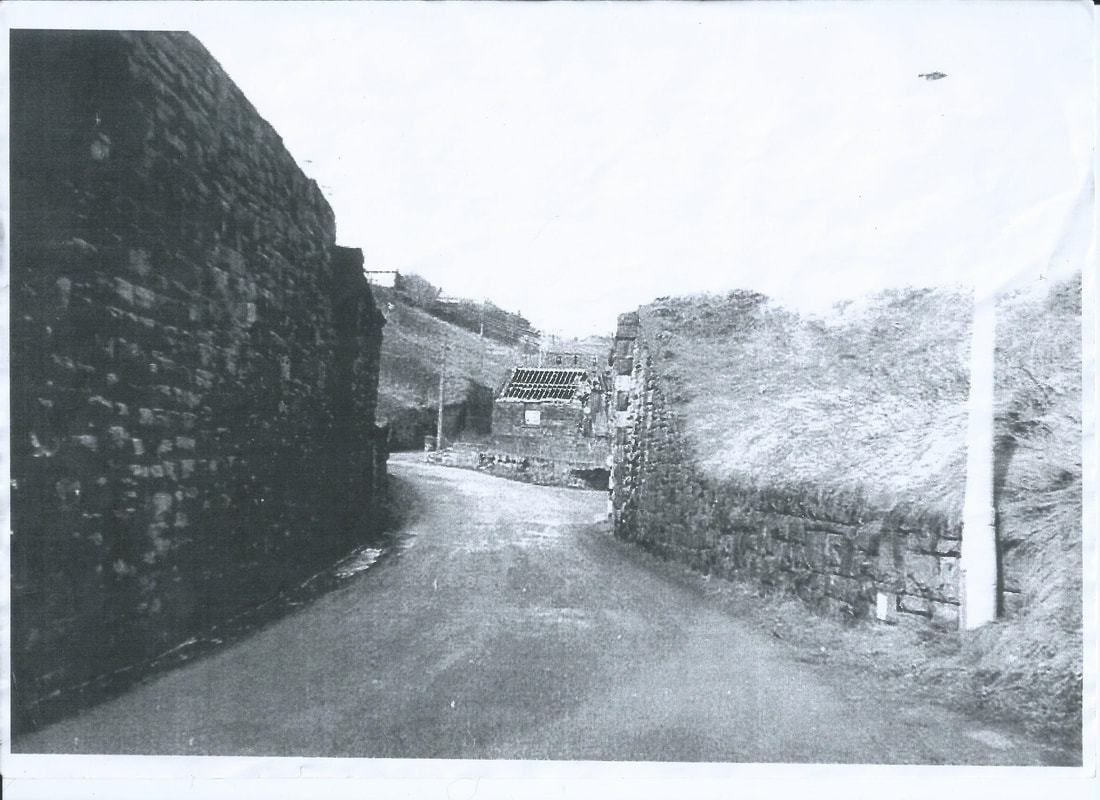
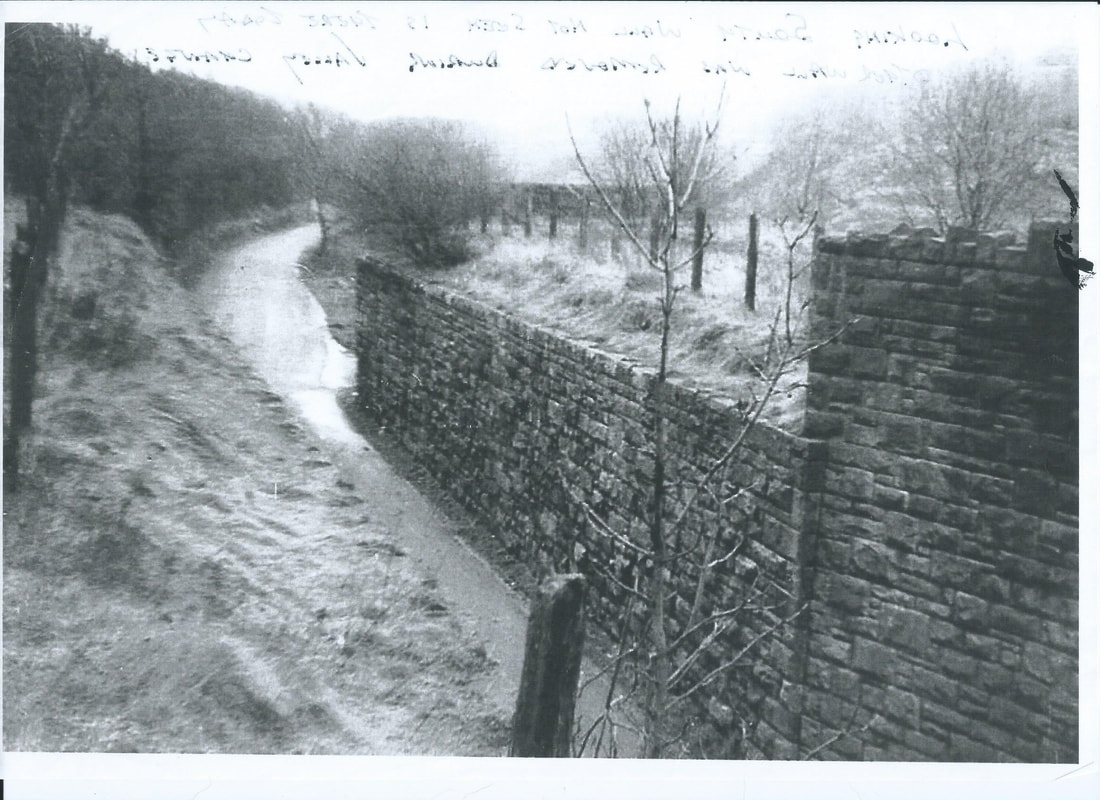
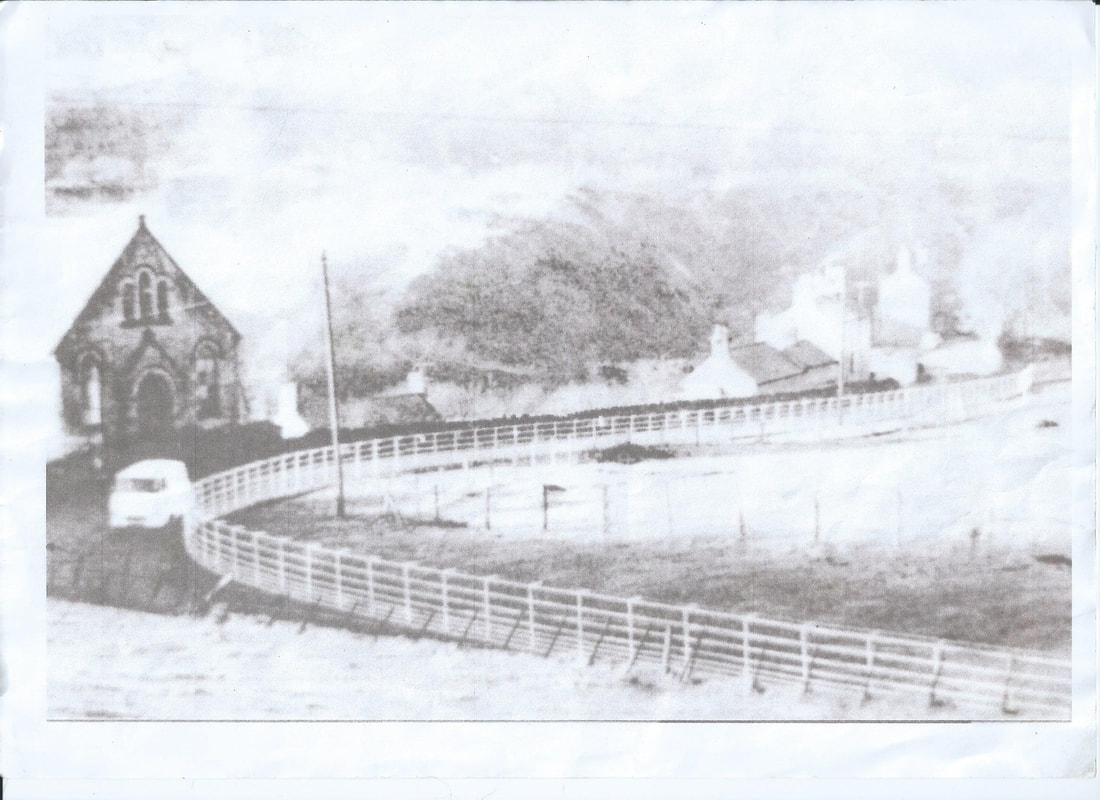
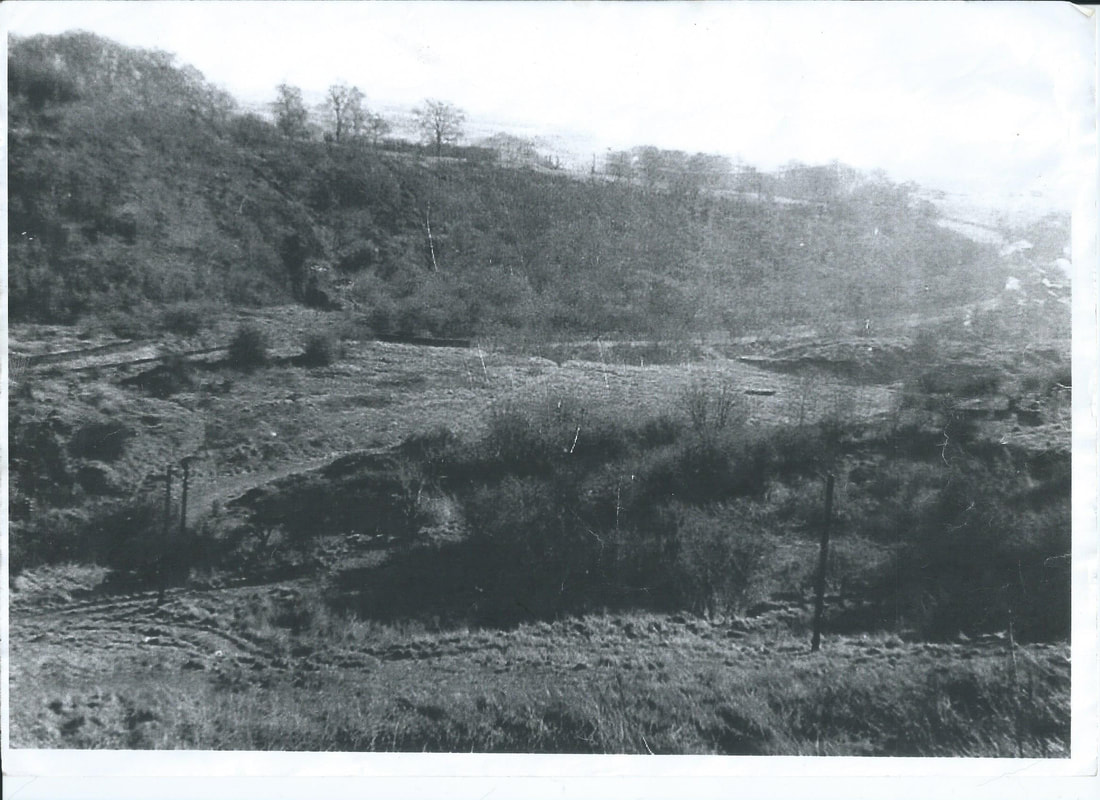
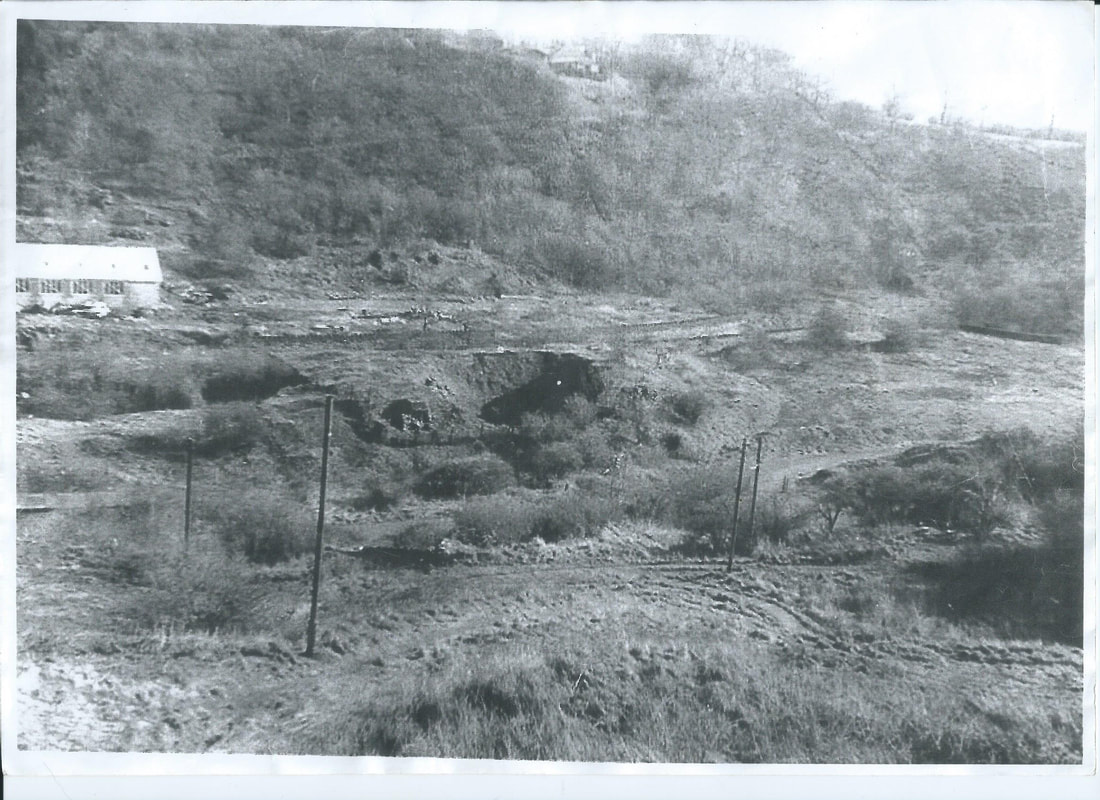
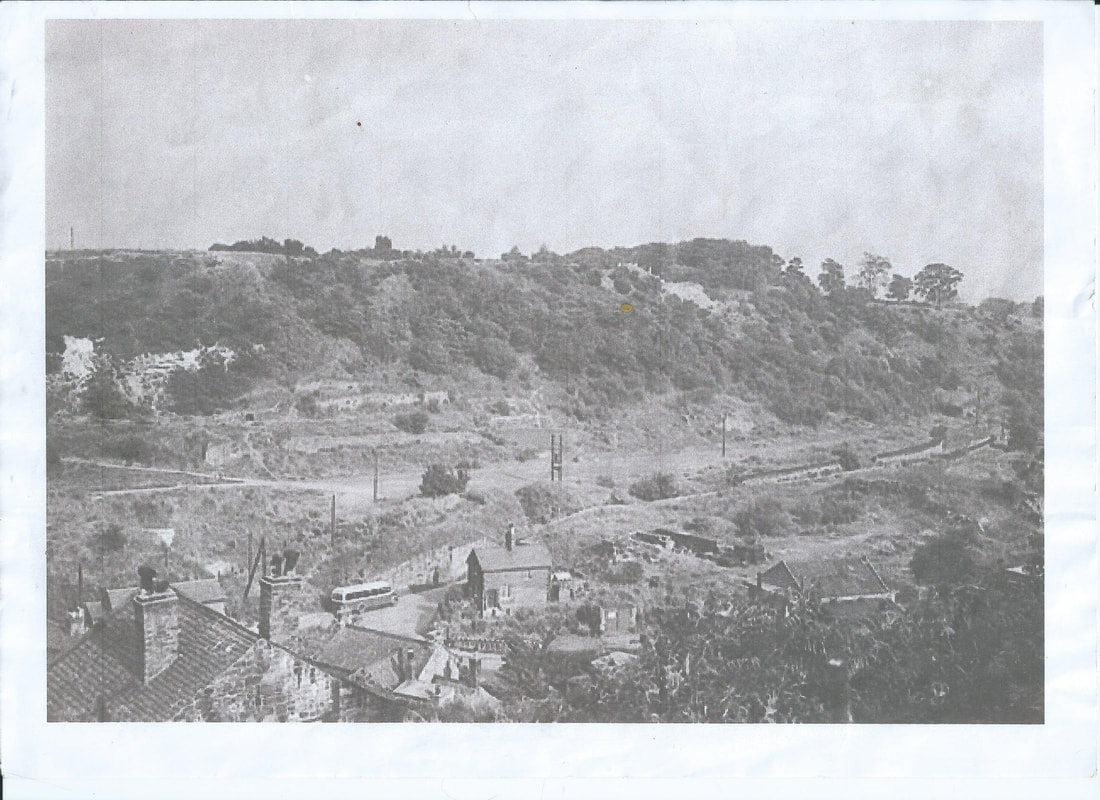
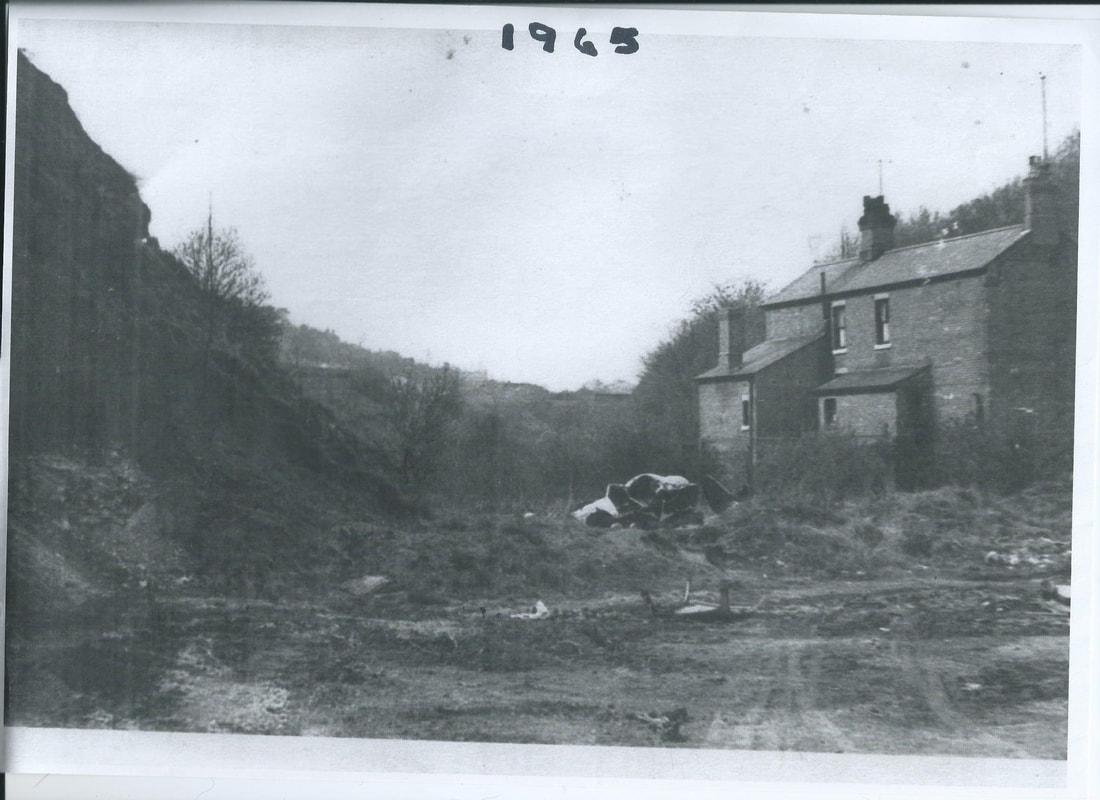
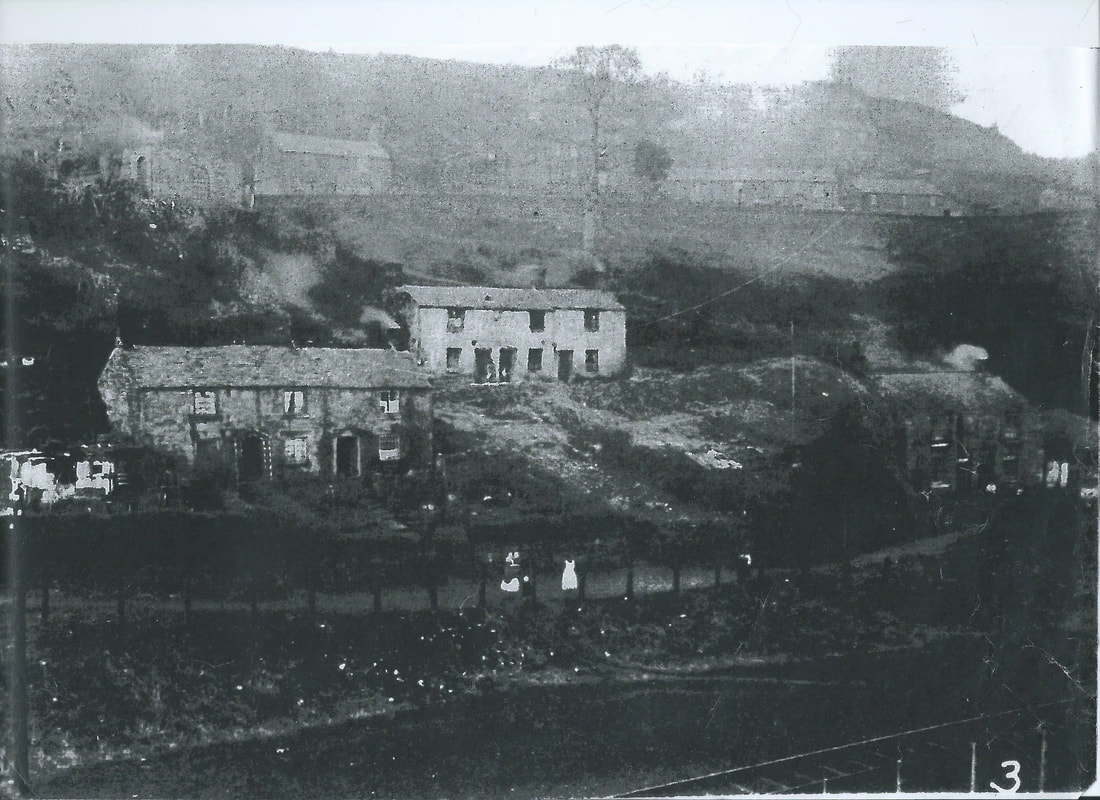
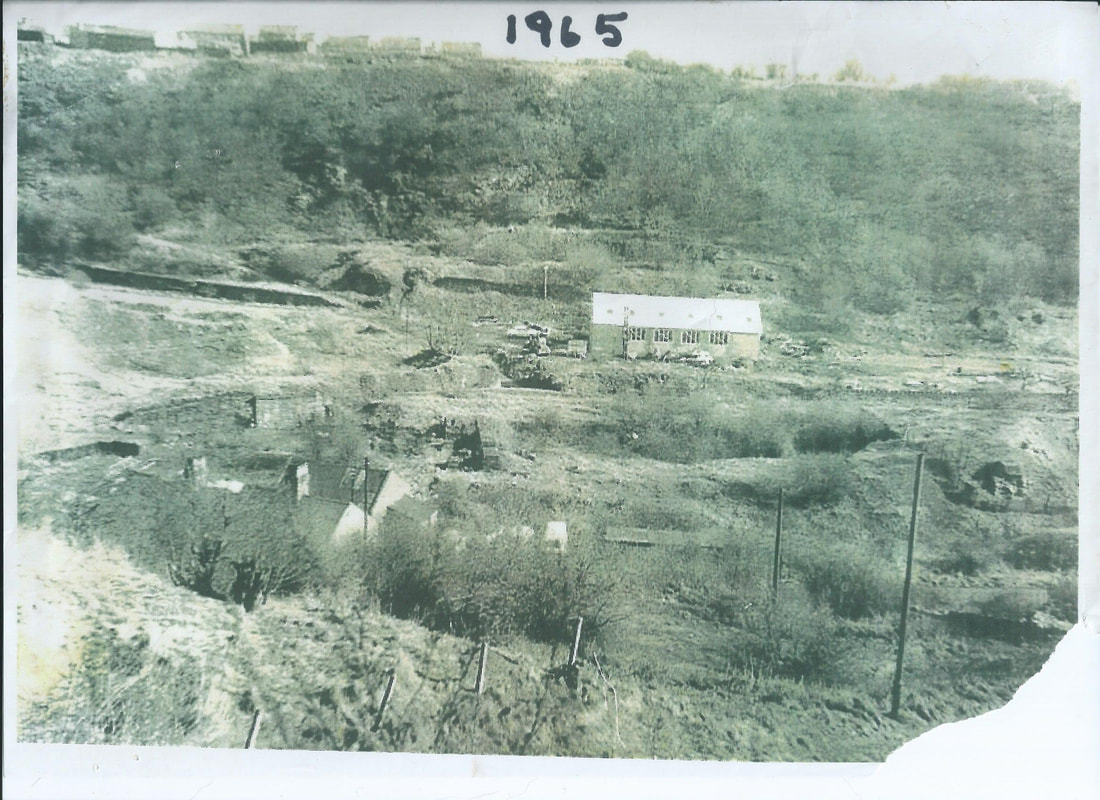
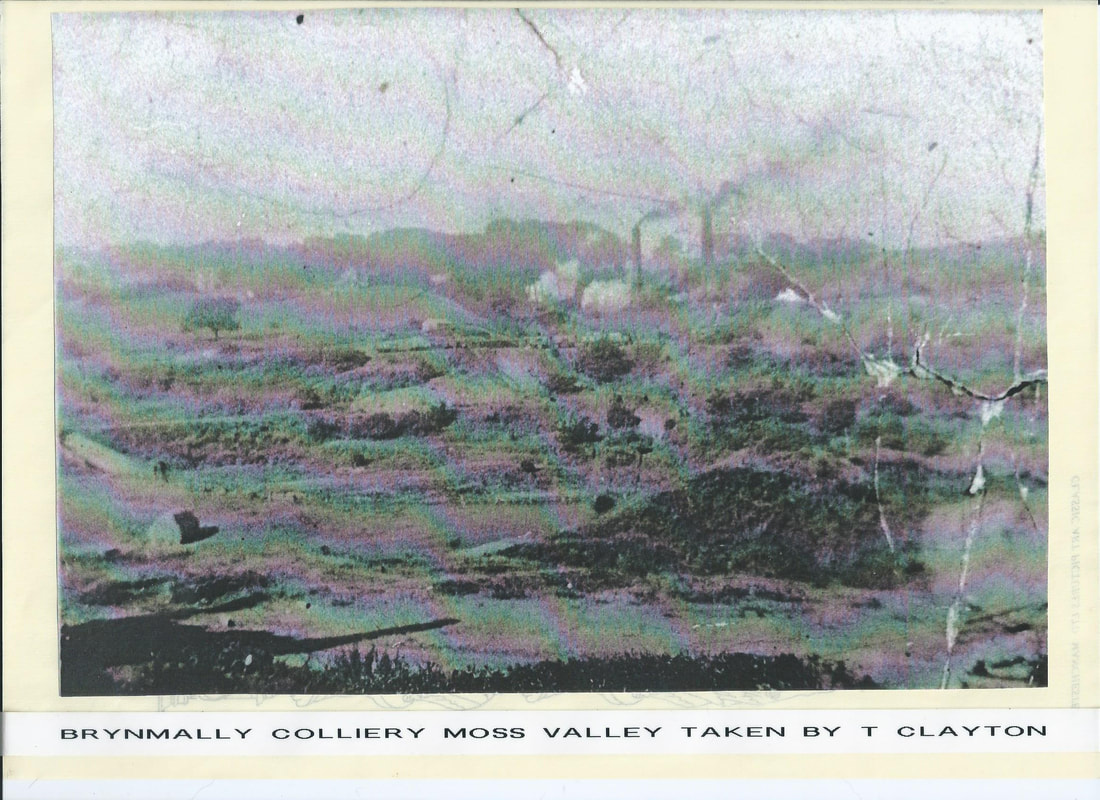
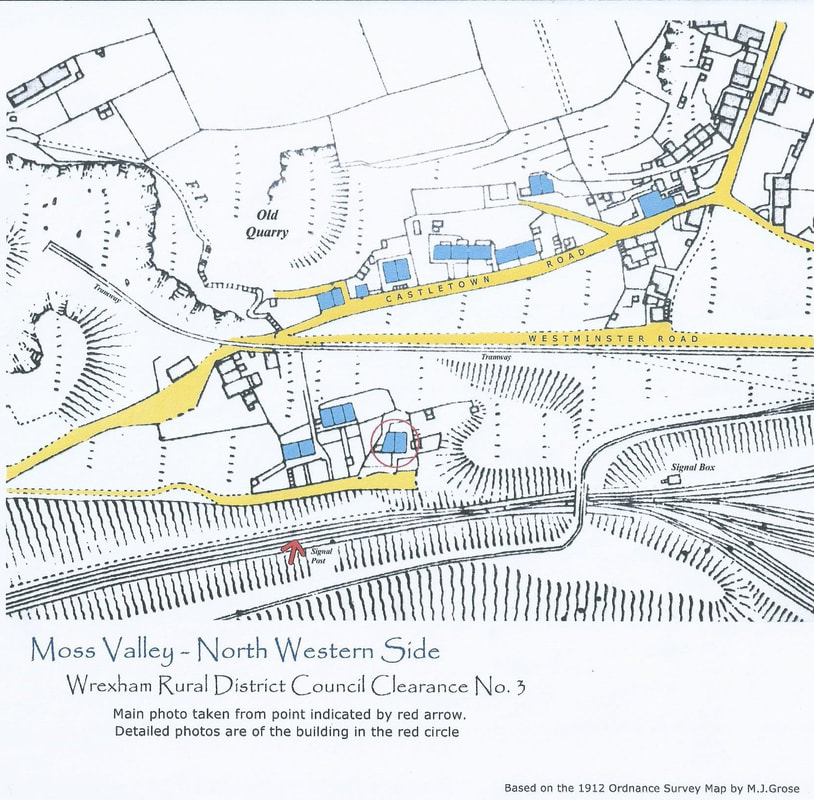
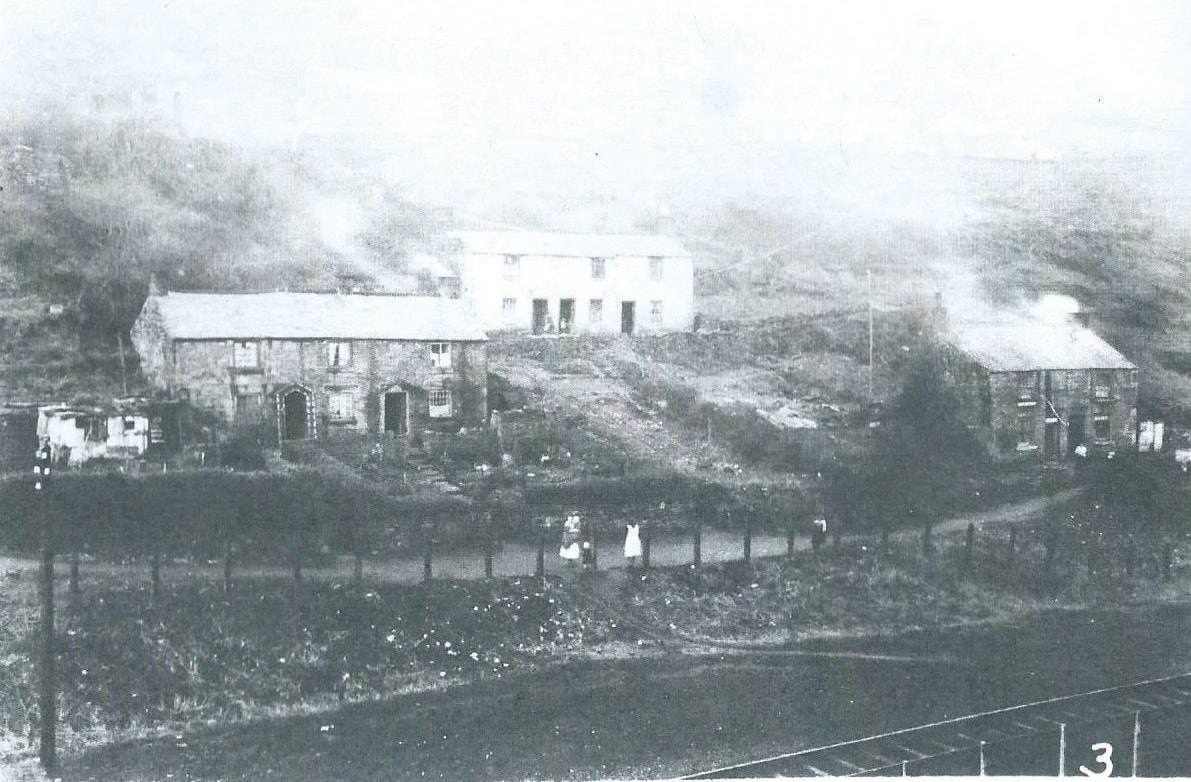
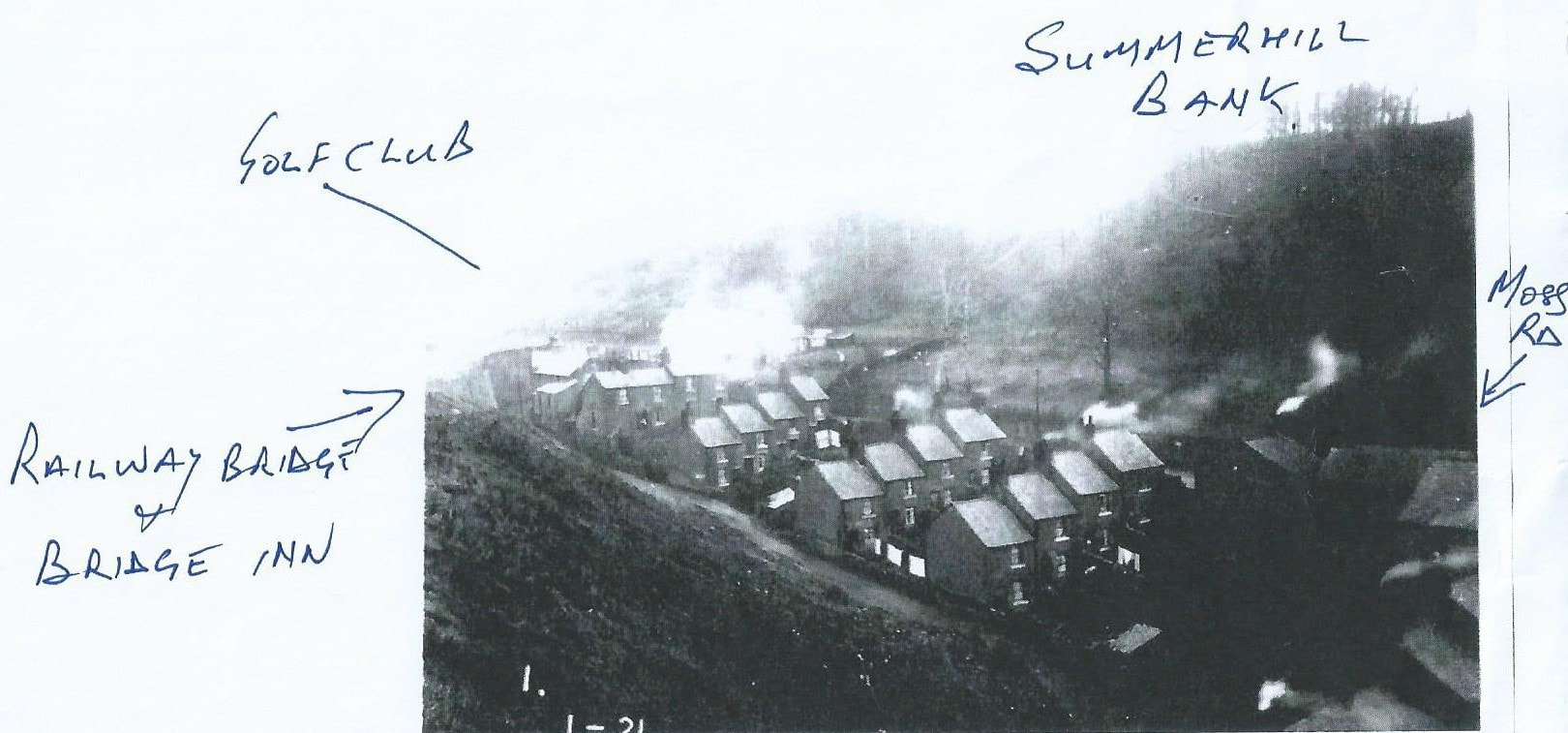
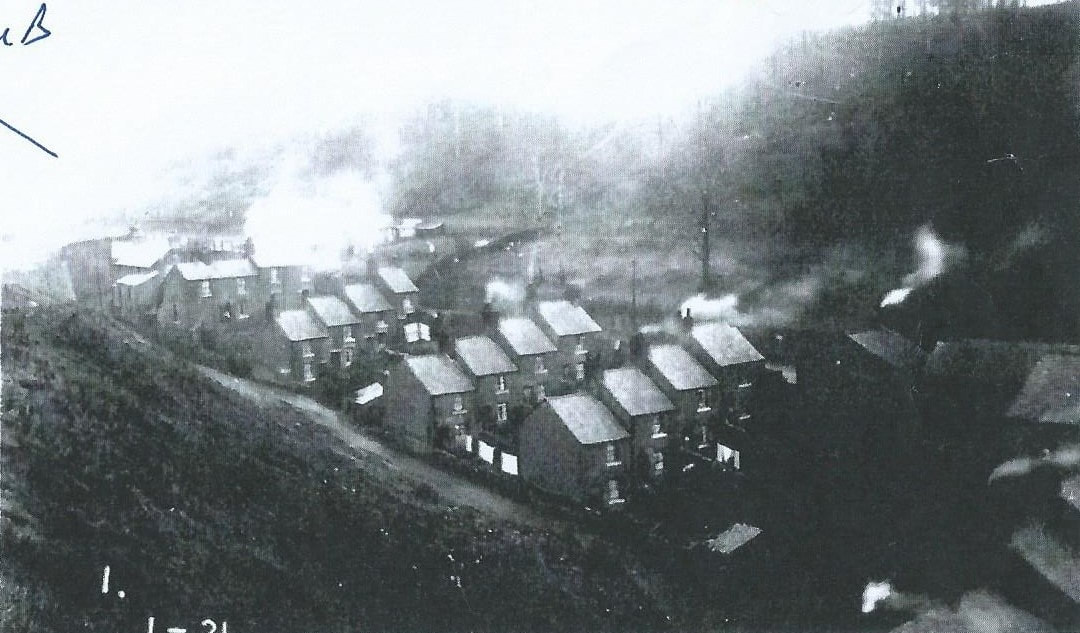
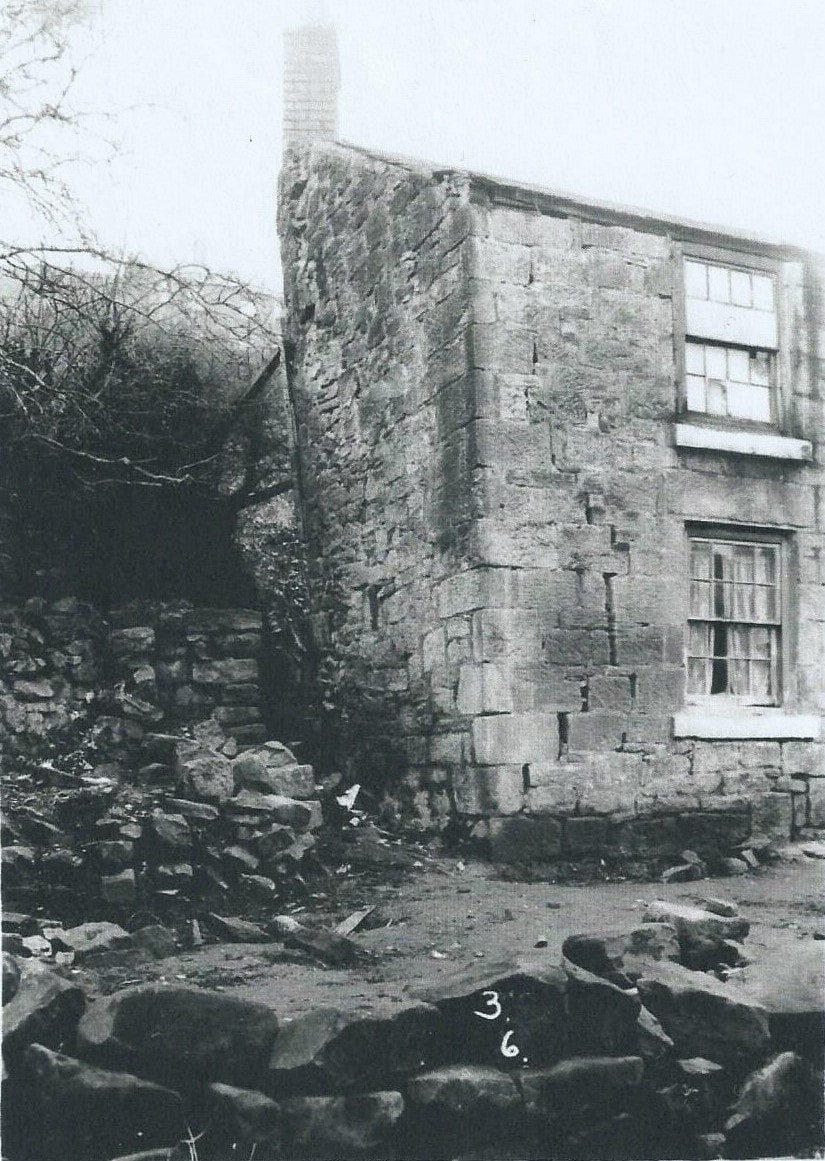
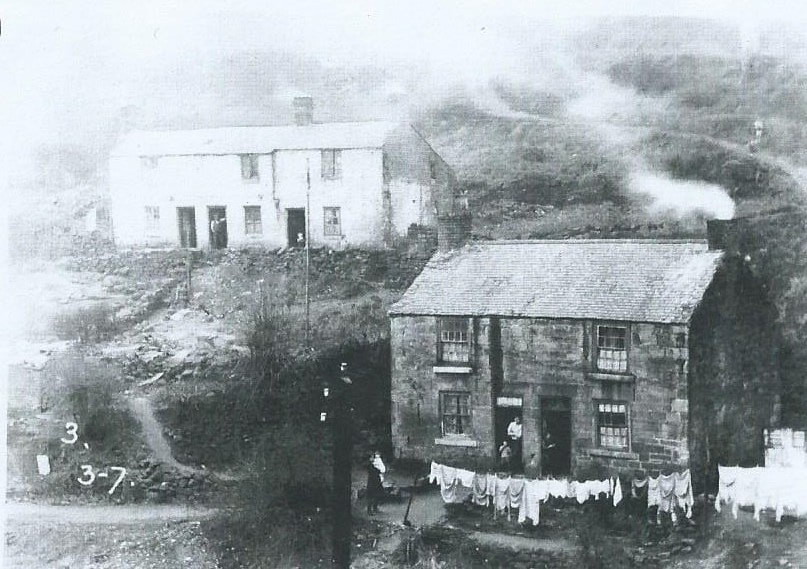
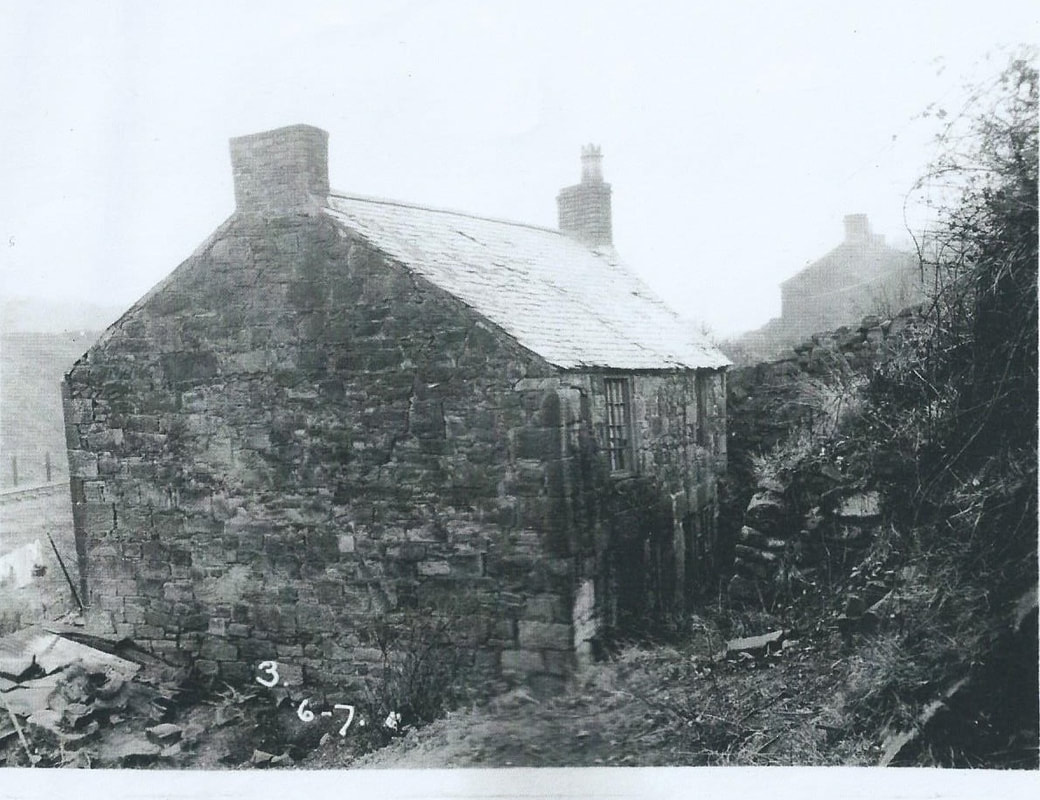
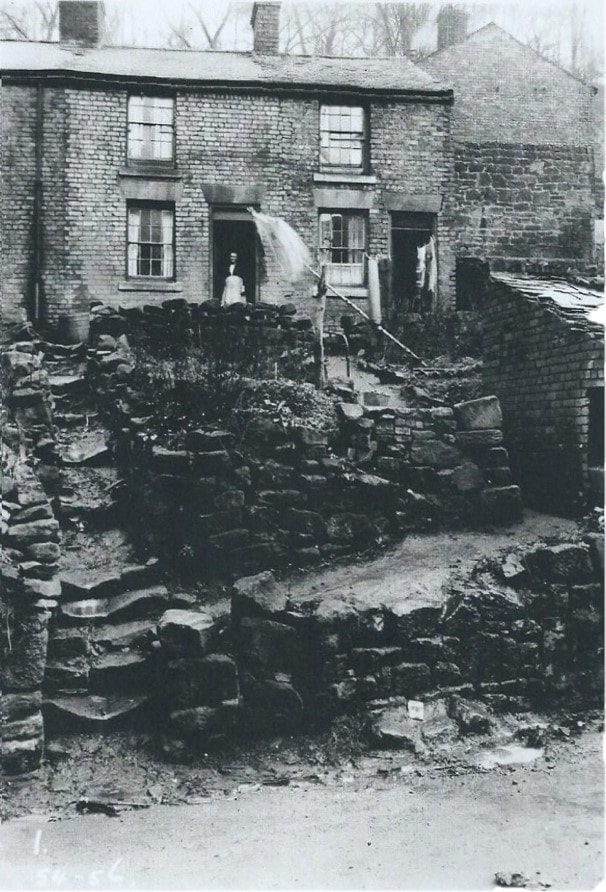
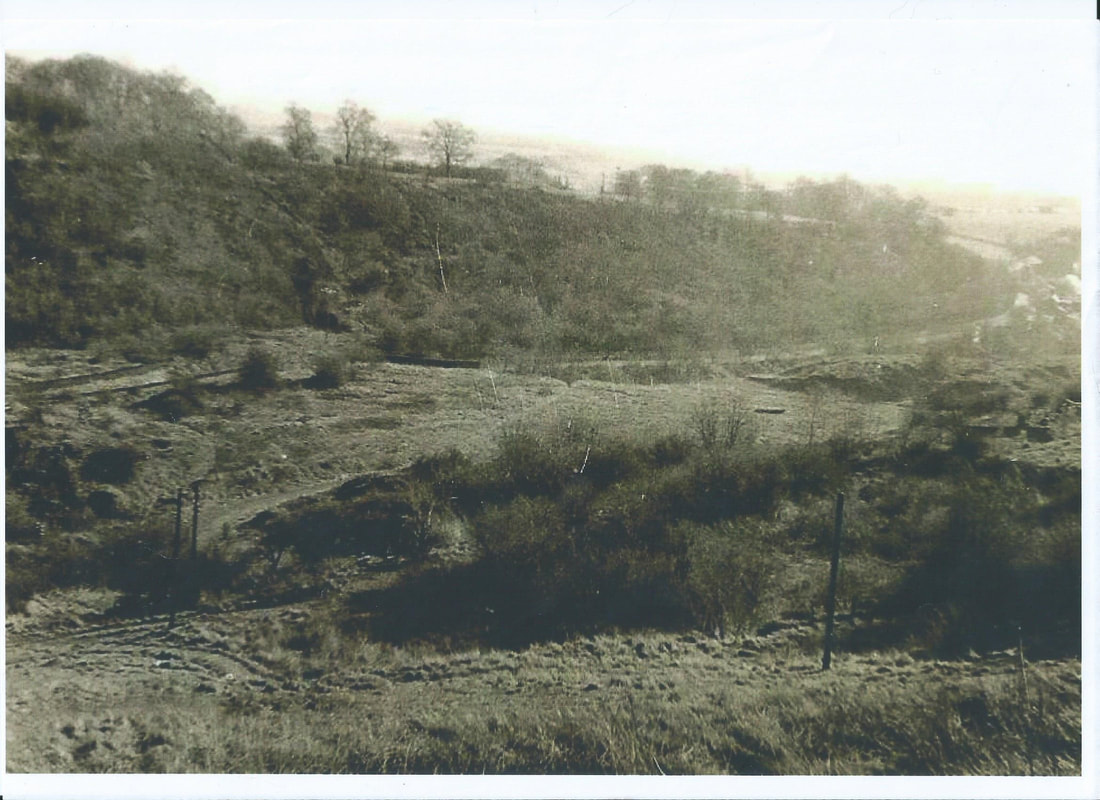
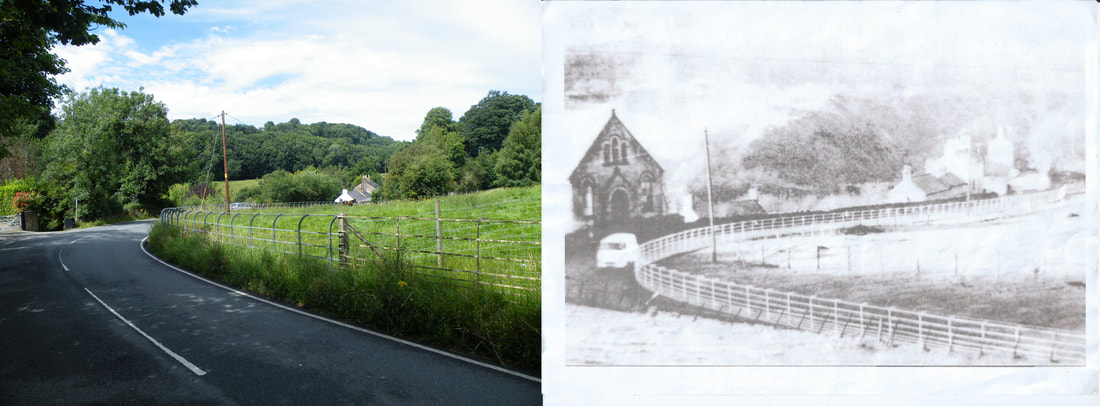
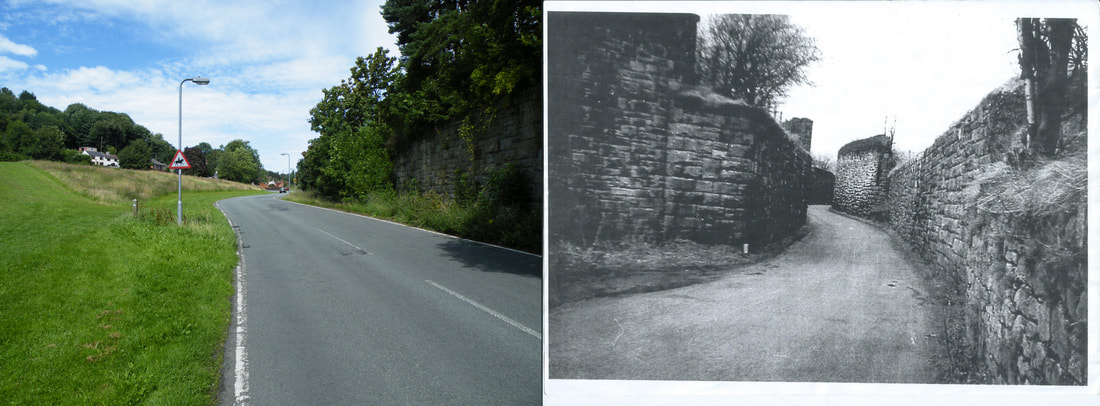
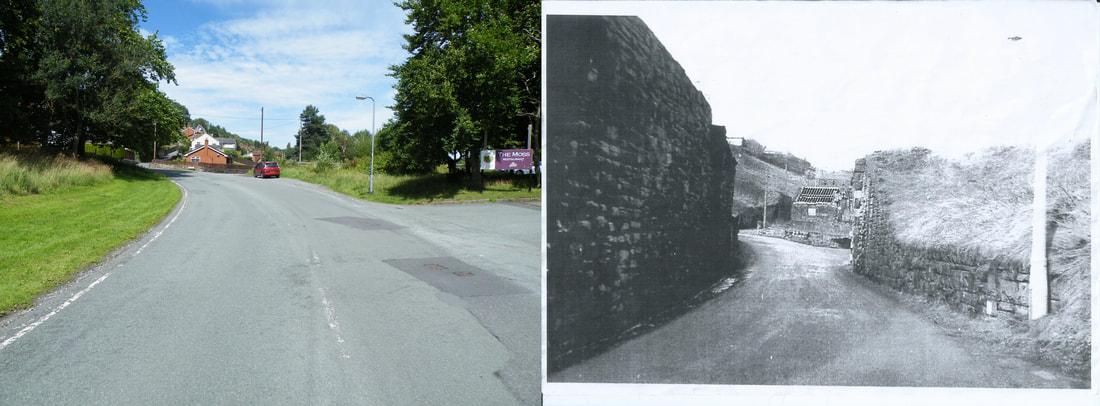
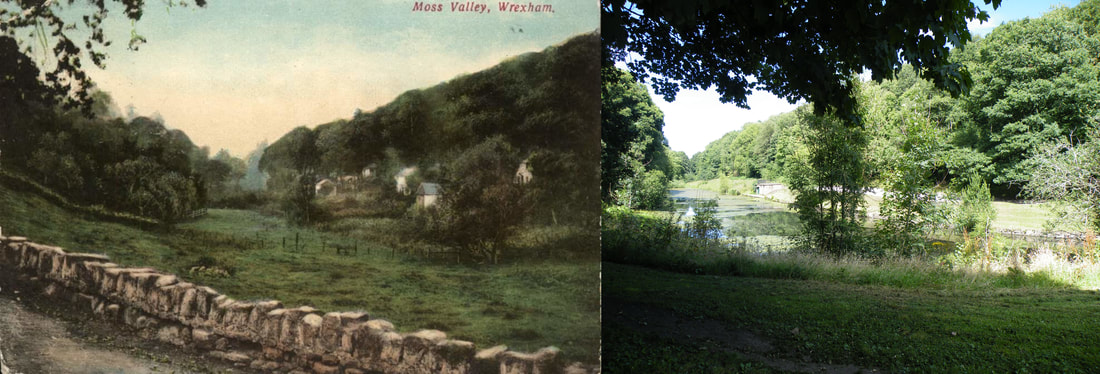
Much thanks to Jim Nuttall and The Broughton District History Group for the photos.
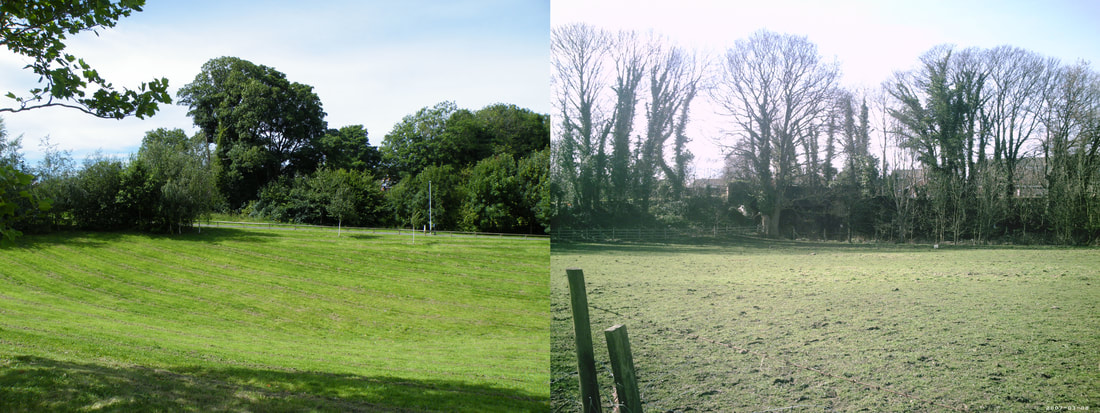
Then and now photos
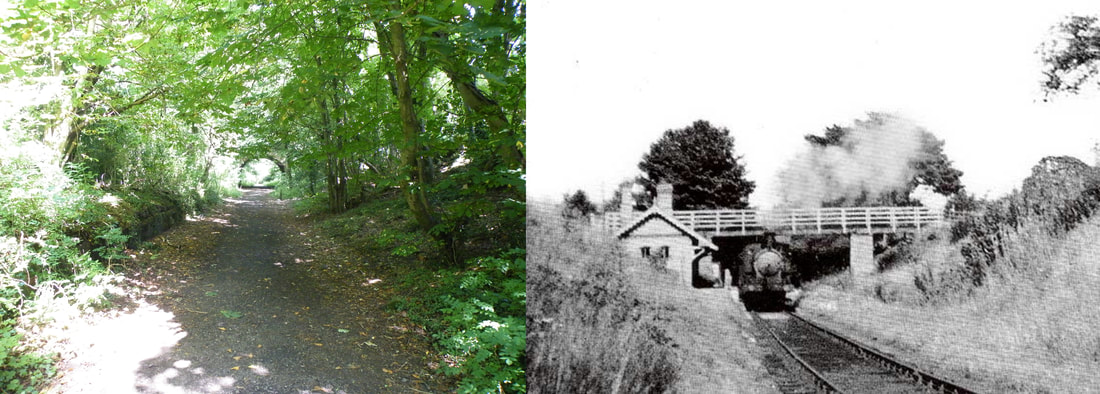
Moss Valley Photos